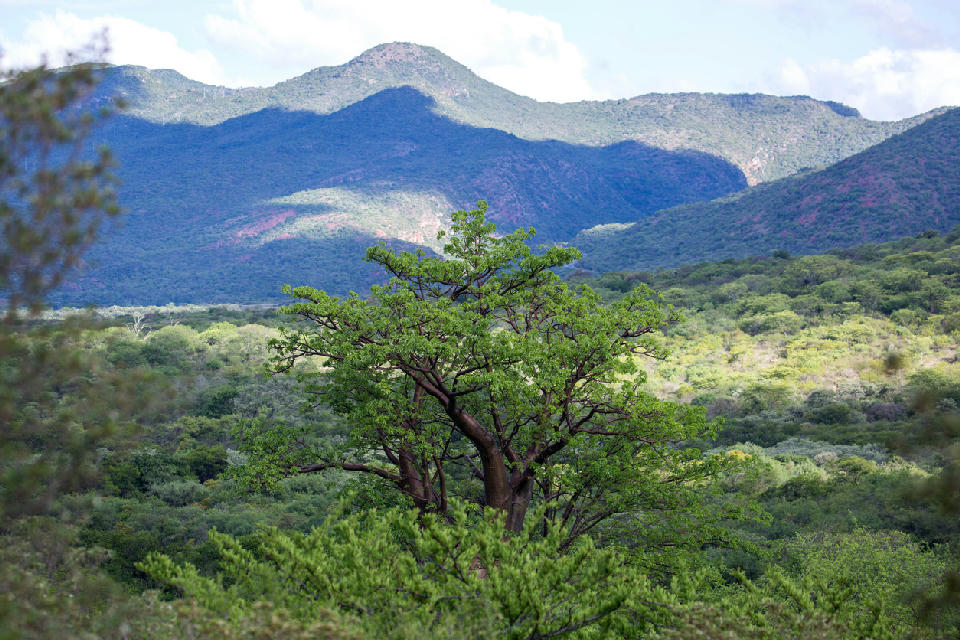
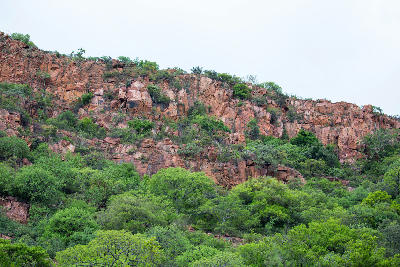
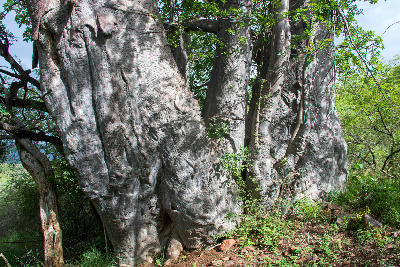
A baobab tree stands above the Soutpansberg Valley near Louis Trichardt, with layered mountain ridges rising beyond one of Limpopo's most biodiverse landscapes.
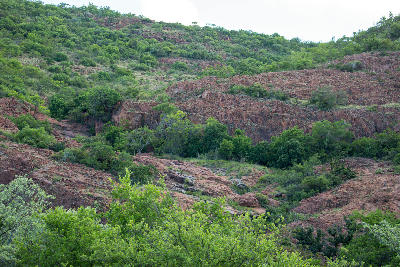
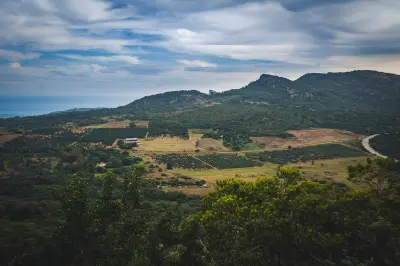
The Soutpansberg is one of South Africa's oldest and most biologically diverse mountain ranges, stretching across northern Limpopo in a dramatic series of ridges, valleys and escarpments. Rising above the surrounding bushveld, the range is renowned for its wilderness character, exceptional biodiversity and sweeping views across the far north of South Africa.
-23.00531, 29.78515
Gallery
Quick Facts
Access
Roadside / Step-out
5–15 min
Elevation Gain
50 m
Best Light
Low-angle light enhances the texture of the ridgelines, creates depth across the valleys and reveals the layered character of the mountain range.
Why This Light
Season
Year-Round Stable
Summer brings lush vegetation, dramatic cloud formations and vibrant green mountain slopes across the range. Winter offers clear skies, exceptional visibility and warm earth tones that emphasise the scale and structure of the surrounding landscape.
Crowds
Usually Quiet
Restrictions
Many of the strongest viewpoints are accessed via mountain roads, passes and private reserve routes throughout the range. Some areas are publicly accessible while others lie within private conservancies, lodges and nature reserves.