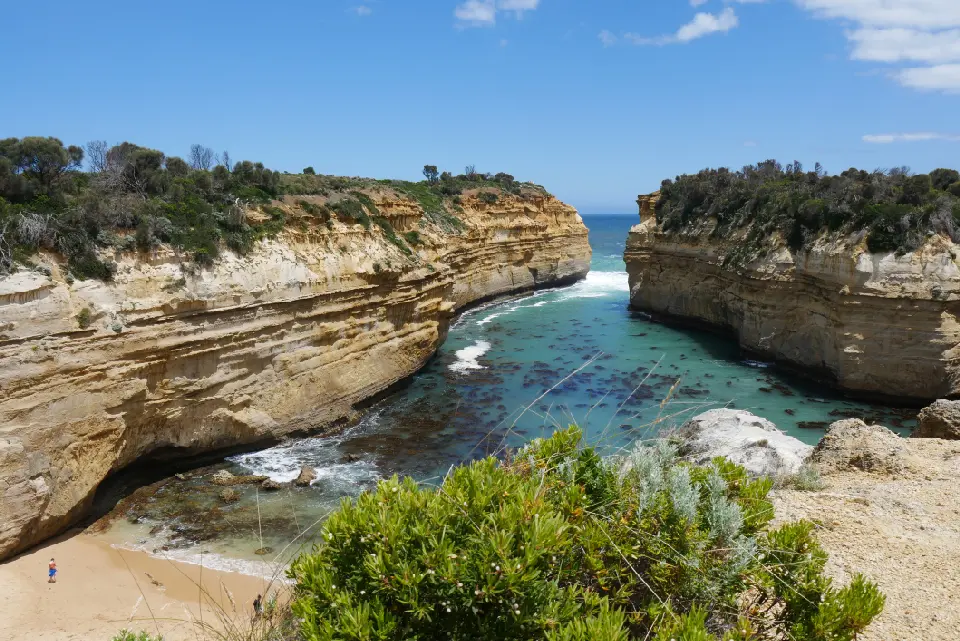
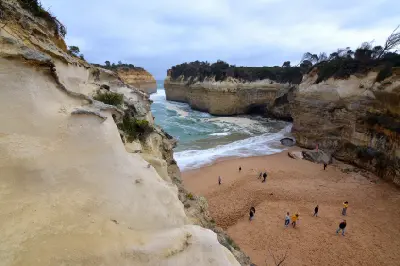
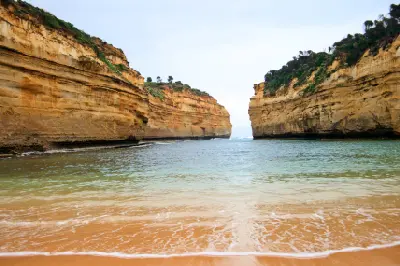
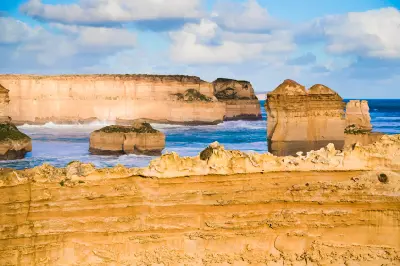
Loch Ard Gorge and its sheltered beach along Victoria’s Great Ocean Road.
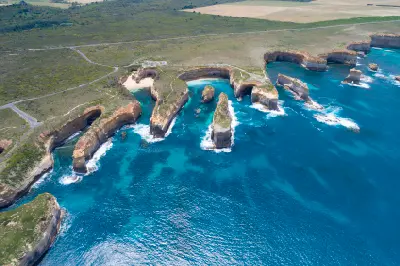
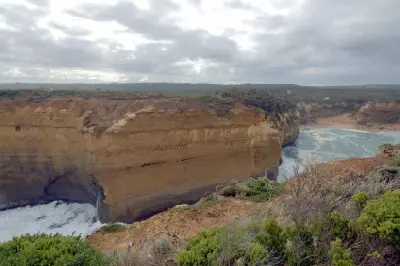
Loch Ard Gorge is a sheltered limestone inlet on Victoria's Shipwreck Coast, enclosed by towering cliffs carved by the Southern Ocean. Named after the Loch Ard shipwreck of 1878, the gorge combines a narrow sandy beach, turquoise water, caves and deeply eroded limestone walls. Its enclosed shape and dramatic coastal geology make it one of the most distinctive landscapes along the Great Ocean Road.
-38.64641, 143.07033
Gallery
Quick Facts
Access
Short Walk
5–15 min
Elevation Gain
30 m
Best Light
Soft light balances the bright limestone and shadowed gorge, while low-angle light adds warmth and texture to the surrounding cliffs.
Why This Light
Season
Seasonally Distinct
Summer brings longer daylight, brighter water and the highest visitor numbers. Winter produces stronger seas, dramatic skies and wetter cliffs, while autumn and spring often combine changing weather with quieter conditions.
Crowds
Often Busy
Restrictions
Loch Ard Gorge is reached from a large parking area via established cliff-top paths and viewpoints. Steps descend towards the beach when access is open, while additional trails explore the surrounding limestone coastline. Rough seas, erosion or maintenance can affect access to lower sections, and visitors should remain within designated areas.