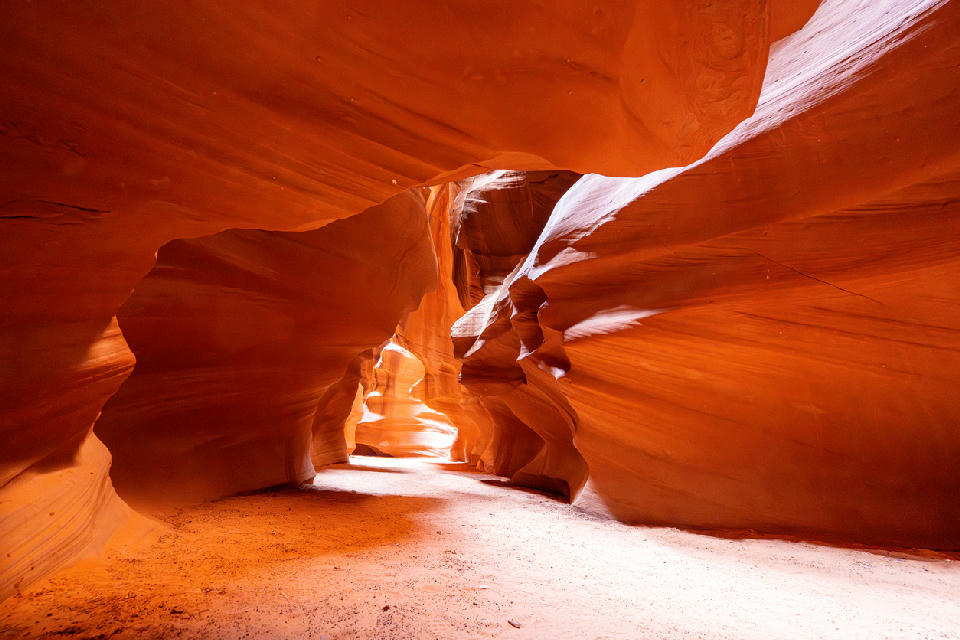
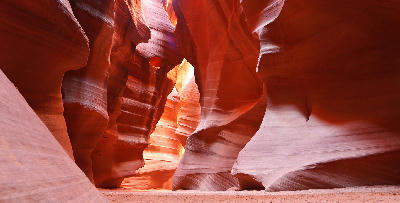
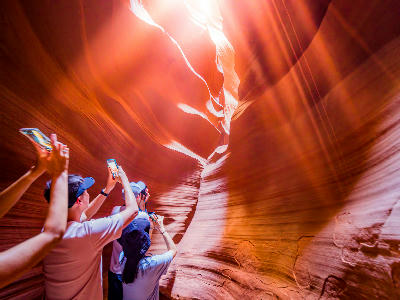
A narrow corridor through the canyon reveals smooth sandstone walls shaped by water flow, with reflected light from above defining surface colour and form.
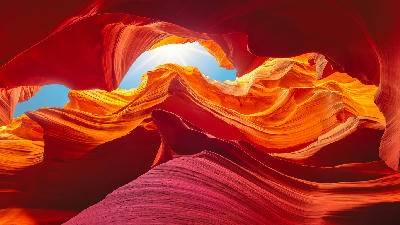
Antelope Canyon is a slot canyon system in northern Arizona defined by narrow sandstone corridors, smooth sculpted walls, and light entering from above through confined openings. Formed through flash flooding and erosion, the canyon is carved into sandstone where water flow has shaped continuous curves and vertical passageways. Its spatial identity is defined by confinement and light interaction within enclosed space. The terrain transitions through tight corridors, flowing rock surfaces, and vertical openings to the sky. Movement is linear and constrained, with minimal horizontal expansion and continuous enclosure formed by surrounding canyon walls. Seasonal conditions influence light penetration, colour intensity, and surface contrast. Direct sunlight enters at specific angles, creating shifting illumination patterns, while reflected light defines depth and tonal variation within the canyon.
Gallery
Key POIs in Antelope Canyon
Nearby Places
View all on mapPage & Colorado River
area district — 11.1 km
Arizona
Horseshoe Bend
water feature — 12.6 km
Arizona
Glen Canyon Dam Overlook
water feature — 13.2 km
Arizona
Wahweap Overlook
landmark — 18.3 km
Arizona
Alstrom Point
landmark — 25.0 km
Arizona
White Pocket
landmark — 47.9 km
Arizona
Reflection Canyon
water feature — 56.8 km
Arizona
Vermilion Cliffs & Paria Plateau
area district — 57.4 km
Arizona
Overview
Antelope Canyon is structured as a series of narrow passageways carved along natural fracture lines in the sandstone. The system is divided into sections such as Upper and Lower Antelope Canyon, each with variations in width, depth, and light behaviour. Unlike open desert or canyon rim landscapes, the environment operates entirely within enclosed space. Compositions are built from within the canyon, where walls, curves, and light form the complete frame. The visual structure is defined by flow and vertical enclosure. Curved surfaces guide the eye through the space, while light entering from above creates separation, depth, and emphasis across the rock forms.
Key photography subjects
- Narrow sandstone corridors enclosing the frame
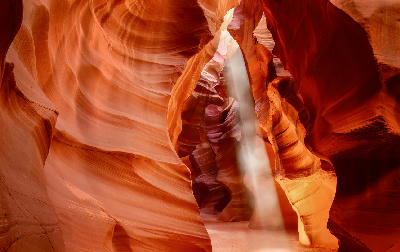
- Light beams entering through overhead openings
- Flowing rock walls forming curved compositions
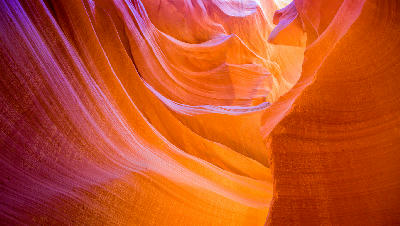
- Reflected light creating colour gradients across surfaces
- Vertical passages with minimal horizontal space
- Sand textures within confined canyon floors
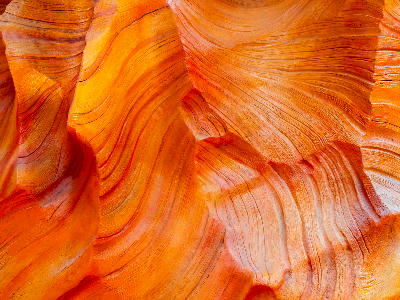
- Abstract patterns formed by erosion and light
Workshops in Antelope Canyon
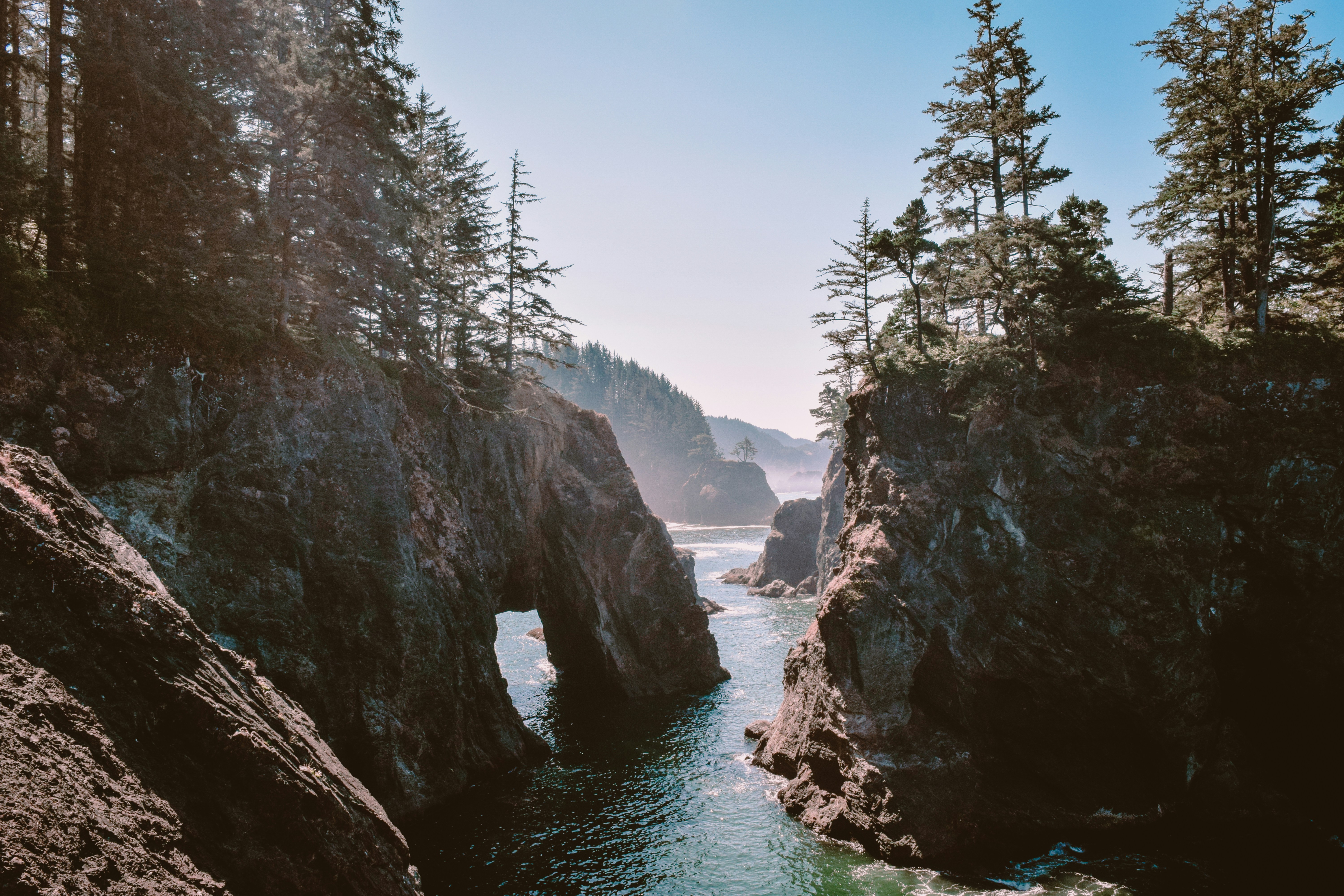
Oregon Coast Adventure Photography Workshop
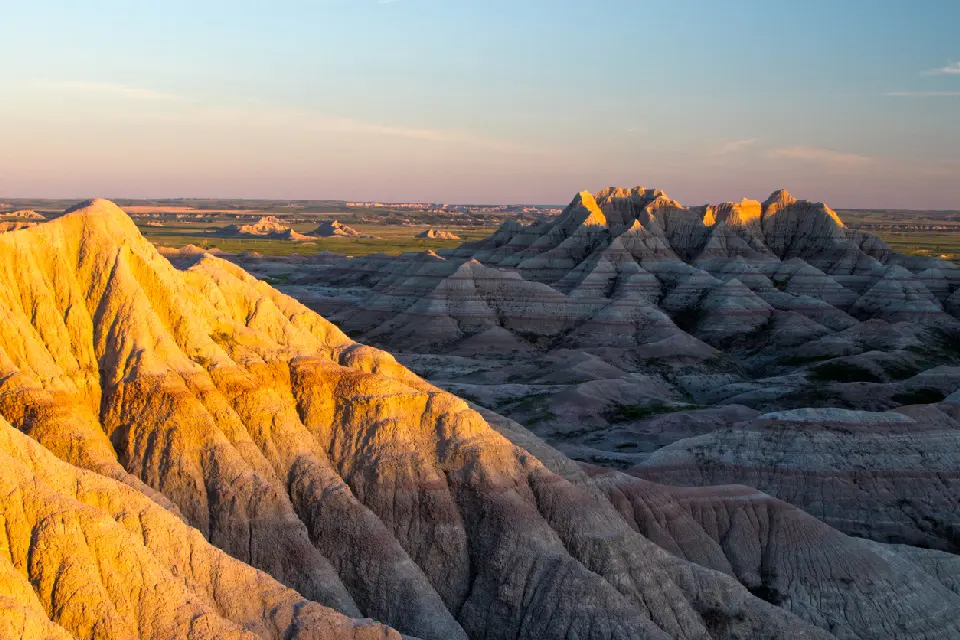
Autumn in Utah Badlands