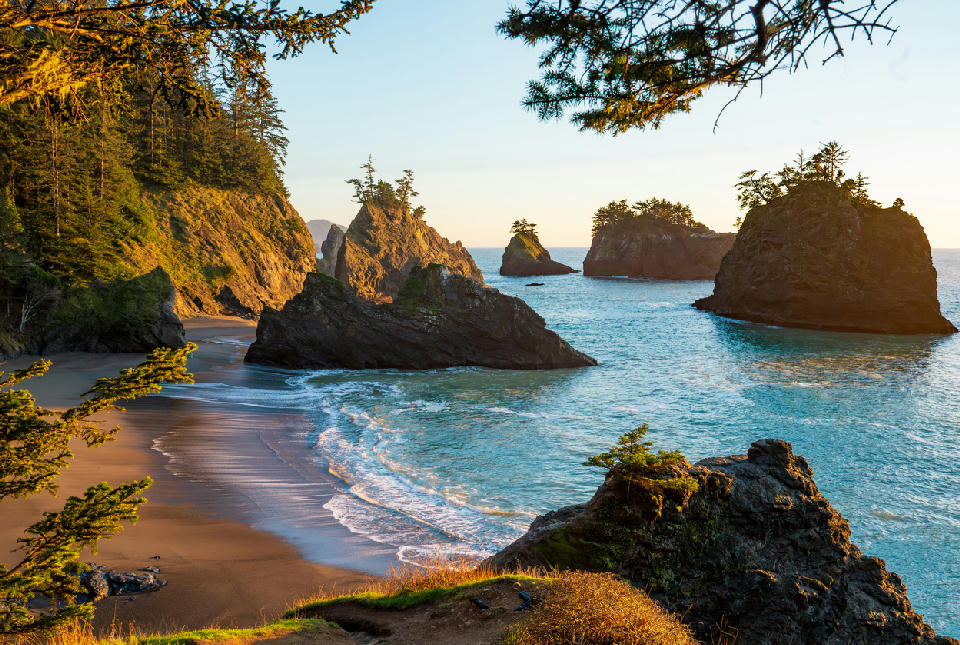
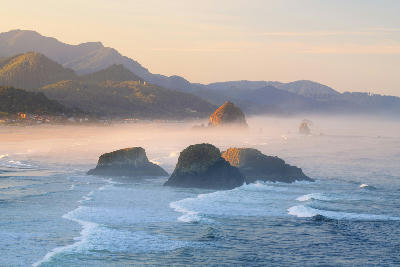
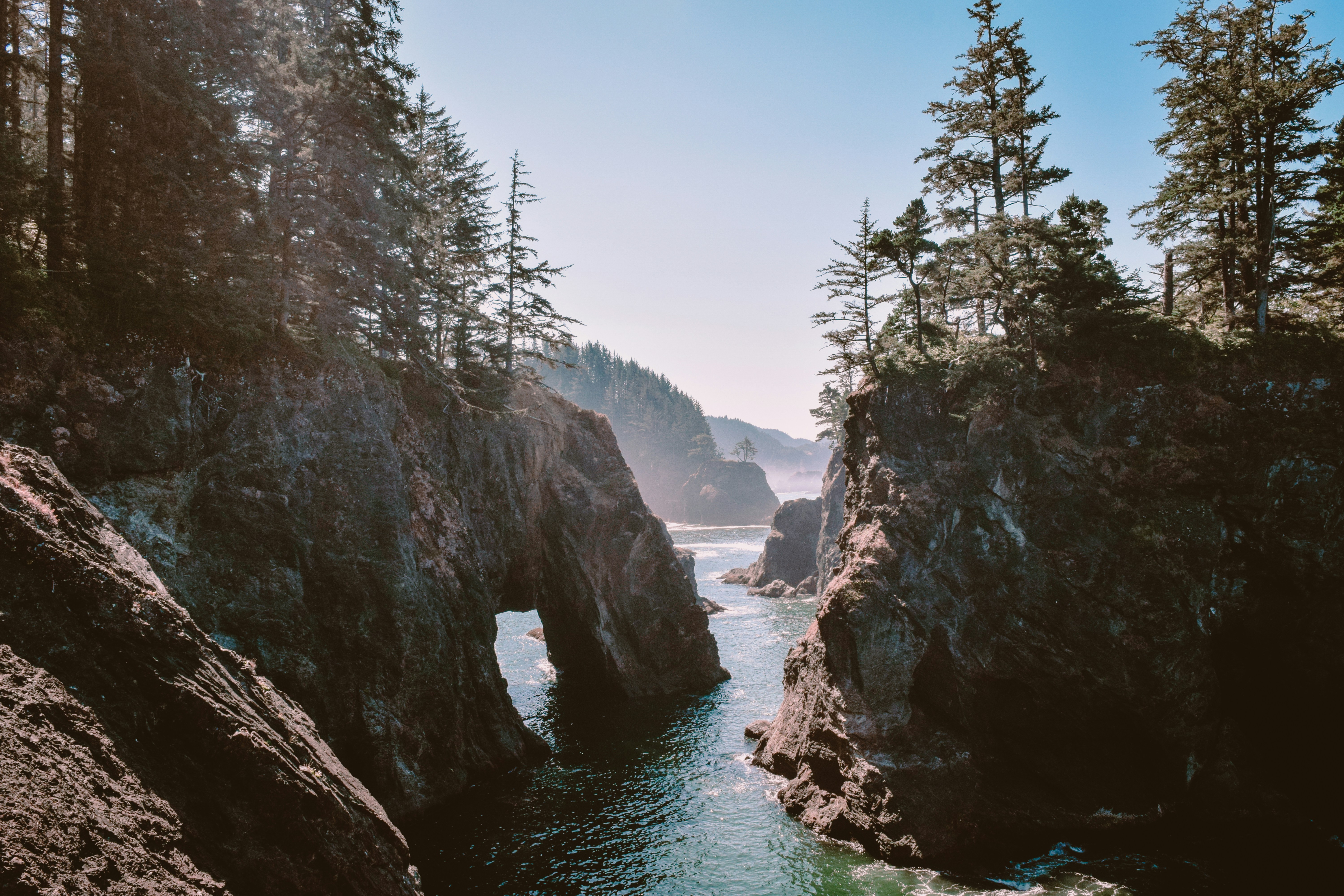
Sea stacks and sheltered cove along Samuel H. Boardman State Scenic Corridor, Oregon Coast.
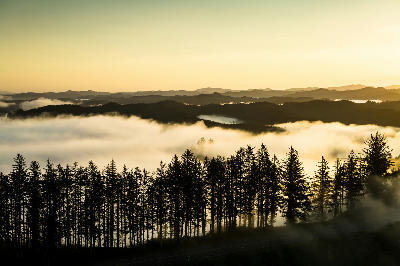
The Oregon Coast is a coastal landscape in the Pacific Northwest defined by rocky shorelines, sea stacks, sandy beaches, and exposed headlands facing the Pacific Ocean. The coastline is shaped by marine erosion, where resistant rock formations remain as isolated structures offshore while softer material forms beaches and coastal plains. Its spatial identity is defined by edge interaction between land and ocean. The terrain transitions between wide beaches, rocky outcrops, cliff systems, and coastal forest margins. Elevation changes are moderate, with terrain rising gradually inland while remaining open and exposed along the shoreline. Seasonal conditions influence wave patterns, atmospheric clarity, and surface contrast. Fog, cloud cover, and ocean light play a defining role, softening distant features while emphasising foreground texture and movement.
Key POIs in Oregon Coast
Bandon Beach
beach — 106.4 km
Cannon Beach
beach — 209.6 km
Cape Blanco Lighthouse
landmark — 137.1 km
Cape Sebastian
landmark — 188.3 km
Coquille Lighthouse
landmark — 103.2 km
Harris Beach State Park
landmark — 216.4 km
Hug Point
beach — 203.7 km
Lone Ranch Beach
beach — 213.1 km
Natural Bridges
beach — 207.0 km
Neskowin Ghost Forest
beach — 122.2 km
Secret Beach
beach — 202.8 km
Shore Acres State Park
beach — 81.4 km
Thor’s Well
water feature — 32.3 km
Yaquina Head Lighthouse
landmark — 75.5 km
Explore Areas in Oregon Coast


Areas in Oregon Coast
Gallery
Overview
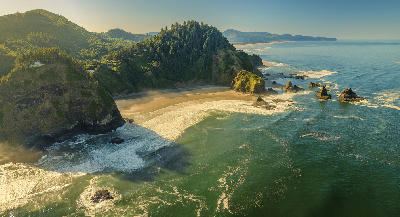
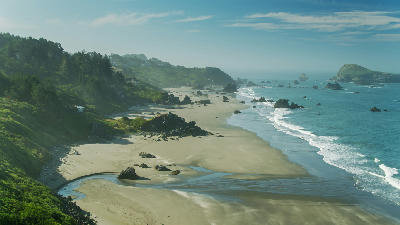
The Oregon Coast is structured as a continuous shoreline punctuated by headlands and offshore rock formations. Sea stacks are distributed along the coast, creating repeating visual elements that extend from the shoreline into the ocean. Unlike enclosed or mountainous systems, this landscape operates along a linear coastal edge. Compositions are built parallel to the shoreline, where foreground beach elements lead toward midground rock formations and open ocean beyond. The visual structure is defined by repetition and spacing. Sea stacks, headlands, and shoreline curves create compositions based on rhythm, alignment, and interaction between land and water.
Key photography subjects
- Sea stacks positioned offshore against open ocean
- Curved beaches leading toward coastal headlands
- Rock formations emerging from water along shoreline
- Cliffs and headlands projecting into the ocean
- Foreground sand patterns leading to midground subjects
- Wave movement interacting with coastal formations
- Fog and low cloud shaping depth across the coastline
Workshops in Oregon Coast
Oregon Coast Adventure Photography Workshop
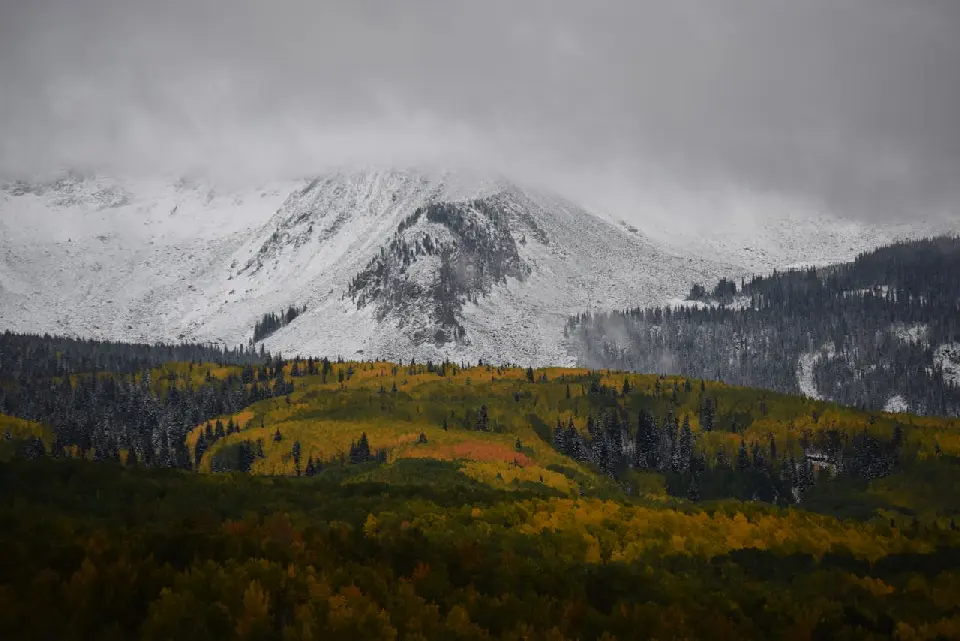
Colorado Fall Color Photography Art Retreat

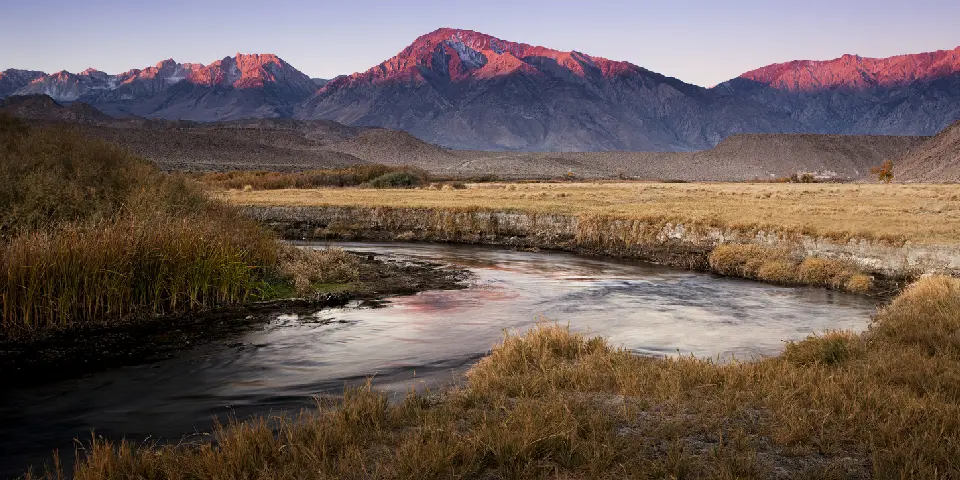
Autumn in Eastern Sierra

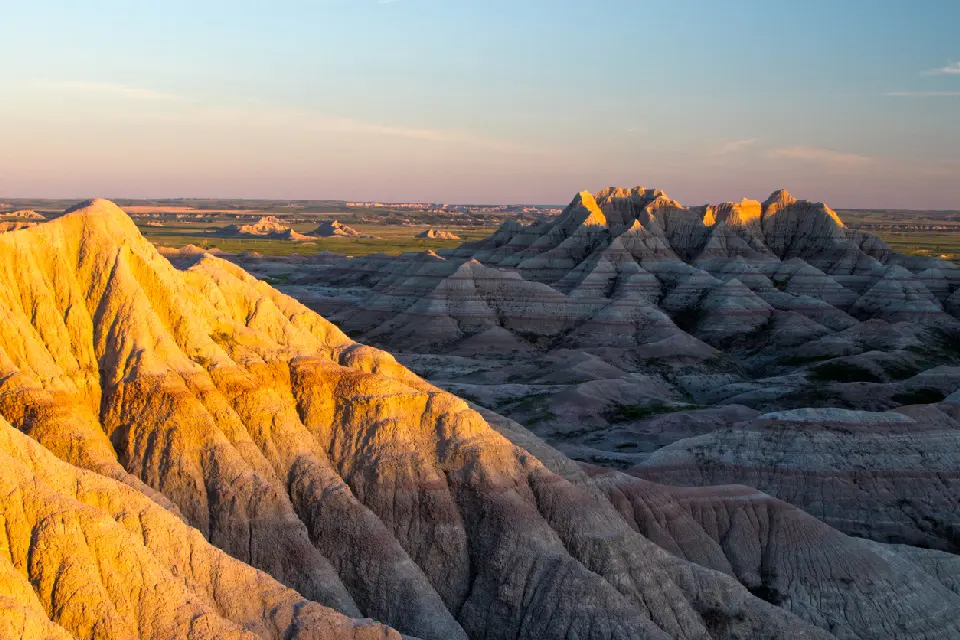
Autumn in Utah Badlands