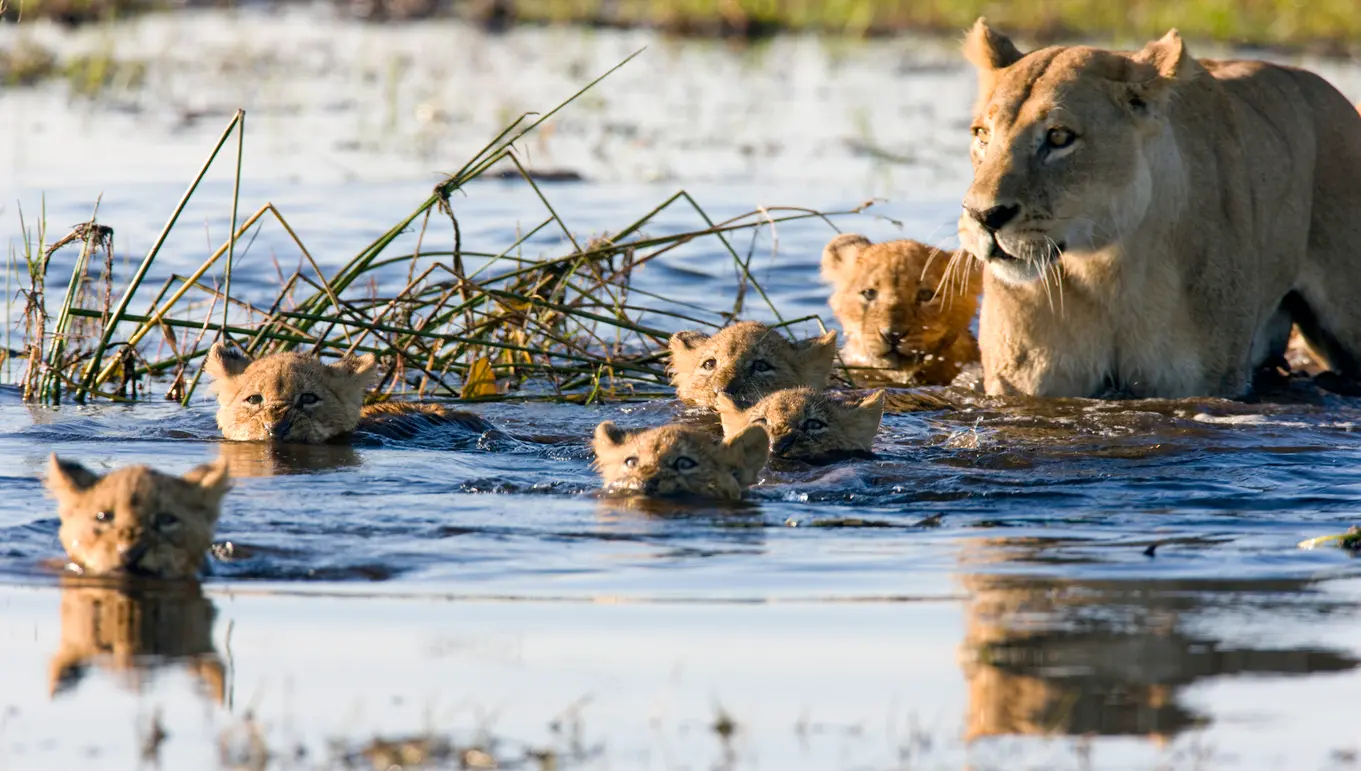
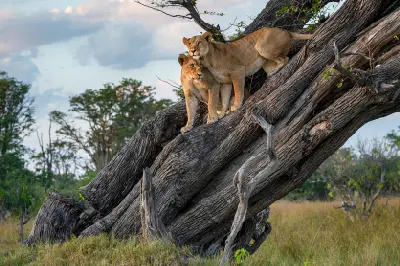
Lioness leading her cubs through floodwaters on Chief's Island in the Okavango Delta, Botswana.
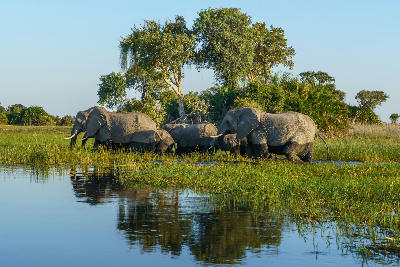
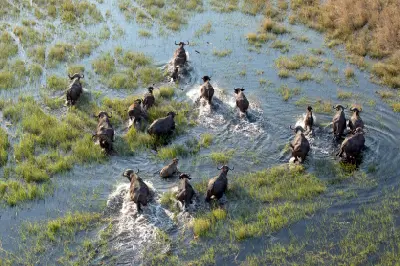
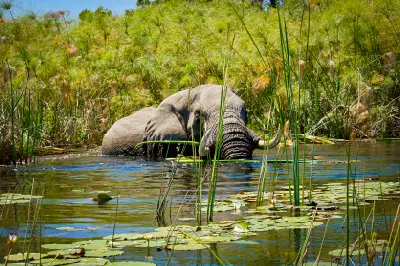
Chief's Island is the largest landmass within the Okavango Delta and forms the ecological heart of Botswana's premier wildlife destination. Surrounded by permanent waterways and seasonal floodplains, it supports some of the highest concentrations of wildlife in the delta.
-19.38580, 23.08993
Gallery
Quick Facts
Access
Visitor Access
0–5 min
Elevation Gain
5 m
Best Light
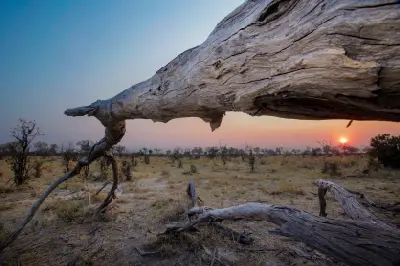
Low-angle light enhances the floodplains, waterways and wildlife while calm early morning conditions often produce reflections across the delta's channels and l
Why This Light
Season
Seasonally Distinct
Annual floodwaters transform the surrounding floodplains into an intricate network of channels, lagoons and islands, creating continually changing photographic opportunities throughout the year. Drier months concentrate wildlife around permanent water, while the flood season produces spectacular wetland scenery, reflections and abundant birdlife.
Crowds
Usually Quiet
Restrictions
Chief's Island is accessible almost exclusively through private safari concessions and guided lodge activities, with photography conducted from game-drive vehicles, boats and designated camp areas.