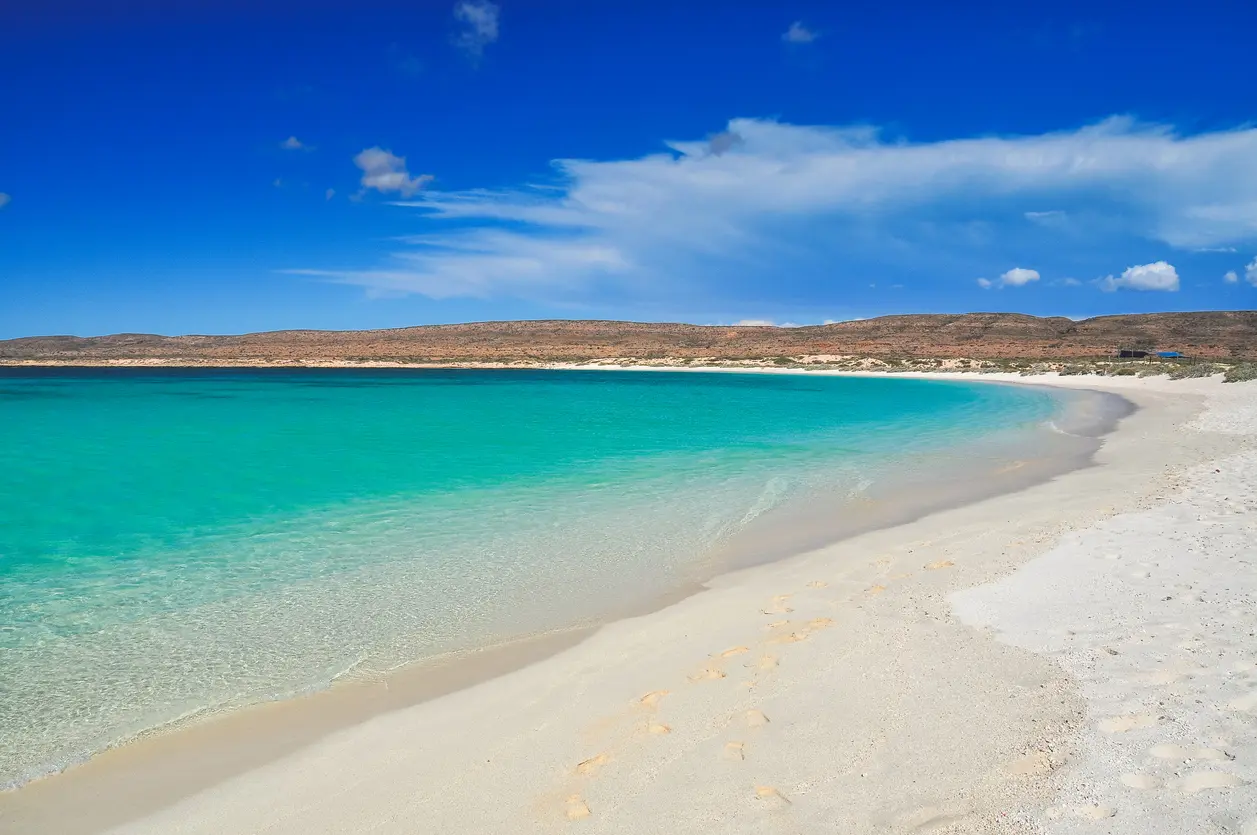
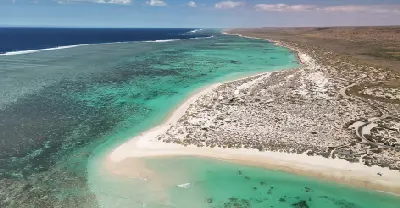
Turquoise Bay at Ningaloo Reef, Western Australia.
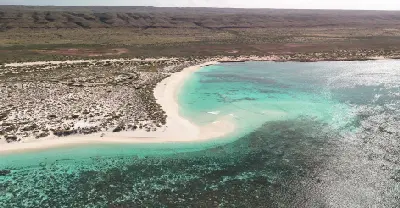
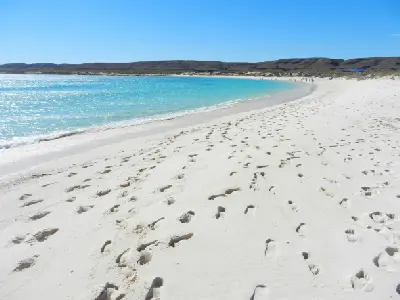
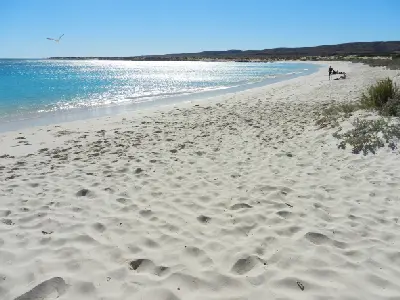
Turquoise Bay is a white-sand beach on the western side of Cape Range, where Ningaloo Reef lies close to shore. Clear shallow water, coral reef and a well-known drift-snorkelling area make the bay one of the most accessible places to experience Ningaloo from the beach. Pale sand, turquoise water and visible reef structure provide opportunities for coastal, underwater and aerial photography.
-22.09785, 113.88875
Gallery
Quick Facts
Access
Short Walk
0–5 min
Elevation Gain
0 m
Best Light
High sun reveals turquoise shallows and submerged reef structure, while calmer morning conditions can produce cleaner water surfaces and reflections.
Why This Light
Season
Seasonally Distinct
Summer brings warmer water, stronger heat and occasional tropical weather, with bright turquoise colour across the shallows in clear conditions. Winter brings milder conditions, generally drier landscapes and seasonal marine life moving through the wider Ningaloo system.
Crowds
Often Busy
Restrictions
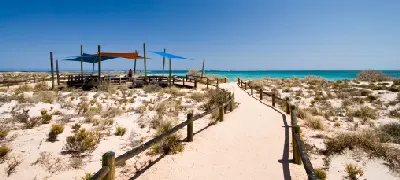
Turquoise Bay is reached by sealed road through Cape Range National Park, followed by a short walk from the parking areas to the beach. A park entry fee applies. Currents in the southern drift-snorkelling area can be strong and carry swimmers toward the bay's northern point, so visitors should follow current park safety guidance and assess conditions before entering the water.