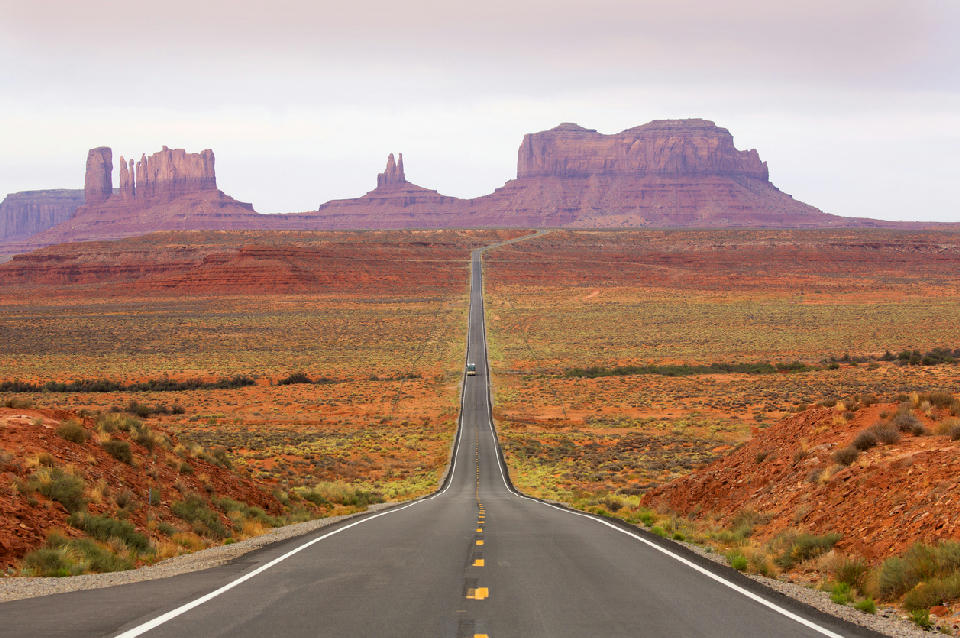
A long, straight highway cuts across the desert floor toward the sandstone buttes of Monument Valley in the Southwest United States.
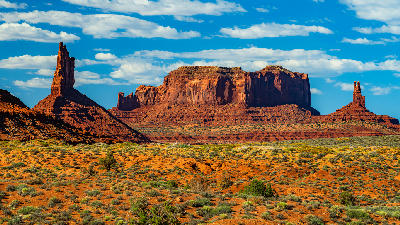
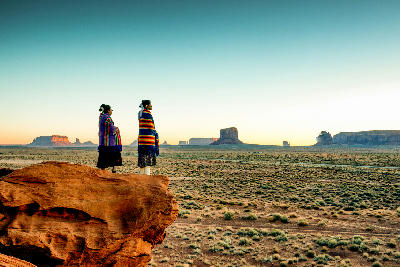
Monument Valley is a desert landscape on the Arizona–Utah border defined by isolated sandstone buttes, mesas, and freestanding rock formations rising from open desert plains. The terrain is shaped by long-term erosion, where softer surrounding material has been removed, leaving large vertical structures standing independently across a flat landscape. Its spatial identity is defined by isolation and separation between dominant forms. The terrain transitions between wide desert surfaces, low undulating plains, and vertical rock formations. Elevation change across the ground is minimal, with height expressed through the rise of buttes and mesas rather than through terrain variation. Seasonal conditions influence visibility, atmospheric clarity, and surface contrast. Low-angle light defines the geometry of formations, creating strong separation between illuminated faces and shadowed sides.
Gallery
Key POIs in Monument Valley
Nearby Places
View all on mapLake Powell
water feature — 69.7 km
Arizona
Reflection Canyon
water feature — 75.0 km
Arizona
Canyon X
landmark — 110.7 km
Arizona
Alstrom Point
landmark — 111.4 km
Arizona
Peek-a-Boo & Spooky Slot Canyons
landmark — 112.2 km
Utah National Parks
Upper Antelope Canyon
landmark — 112.9 km
Arizona
Antelope Canyon
area district — 113.9 km
Arizona
Lower Antelope Canyon
landmark — 115.7 km
Arizona
Overview
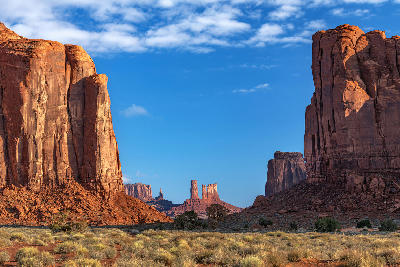
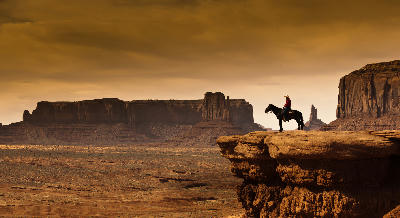
Monument Valley is structured as a dispersed field of large rock formations positioned across open terrain. Buttes and mesas are separated by significant horizontal distance, allowing each structure to function as an individual subject within the landscape. Unlike canyon or mountain systems, there is no enclosure and minimal layering. The landscape operates through spacing, where formations are isolated against open sky and distant horizon lines. The visual structure is defined by subject isolation and scale. Compositions are built around a single dominant form, supported by simple foregrounds and distant secondary elements.
Key photography subjects
- Isolated buttes rising from open desert plains
- Freestanding formations against clear horizon lines
- Flat foregrounds leading to singular vertical subjects
- Mesas spaced across wide, uncluttered terrain
- Strong shadow contrast across rock faces
- Distant formations layered across open horizons
- Low-angle light defining shape and structure
Workshops in Monument Valley
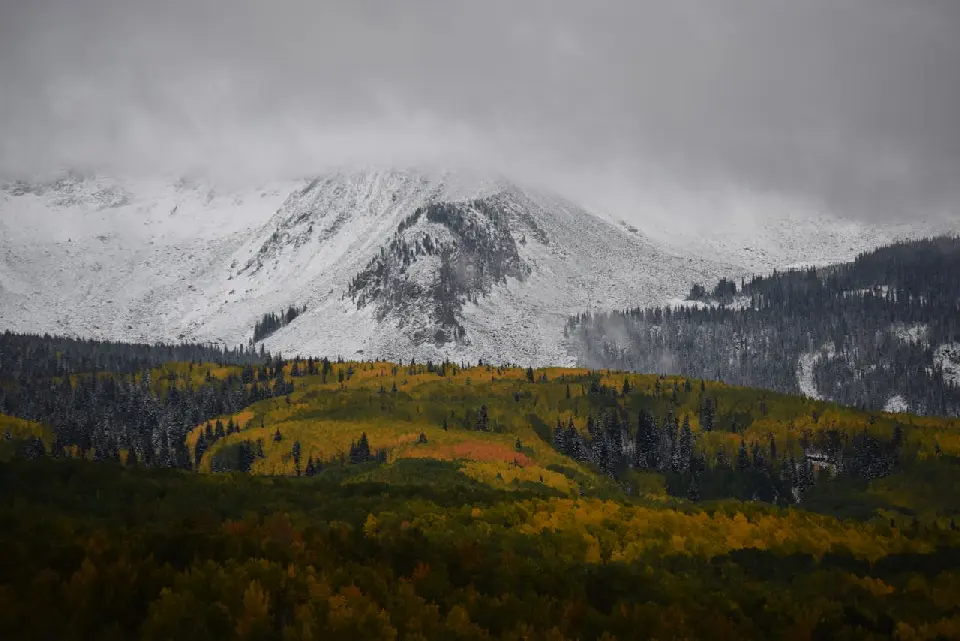
Colorado Fall Color Photography Art Retreat

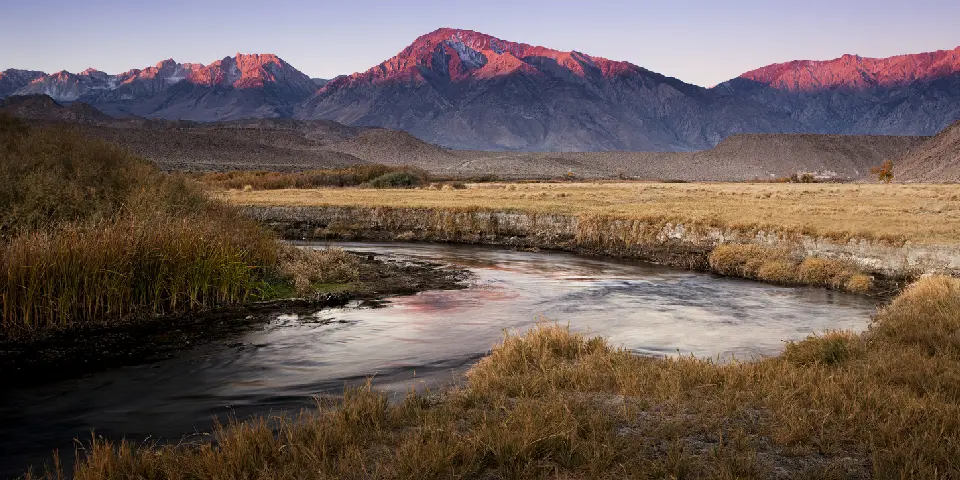
Autumn in Eastern Sierra

Oregon Coast Adventure Photography Workshop
Autumn in Utah Badlands