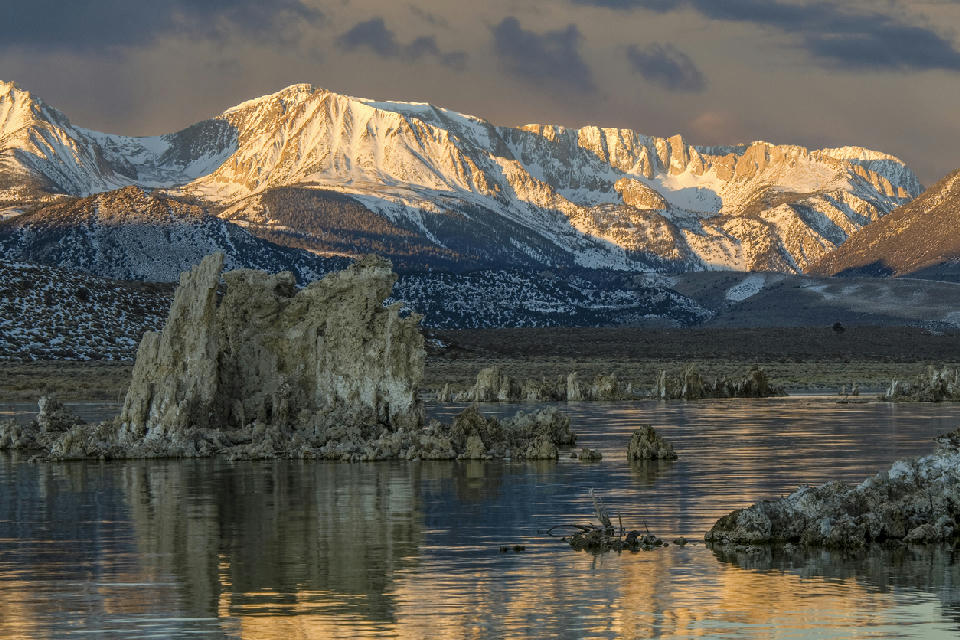
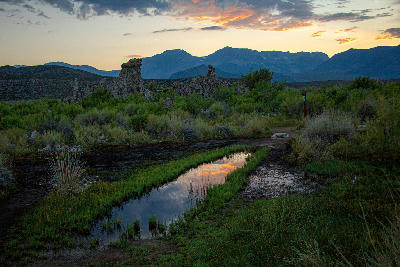
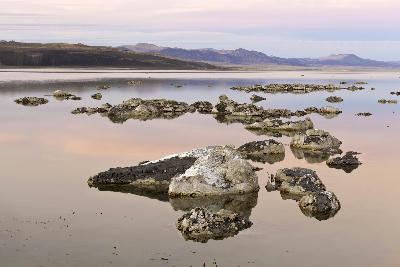
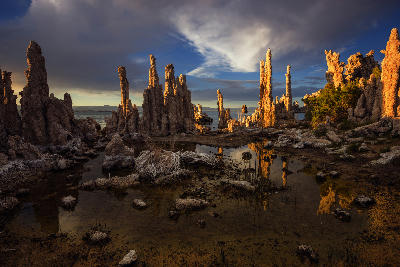
Tufa formations at Mono Lake with first light illuminating the Sierra Nevada, reflected in calm water at the South Tufa Area.
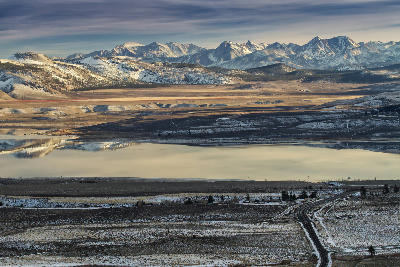
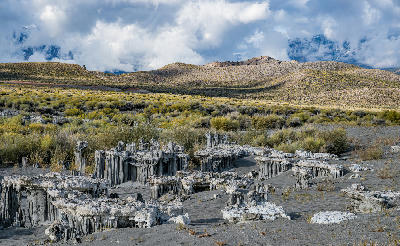
The open basin surrounding Mono Lake sits on the eastern edge of the Sierra Nevada, defined by expansive desert plains, volcanic formations, and a large inland lake shaped by geological and hydrological processes. The landscape is structured by openness, where water, land, and sky interact across a wide and unobstructed environment. The terrain transitions between flat basin floors, shoreline formations, volcanic features, and distant mountain backdrops. Elevation changes are minimal within the basin itself, with surrounding ranges providing distant structure rather than dominant vertical relief. Seasonal conditions influence water levels, surface reflections, and atmospheric clarity. Light interacts strongly across open space, shaping contrast between land, water, and sky.
Gallery
Key POIs in Mono Basin
Nearby Places
View all on mapTioga Pass
landmark — 18.0 km
Yosemite National Park
Tuolumne Meadows & Tioga Pass
area district — 27.3 km
Yosemite National Park
Thousand Island Lake
water feature — 27.9 km
Eastern Sierra Nevada
Ediza Lake
water feature — 30.9 km
Eastern Sierra Nevada
Mammoth Lakes Basin
area district — 33.2 km
Eastern Sierra Nevada
Tenaya Lake
water feature — 37.7 km
Yosemite National Park
Horseshoe Lake
water feature — 38.2 km
Eastern Sierra Nevada
Ansel Adams Wilderness
area district — 38.6 km
Eastern Sierra Nevada
Overview
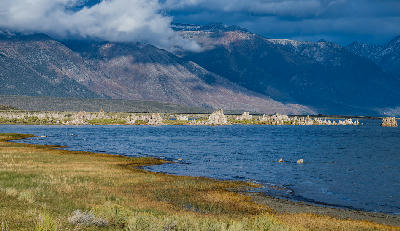
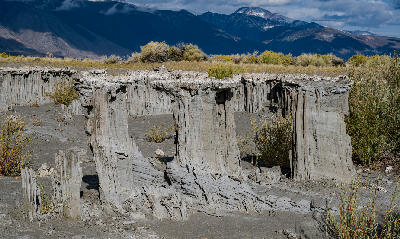
Mono Basin is structured as an open desert basin system, where scale and negative space define the landscape. Unlike alpine environments, the terrain here is expansive and minimally obstructed, allowing compositions to extend across large distances. The shoreline of Mono Lake forms the central compositional anchor. Features such as tufa formations—calcium carbonate towers rising from the water—create distinct foreground elements that contrast with the flat basin and distant Sierra Nevada mountains. For photographers, the region functions through foreground-to-horizon composition. Tufa structures, shoreline textures, and open water form the foreground, while distant mountain ranges provide a subtle but consistent backdrop. The visual structure is defined by space and isolation. Compositions rely on separation between elements, with minimal visual clutter and strong emphasis on scale.
Key photography subjects
- Tufa formations rising from lake shorelines
- Wide-open basin landscapes with minimal obstruction
- Mono Lake as a reflective and compositional centre
- Volcanic features and textured desert terrain
- Distant Sierra Nevada mountains forming subtle backdrops
- Negative space across water and sky
- Light defining contrast across open environments
Workshops in Mono Basin
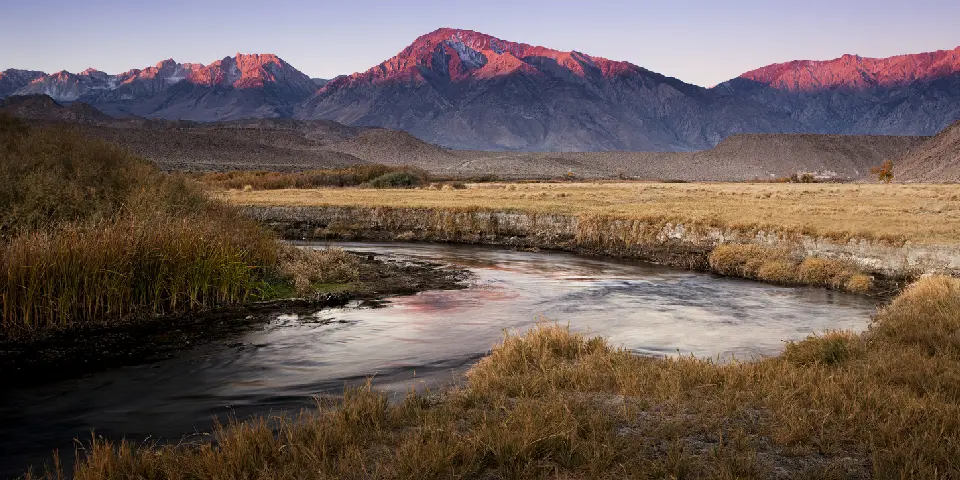
Autumn in Eastern Sierra

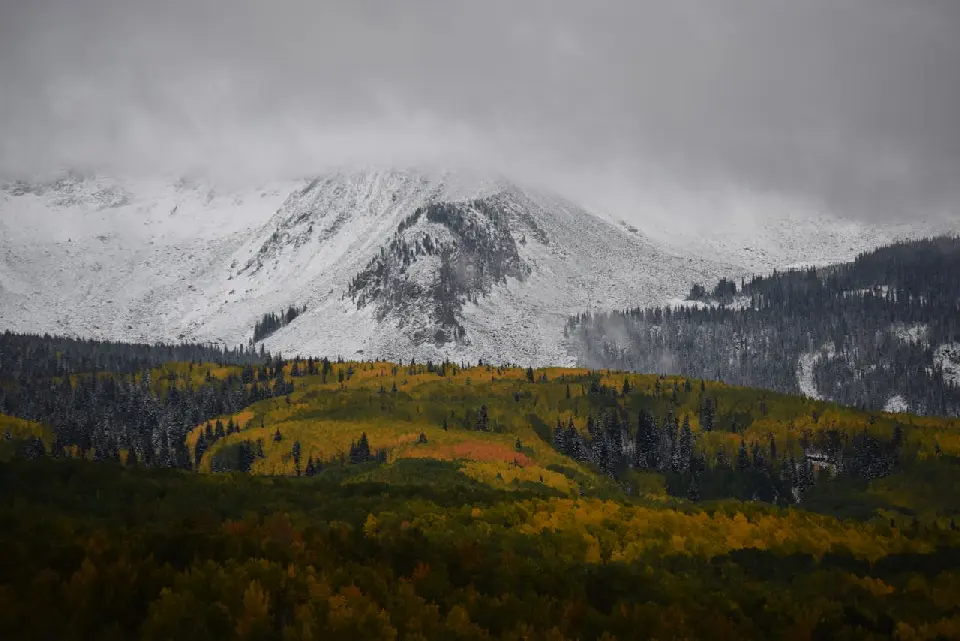
Colorado Fall Color Photography Art Retreat

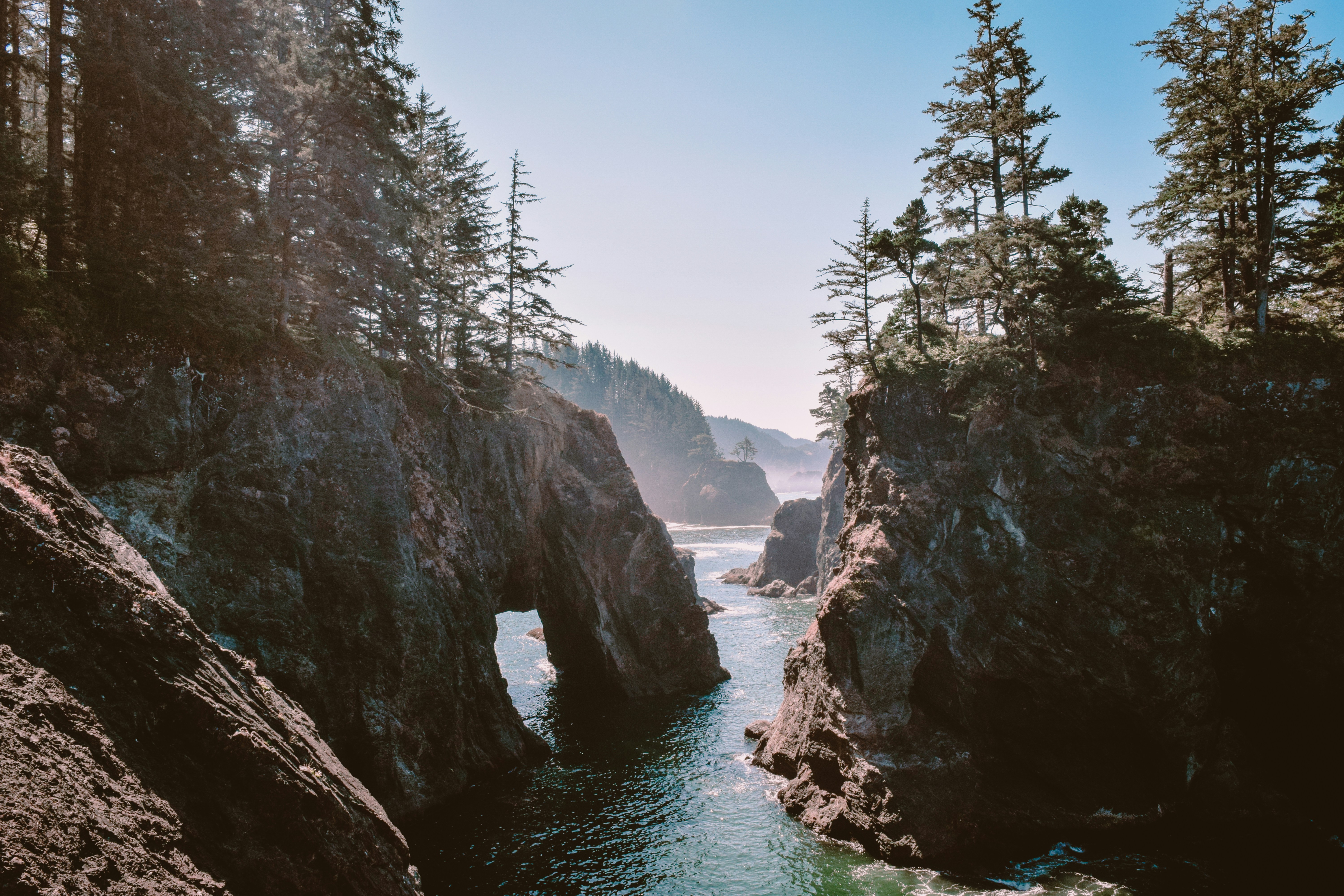
Oregon Coast Adventure Photography Workshop
Autumn in Utah Badlands