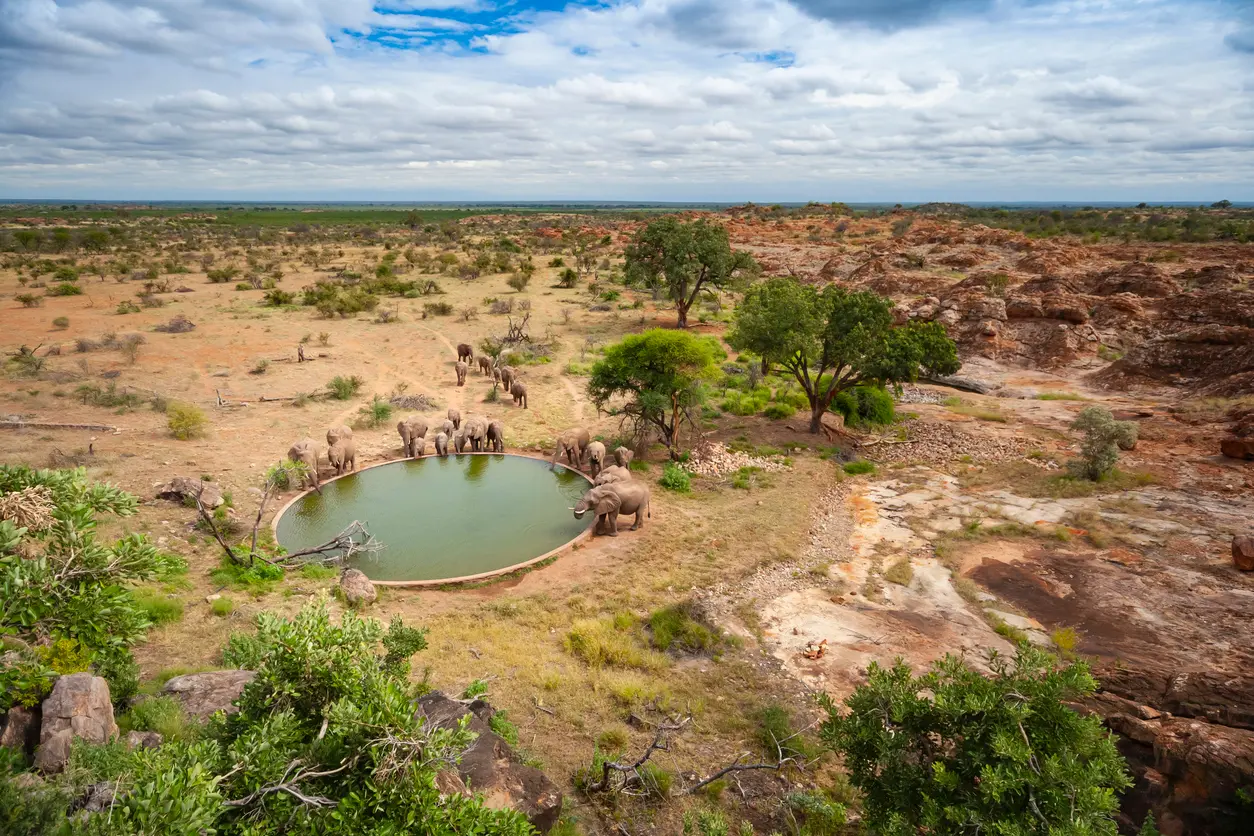
A herd of elephants gathers at a remote waterhole amid the sandstone wilderness of Mapungubwe National Park in northern Limpopo.
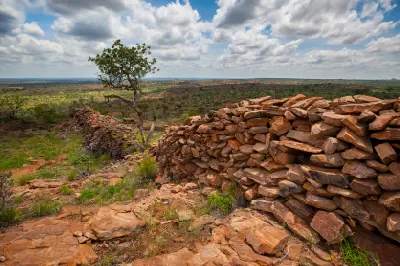
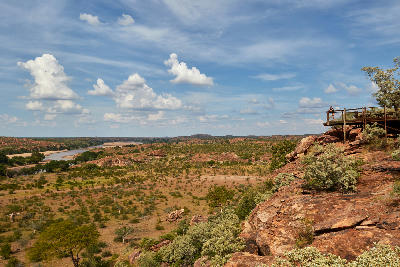
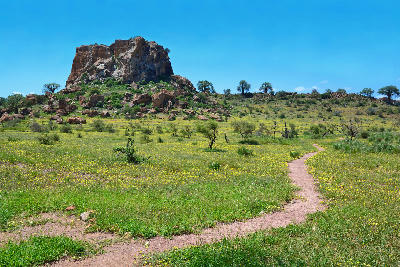
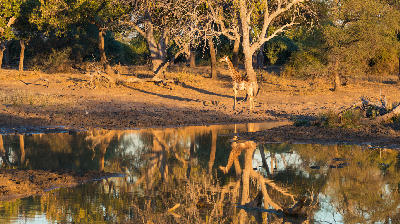
Mapungubwe National Park protects one of South Africa's most significant cultural landscapes, where ancient sandstone hills, riverine forests and vast wilderness converge at the meeting point of South Africa, Botswana and Zimbabwe. Renowned for its archaeological importance and dramatic scenery, the park combines heritage, wildlife and landscape photography within a uniquely northern African setting.
-22.21092, 29.41054
Gallery
Quick Facts
Access
Visitor Access
5–15 min
Elevation Gain
30 m
Best Light
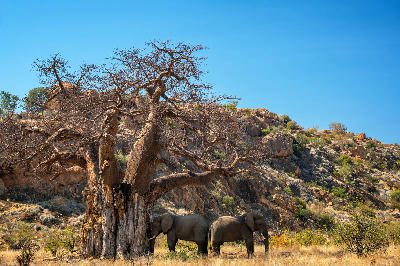
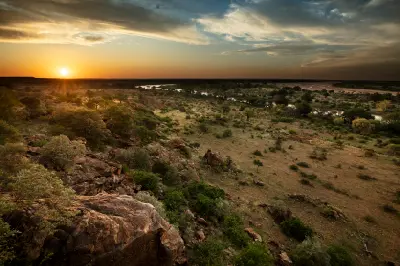
Low-angle light enhances the texture of sandstone ridges, illuminates baobab trees and creates depth across the surrounding wilderness.
Why This Light
Season
Year-Round Stable
Summer brings lush river corridors, dramatic storm clouds and vibrant green vegetation across the park. Winter offers clear skies, excellent visibility and warm earth tones that emphasise the sandstone formations and baobab-dotted landscapes.
Crowds
Usually Quiet
Restrictions
The park is accessed through SANParks gates and a network of internal roads connecting viewpoints, archaeological sites and wilderness areas. Most major photographic locations are easily reached by vehicle with short walks to designated viewpoints and interpretation sites.