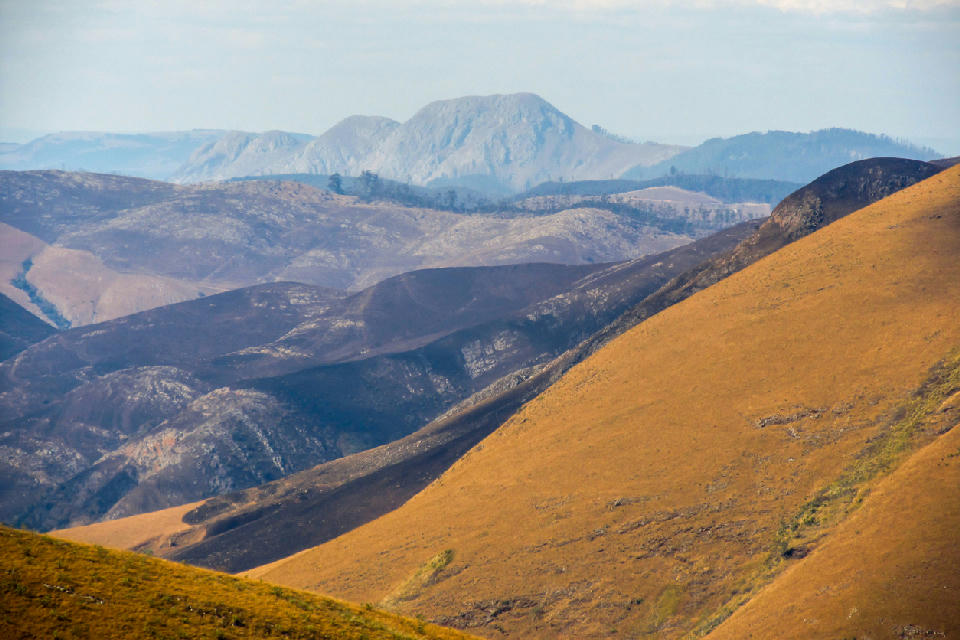
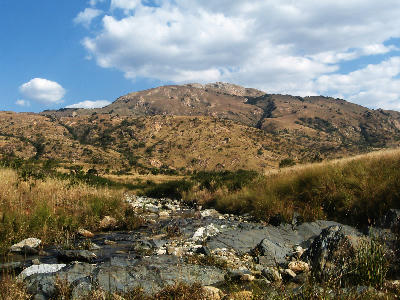
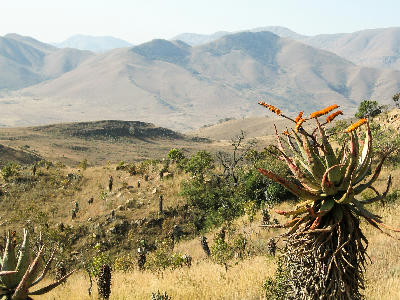
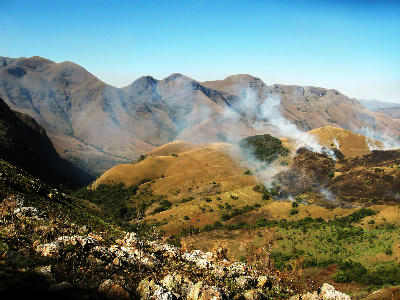
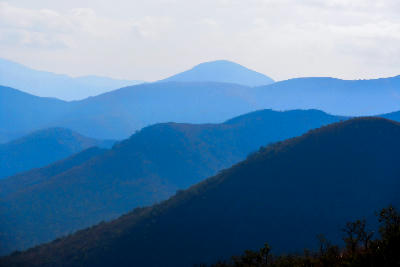
View across the ancient Makhonjwa Mountains, where rolling ridges and grass-covered slopes form one of the world's oldest mountain landscapes.
The Makhonjwa Mountains & Geotrail form one of South Africa's most extraordinary mountain landscapes and preserve some of the oldest exposed rocks on Earth. Recognised as a UNESCO World Heritage Site, the region combines rugged mountain scenery, ancient geological formations and a scenic driving route that reveals the remarkable story of the early Earth.
-25.89659, 31.08256
Gallery
Quick Facts
Access
Roadside / Step-out
0–5 min
Elevation Gain
20 m
Best Light
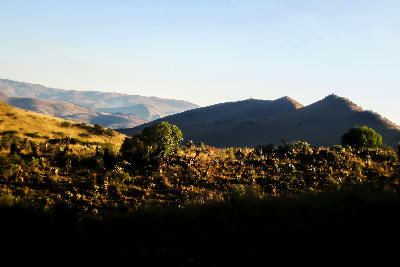
Low-angle light reveals the texture of the mountains, emphasises geological layers and creates depth across the valleys and ridgelines.
Why This Light
Season
Year-Round Stable
Summer brings green mountain slopes, dramatic cloud formations and frequent afternoon thunderstorms that add atmosphere to the landscape. Winter provides clearer skies, excellent visibility and crisp light that emphasises the structure of the mountain ridges and geological formations.
Crowds
Usually Quiet
Restrictions
Most viewpoints along the geotrail are reached directly from public roads with short roadside stops. Mountain passes and scenic pull-offs provide easy access to many of the area's most impressive viewpoints.