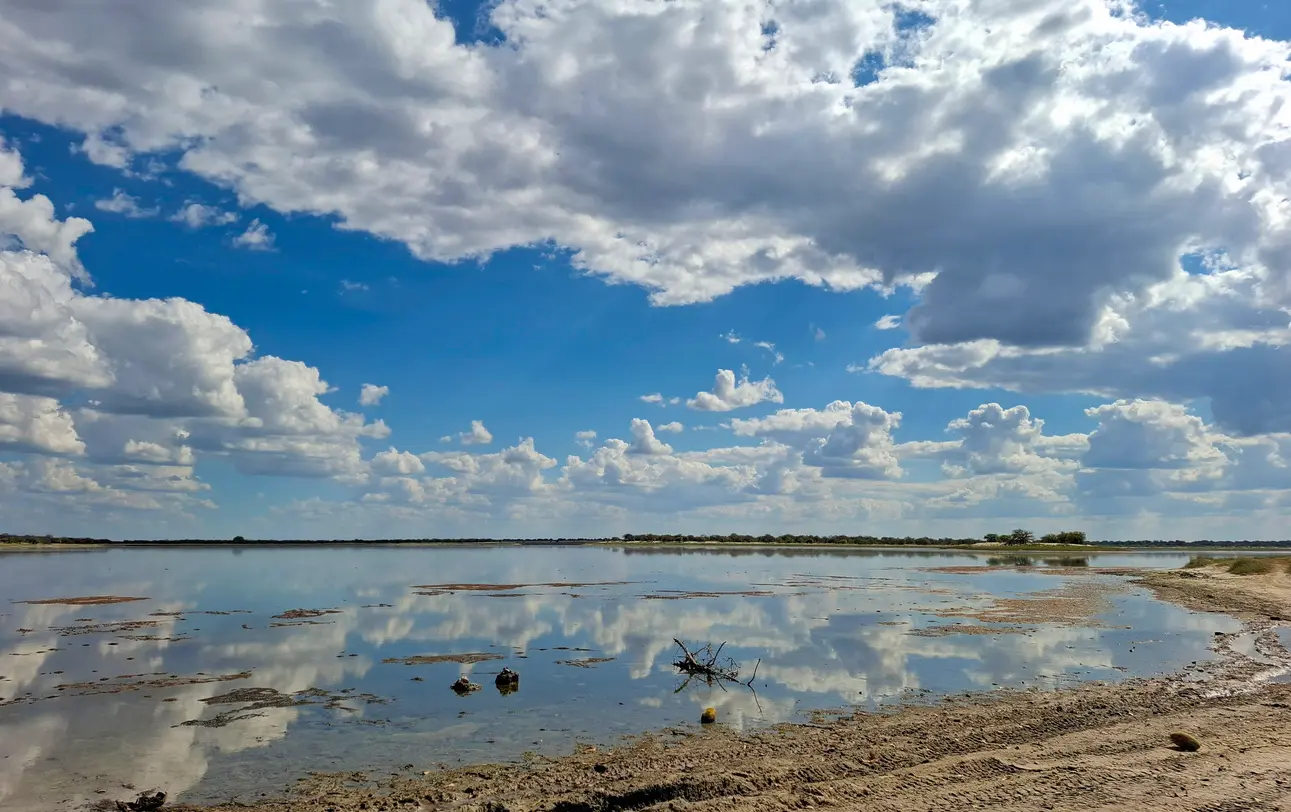
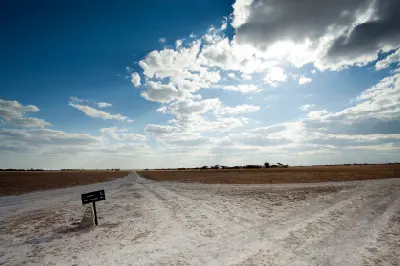
Rain-filled Nxai Pan reflects dramatic storm clouds during the wet season in Botswana.
The Makgadikgadi Pans are among the world's largest salt flats, where immense open landscapes, seasonal wetlands and dramatic skies create one of Africa's most distinctive photography destinations. Their vast scale and ever-changing conditions offer unique opportunities for landscape and wildlife photography.
-19.88551, 24.74752
Gallery
Quick Facts
Access
Visitor Access
0–5 min
Elevation Gain
5 m
Best Light
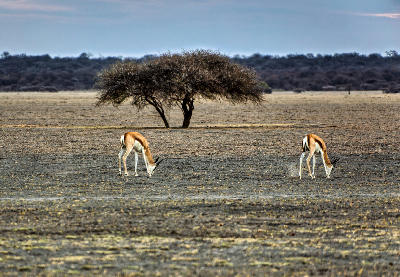
Low-angle light brings texture to the grasslands and acacia trees, while summer storms create dramatic skies over the open plains.
Why This Light
Season
Seasonally Distinct
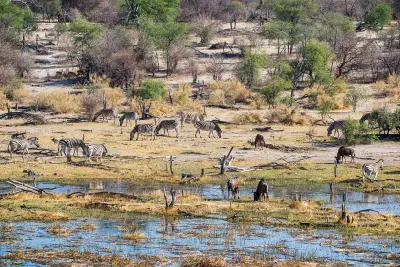
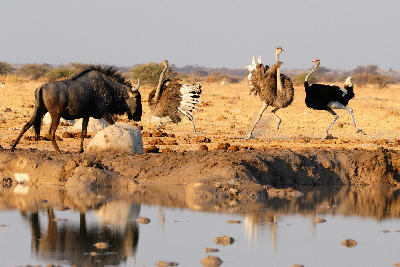
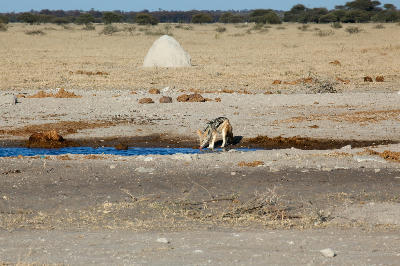
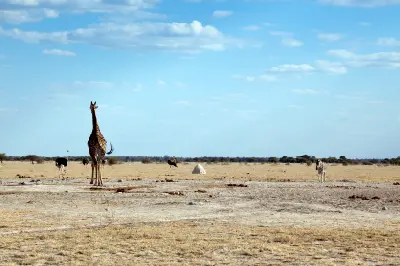
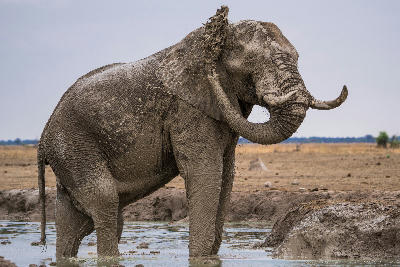
Dry-season waterholes concentrate wildlife against open grasslands, while summer rains transform the landscape into lush green plains that attract migratory herbivores and dramatic thunderclouds.
Crowds
Usually Quiet
Restrictions
Nxai Pan National Park is accessed via sandy 4×4 roads that can become challenging after heavy rain. Most photographic locations are reached directly by vehicle, with designated viewpoints and game-drive tracks throughout the park.