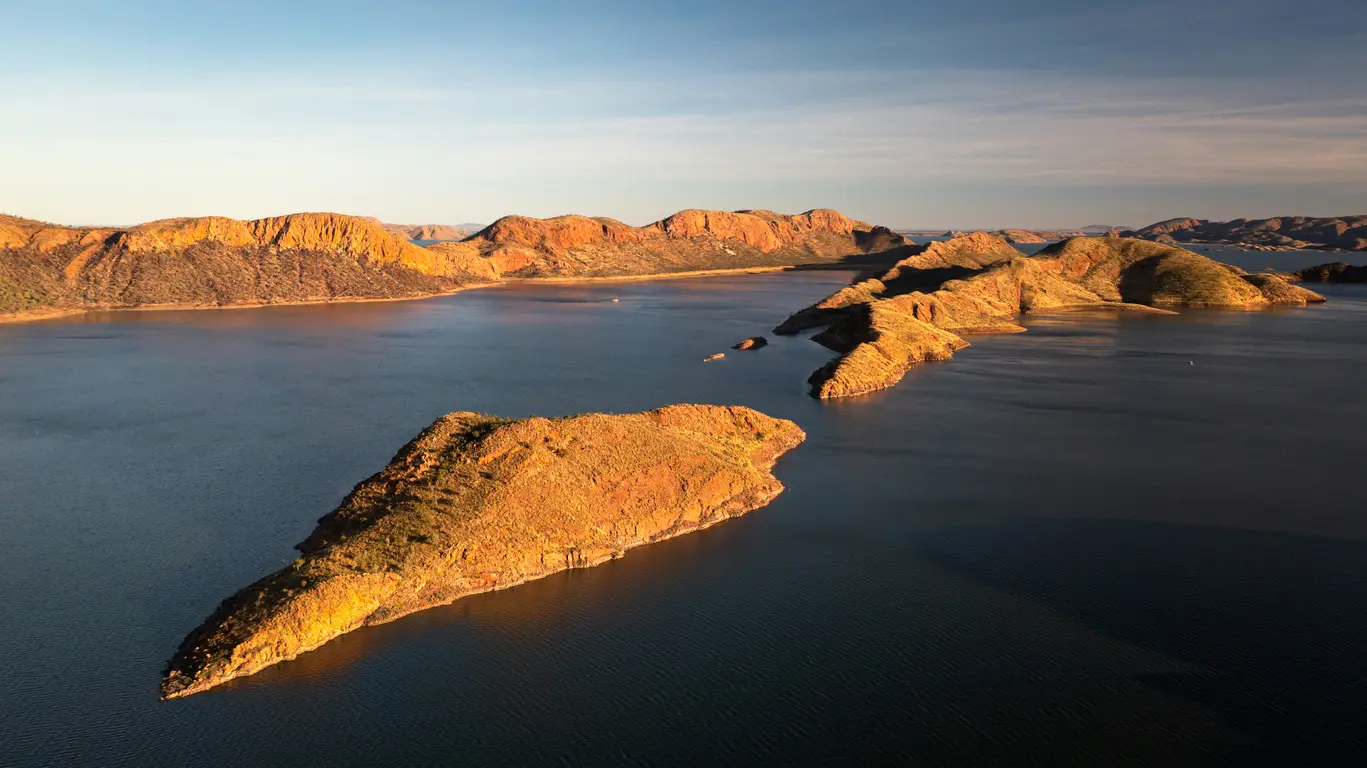
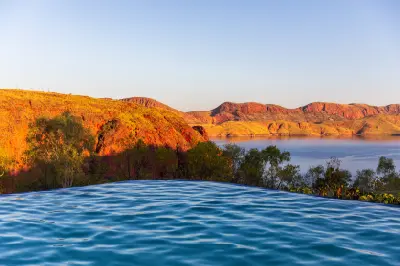
Rugged islands in Lake Argyle illuminated by golden evening light, Kimberley, Western Australia.
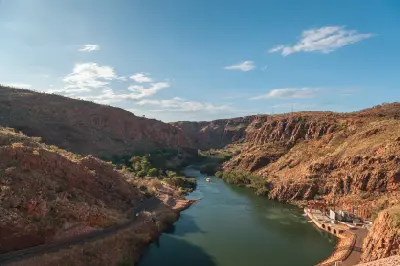
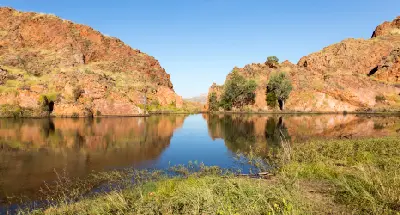
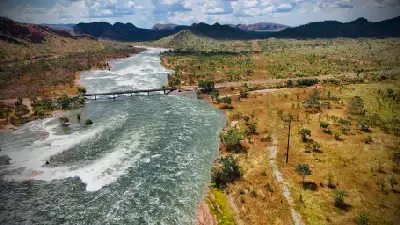
Lake Argyle is a vast reservoir on the Ord River in the eastern Kimberley, surrounded by low sandstone ranges and rocky islands. Its branching shoreline creates broad expanses of water, sheltered bays and partially submerged ridges across the surrounding dry landscape. Open water, reflections and layered landforms provide opportunities for expansive landscape and wildlife photography.
-16.36146, 128.67300
Gallery
Quick Facts
Access
Visitor Access
0–5 min
Elevation Gain
5 m
Best Light
Low-angle light separates the islands and surrounding ridges, while calm conditions can produce broad reflections across the lake.
Why This Light
Season
Seasonally Distinct
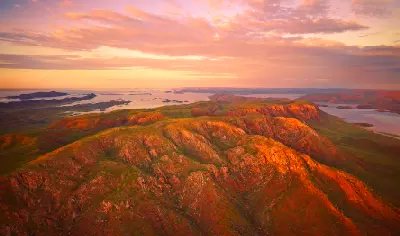
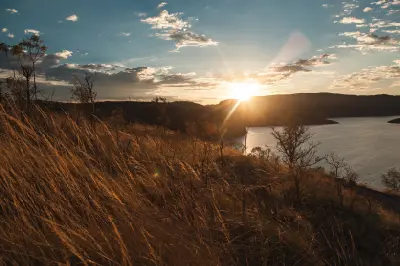
Summer brings greener surrounding hills, higher water levels and dramatic storm clouds during the Kimberley wet season. Winter brings drier golden vegetation, clearer skies and stronger warm tones across the rocky islands and surrounding ranges.
Crowds
Usually Quiet
Restrictions
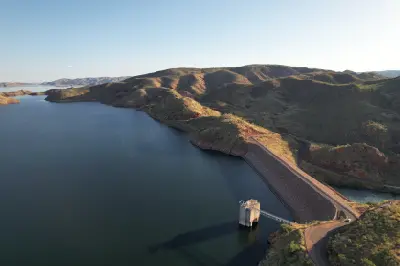
Lake Argyle is reached by sealed road from the Victoria Highway, with accessible views around the dam and visitor facilities. Much of the lake is best experienced by boat because of its scale and complex shoreline, while cruises provide access to more remote sections and wildlife habitat. Conditions on open water can change with wind and weather, and access arrangements and cruise schedules should be checked before travel.