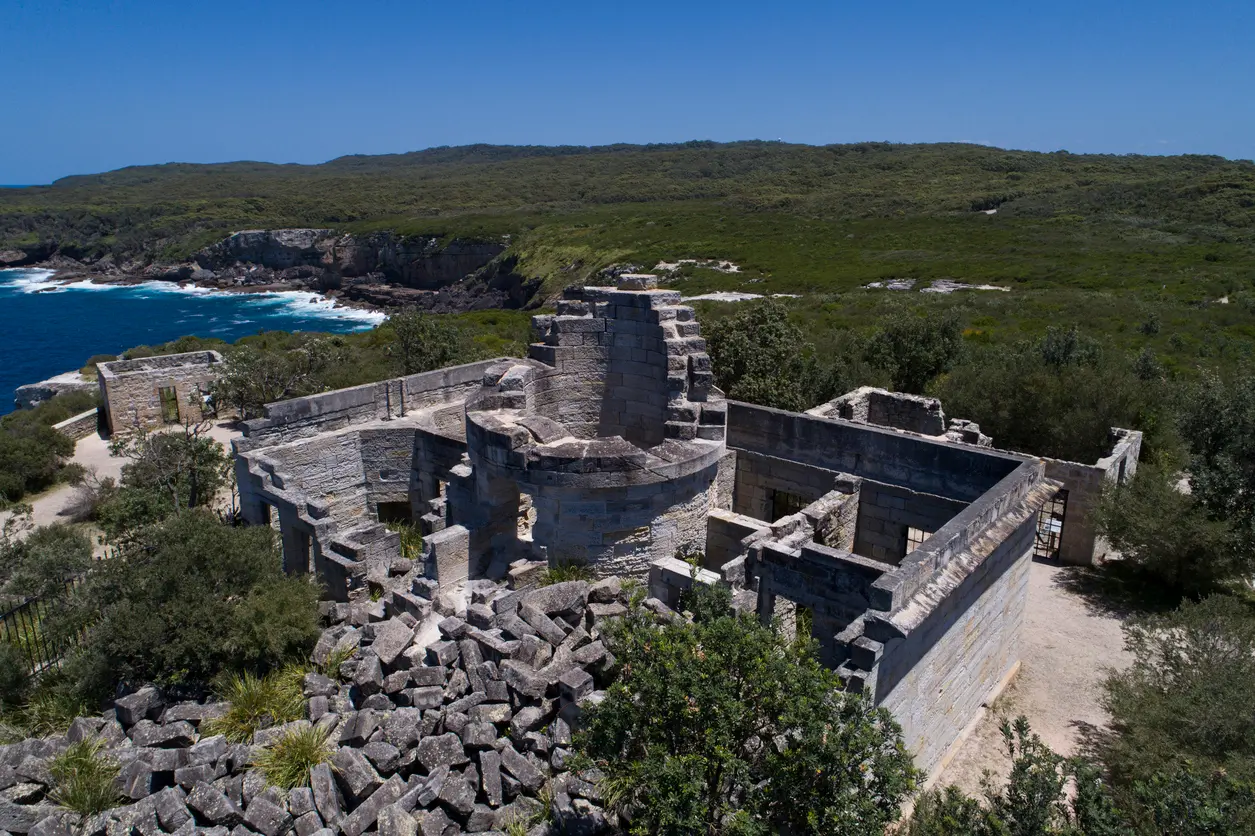
Ruins of Cape St George Lighthouse in Booderee National Park, Jervis Bay Territory, Australia.
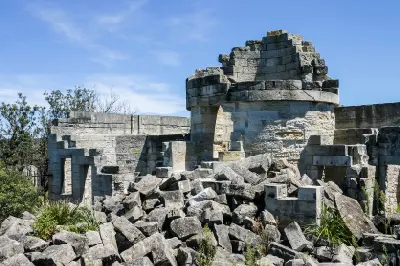
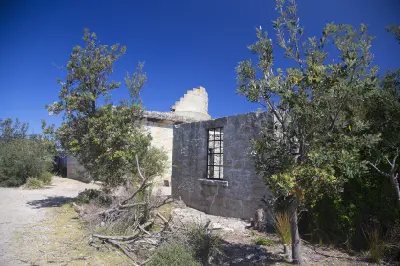
Cape St George Lighthouse is a ruined 19th-century lighthouse on an exposed headland within Booderee National Park at Jervis Bay. Built to guide shipping along the NSW coast, the lighthouse was later abandoned and largely demolished, leaving substantial stone ruins overlooking the Pacific Ocean. Its maritime history, isolated coastal setting and weathered architecture create a distinctive destination for documentary and landscape photography.
-35.15200, 150.76144
Gallery
Quick Facts
Access
Short Walk
0–5 min
Elevation Gain
5 m
Best Light
Low-angle light reveals texture in the stone ruins, while softer conditions retain detail across weathered masonry, vegetation and the bright coastal sky.
Why This Light
Season
Seasonally Distinct
Summer brings warmer weather and generally calmer coastal conditions, while winter can produce stronger seas and migrating whales offshore. Autumn and spring often combine mild temperatures with changing skies and quieter conditions.
Crowds
Usually Quiet
Restrictions
Cape St George Lighthouse is reached by road through Booderee National Park, with parking close to the historic site and only a short walk required to reach the ruins and surrounding viewpoints. Entry fees apply to Booderee National Park. Visitors should remain within established public areas around the ruins and take care near the exposed coastal cliffs.