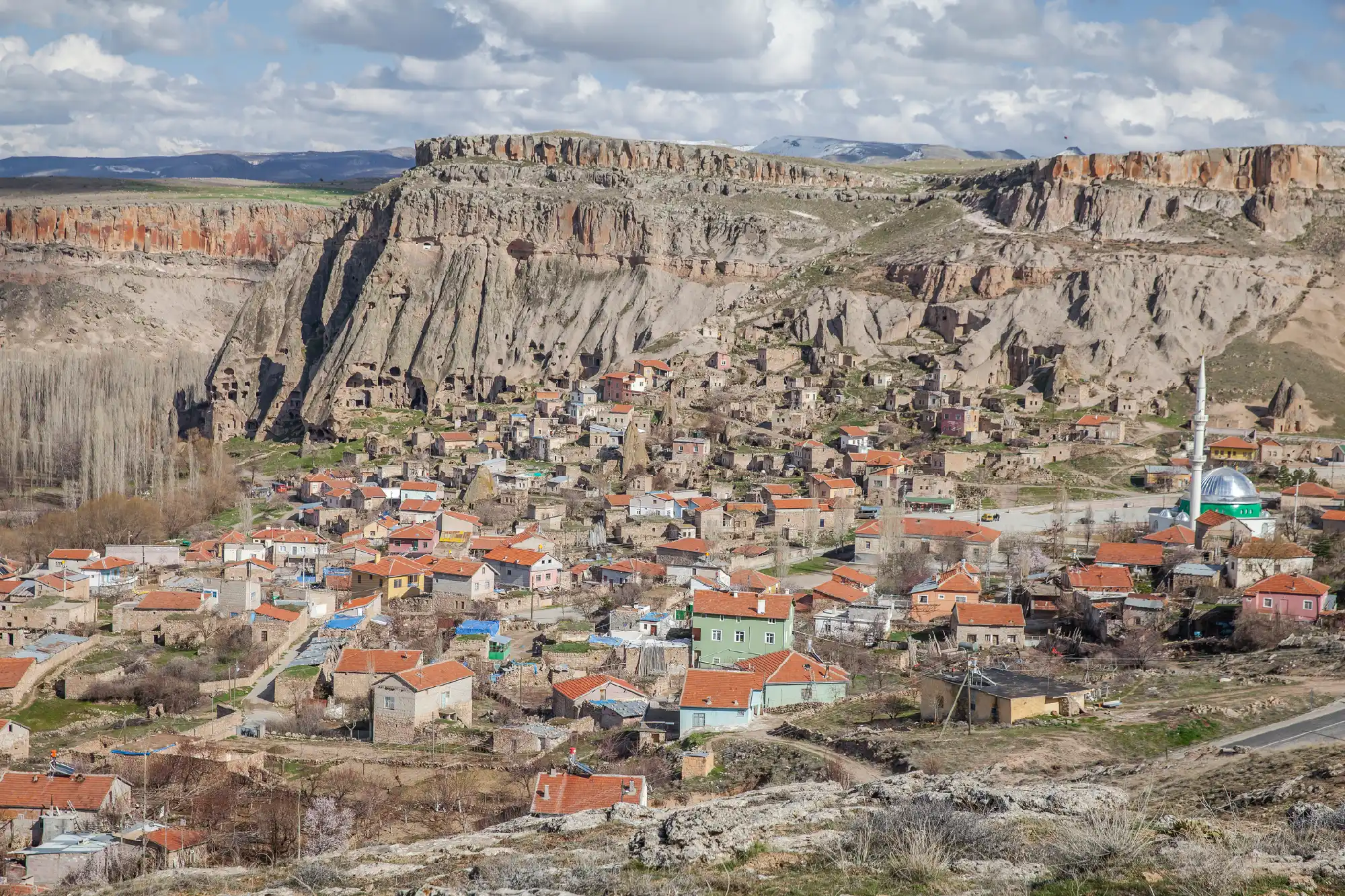
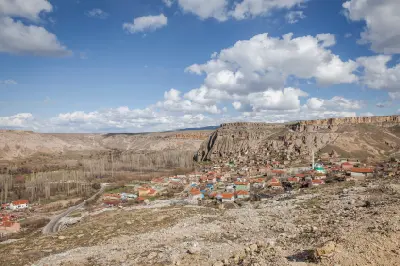
Yaprakhisar village beneath the volcanic cliffs of Cappadocia, Turkey.
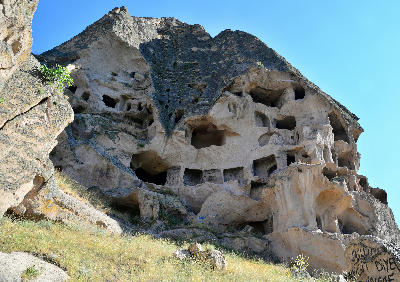
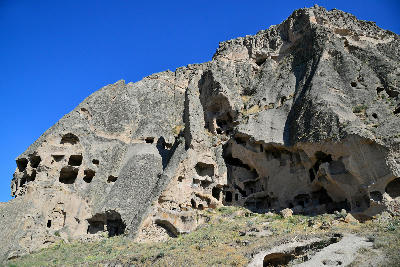
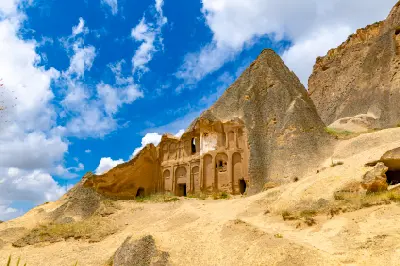
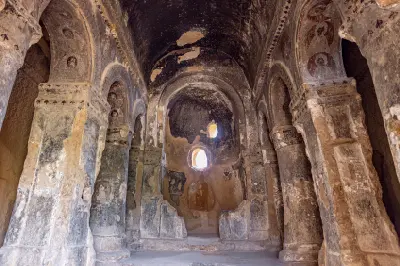
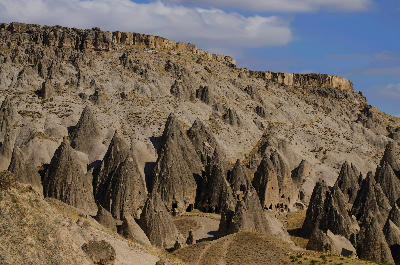
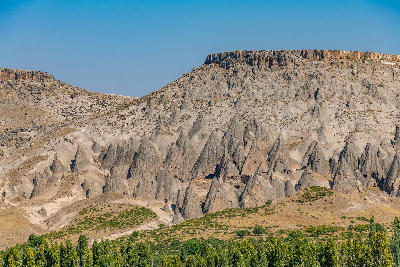
Yaprakhisar is a small village near the northern end of Ihlara Valley, surrounded by heavily eroded volcanic cliffs and distinctive rock formations. Tall pinnacles and weathered tuff rise above cultivated fields and the village, with cave openings visible throughout sections of the surrounding rock. The landscape forms a transition between the deeper Ihlara gorge and the more open volcanic terrain around nearby Selime. Its combination of rural settlement, agriculture and unusual geology gives Yaprakhisar a different character from the better-known sites farther south in the valley.
38.29422, 34.26416
Gallery
Quick Facts
Access
Roadside / Step-out
0–5 min
Elevation Gain
30 m
Best Light
Low-angle light reveals the texture of the eroded cliffs and pinnacles while creating separation between the village, fields and surrounding formations.
Why This Light
Season
Seasonally Distinct
Spring brings green fields and fresh vegetation that contrast with the pale volcanic formations, while summer becomes progressively drier and more golden. Autumn introduces warmer agricultural colours, while winter can bring bare vegetation and occasional snow across the surrounding cliffs.
Crowds
Usually Quiet
Restrictions
Yaprakhisar is reached by road and the surrounding landscape can be viewed from several points around the village. Visitors should respect private homes and agricultural land, using established roads and paths rather than entering cultivated fields or residential property.