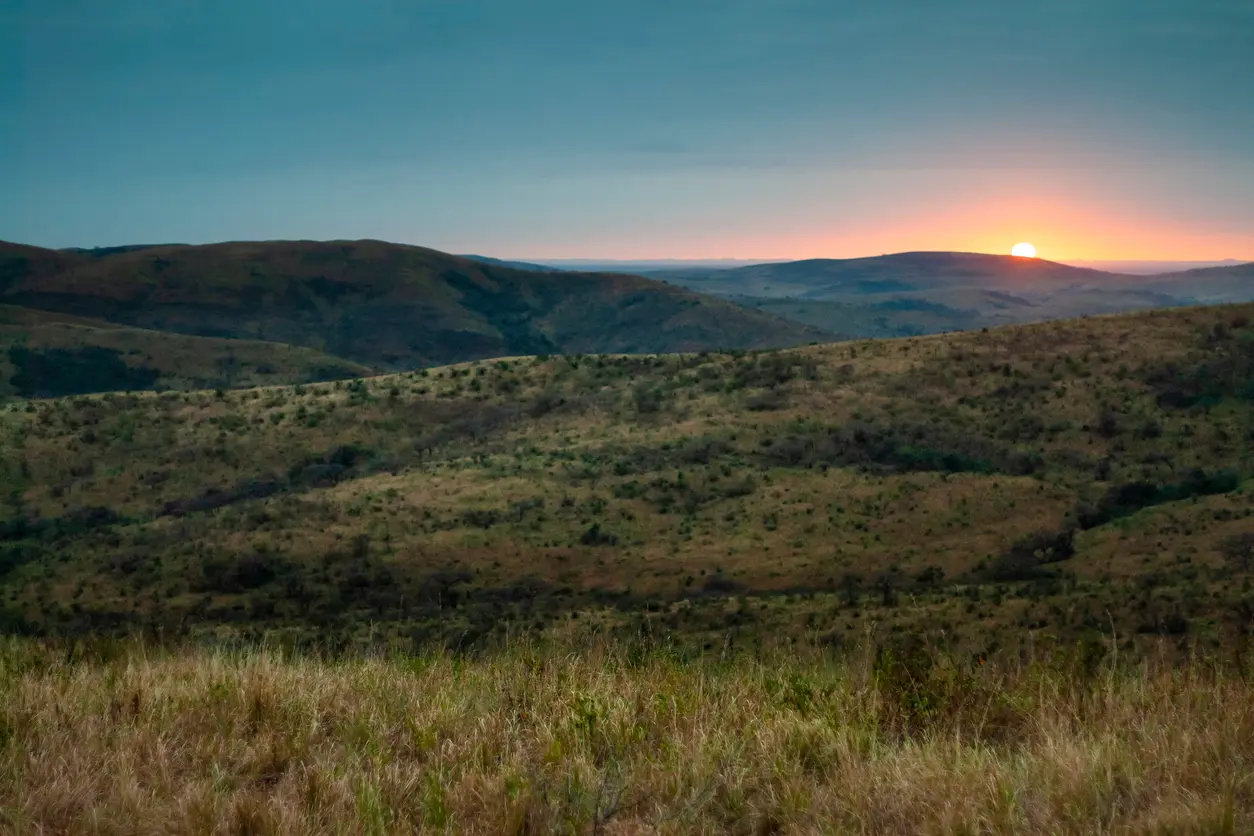
Sunrise over the rolling hills and grasslands of Hluhluwe–iMfolozi Park in KwaZulu-Natal, South Africa.
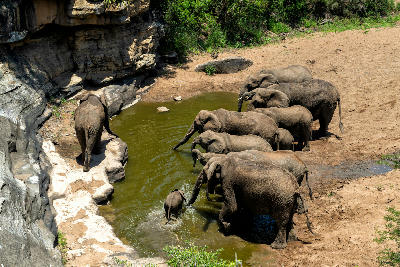
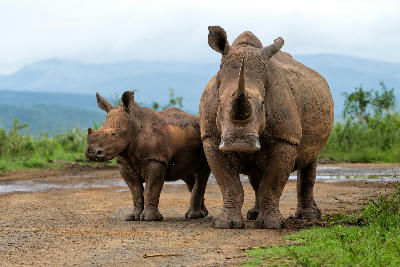
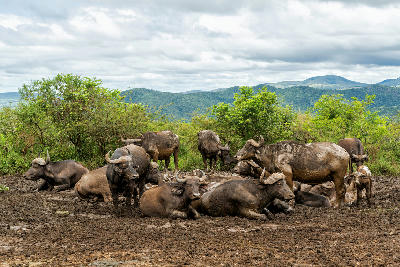
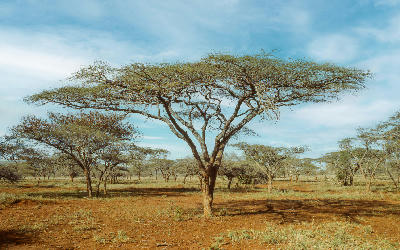
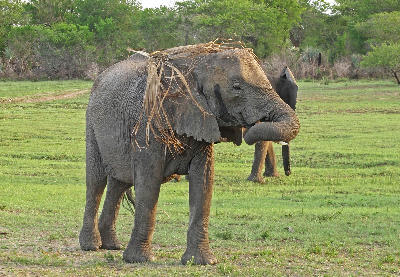
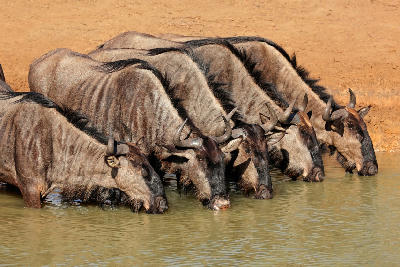
Hluhluwe & Zululand Wildlife form the premier safari landscape of northern KwaZulu-Natal. The region includes Hluhluwe-Imfolozi Park, Mkhuze Game Reserve, Tembe Elephant Park, and a network of protected savannah, woodland, wetland, and riverine ecosystems that support some of South Africa's most significant wildlife populations. The landscape is structured around rolling hills, broad savannah plains, acacia woodland, seasonal river systems, and wildlife-rich conservation areas extending across the historic Zululand region. These habitats support exceptional biodiversity, including the Big Five, large elephant populations, endangered rhinoceros, predators, antelope, and abundant birdlife across a variety of ecological zones. Seasonal variation influences vegetation growth, water availability, wildlife distribution, and atmospheric conditions throughout the year. Summer rainfall transforms the landscape into lush green savannah, while the dry winter months concentrate wildlife around rivers, pans, and waterholes, creating changing photographic opportunities across the region.
Gallery
Key POIs in Hluhluwe & Zululand Wildlife
Nearby Places
View all on mapOverview
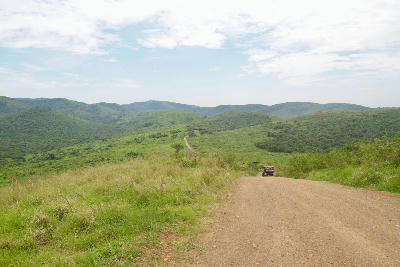
Hluhluwe & Zululand Wildlife are structured around a series of interconnected conservation landscapes extending across northern KwaZulu-Natal. Rolling hills, open grasslands, river valleys, wetlands, and woodland environments create a diverse mosaic of habitats supporting one of Africa's most important wildlife regions. The area represents the transition between the subtropical coastal plain and the interior savannah landscapes of eastern South Africa. Each conservation area possesses a distinct visual identity while remaining connected through the broader Zululand ecosystem. Hluhluwe-Imfolozi is characterised by undulating hills, river valleys, and extensive game-viewing opportunities, while Mkhuze introduces wetlands, pans, and exceptional birdlife habitats. Further north, Tembe Elephant Park protects ancient sand forests and some of South Africa's largest free-ranging elephant populations, adding further ecological diversity to the region. The visual structure of the landscape is defined by wildlife, habitat diversity, and changing seasonal conditions. Savannah grasslands, acacia woodland, river systems, wetlands, and forested areas create layered compositions throughout the region. Golden sunrise and sunset light, summer storms, winter dust, and seasonal vegetation changes continually influence colour, texture, and atmosphere across the Zululand wilderness.
Key photography subjects
- Big Five wildlife within natural savannah habitats
- Rolling hills, grasslands, and acacia woodland landscapes
- Elephant, rhinoceros, predator, and antelope encounters
- River valleys, wetlands, pans, and seasonal waterholes
- Sand forests and diverse Zululand ecosystems
- Birdlife and wildlife interactions across varied habitats
- Golden safari light, seasonal weather, and atmospheric wilderness scenes
Workshops in Hluhluwe & Zululand Wildlife
No upcoming workshops scheduled for Hluhluwe & Zululand Wildlife at this time.
Check back soon or explore other destinations.