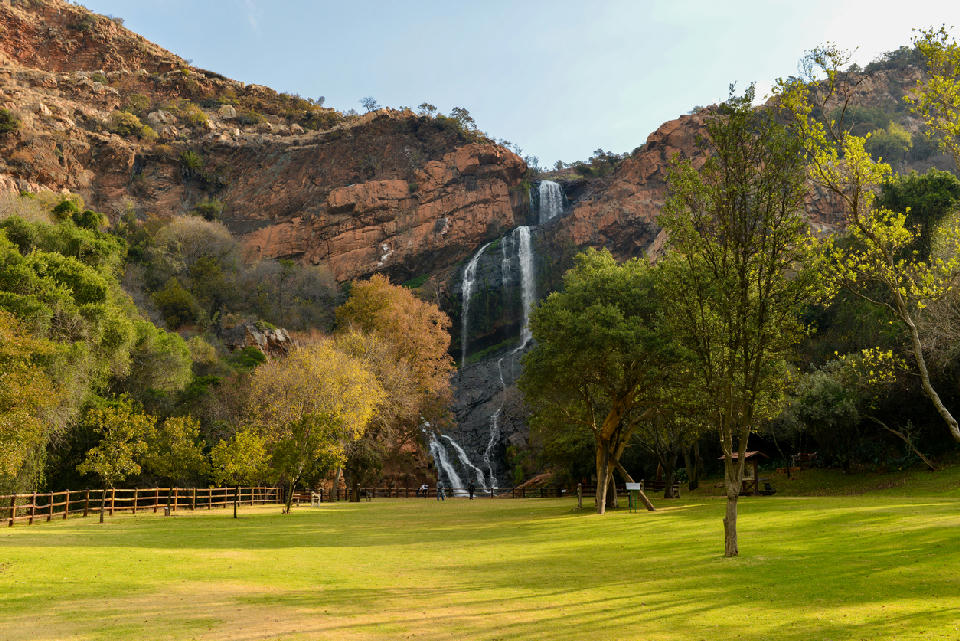
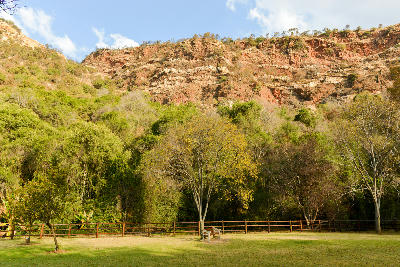
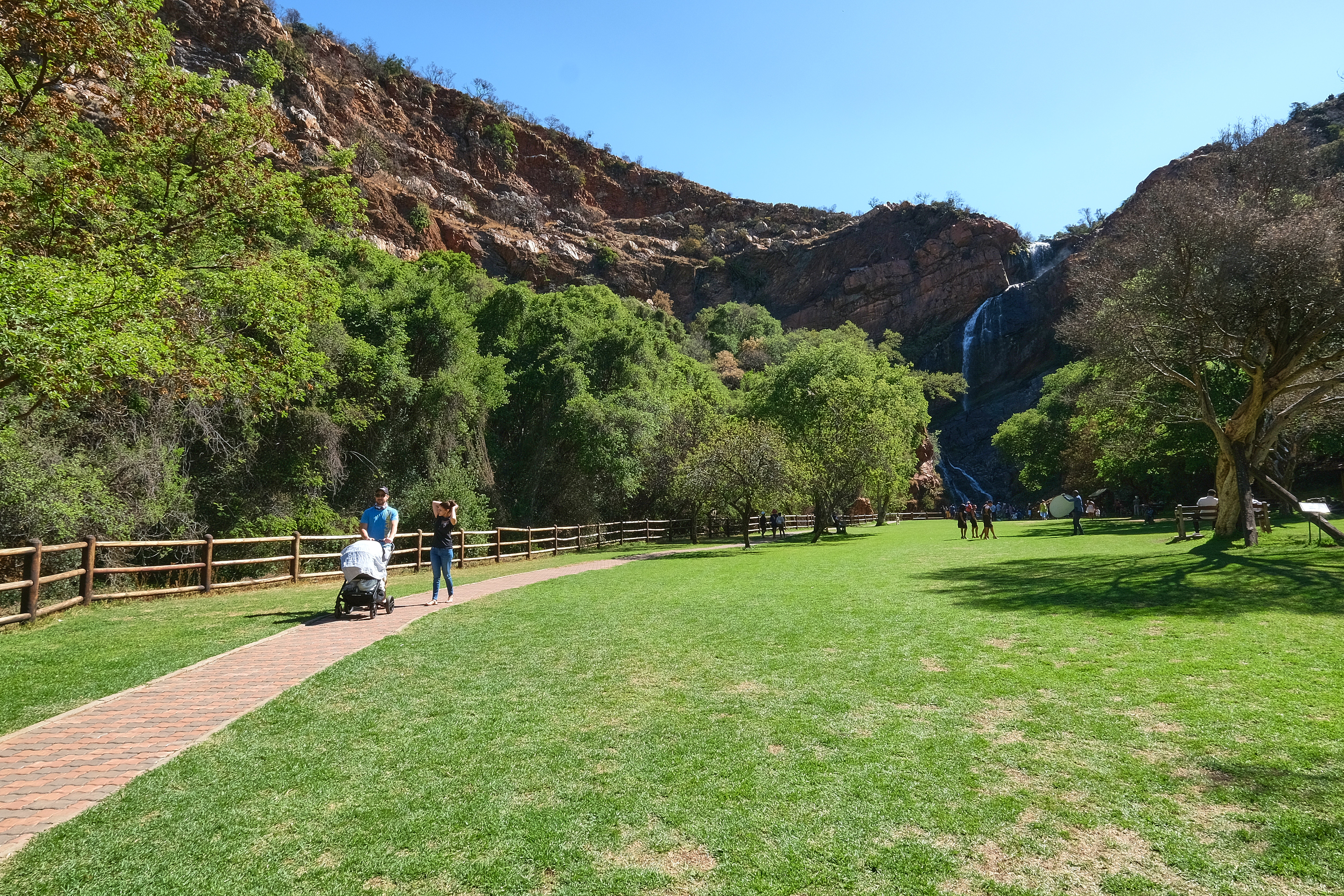
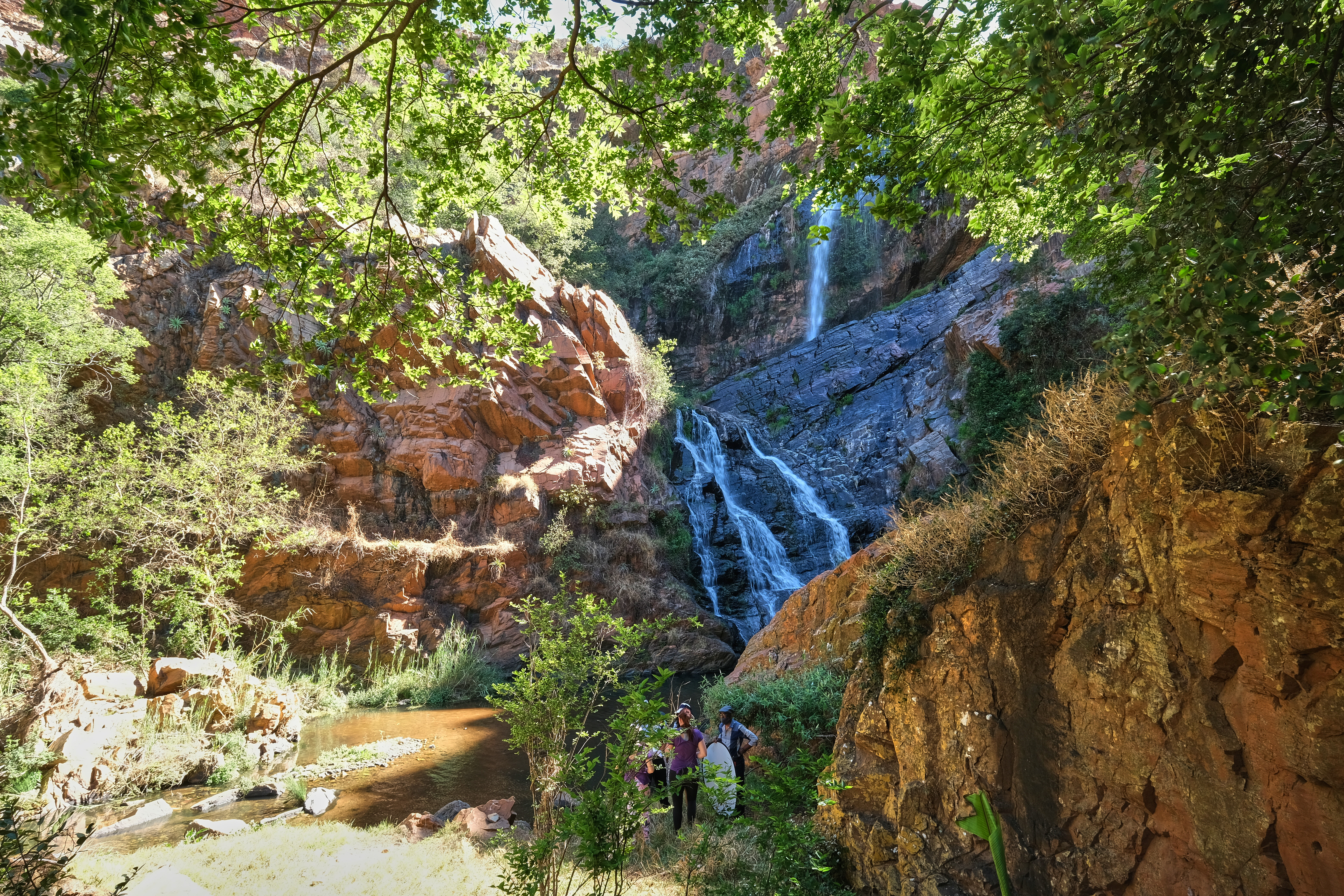
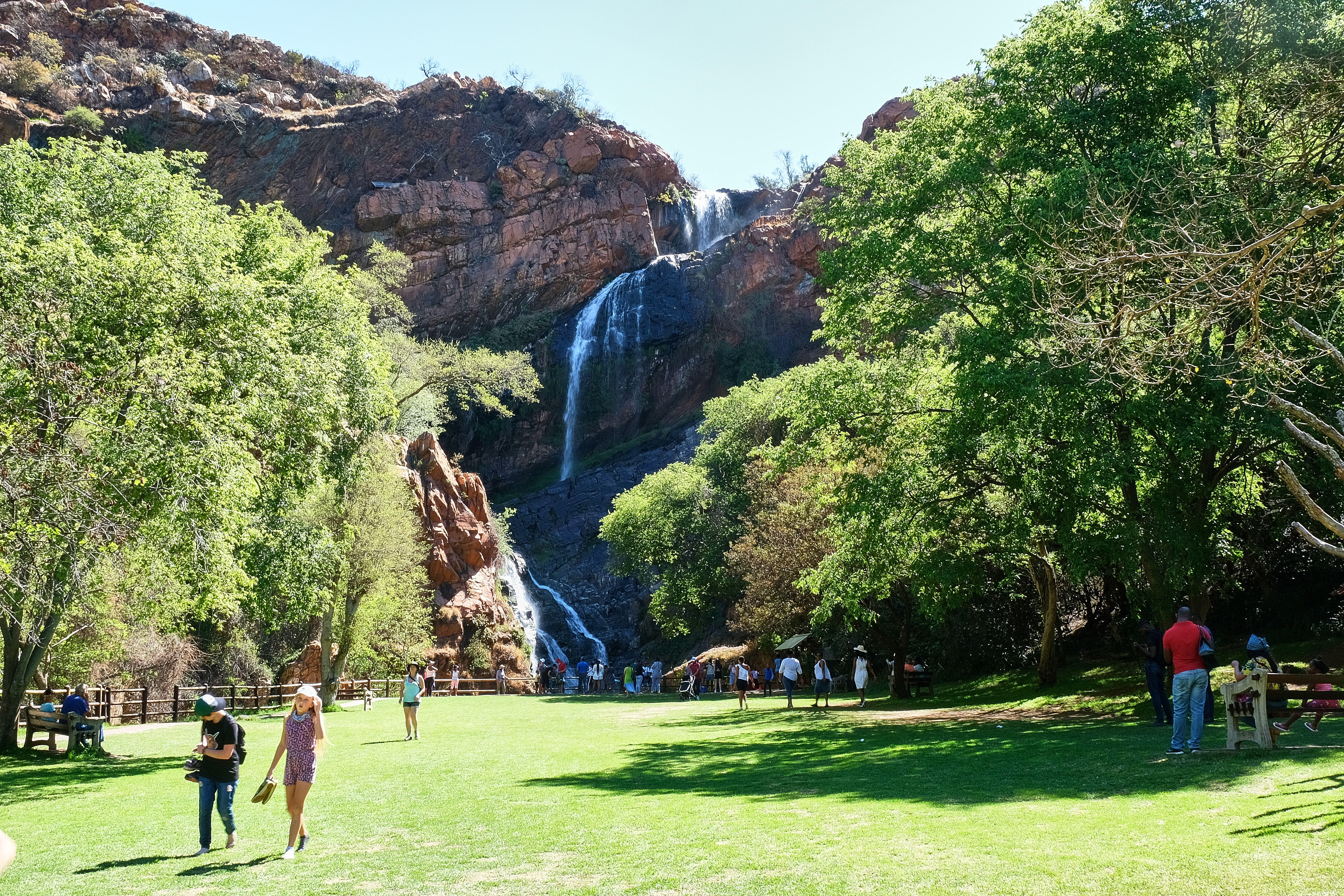
Witpoortjie Waterfall forms the centrepiece of Walter Sisulu National Botanical Garden, where a 70-metre cascade descends through rugged cliffs and indigenous vegetation west of Johannesburg. The garden is also known for its resident Verreaux's Eagles nesting on the surrounding cliffs.
Walter Sisulu National Botanical Garden is one of Gauteng's most scenic natural attractions, combining indigenous grassland, rocky ridges, waterfalls and rich birdlife within the western Johannesburg landscape. Centred on the dramatic Witpoortjie Waterfall, it offers some of the province's finest opportunities for nature and landscape photography.
-26.08232, 27.82967
Gallery
Quick Facts
Access
Visitor Access
15–45 min
Elevation Gain
30 m
Best Light
Soft early light reduces contrast around the waterfall and gardens while producing cleaner reflections on ponds and wet rock surfaces.
Why This Light
Season
Year-Round Stable
Summer brings lush vegetation, flowing water, dramatic thunderclouds and peak bird activity throughout the garden. Winter offers clear visibility, warm grassland colours and excellent conditions for photographing the surrounding ridges and waterfall.
Crowds
Often Busy
Restrictions
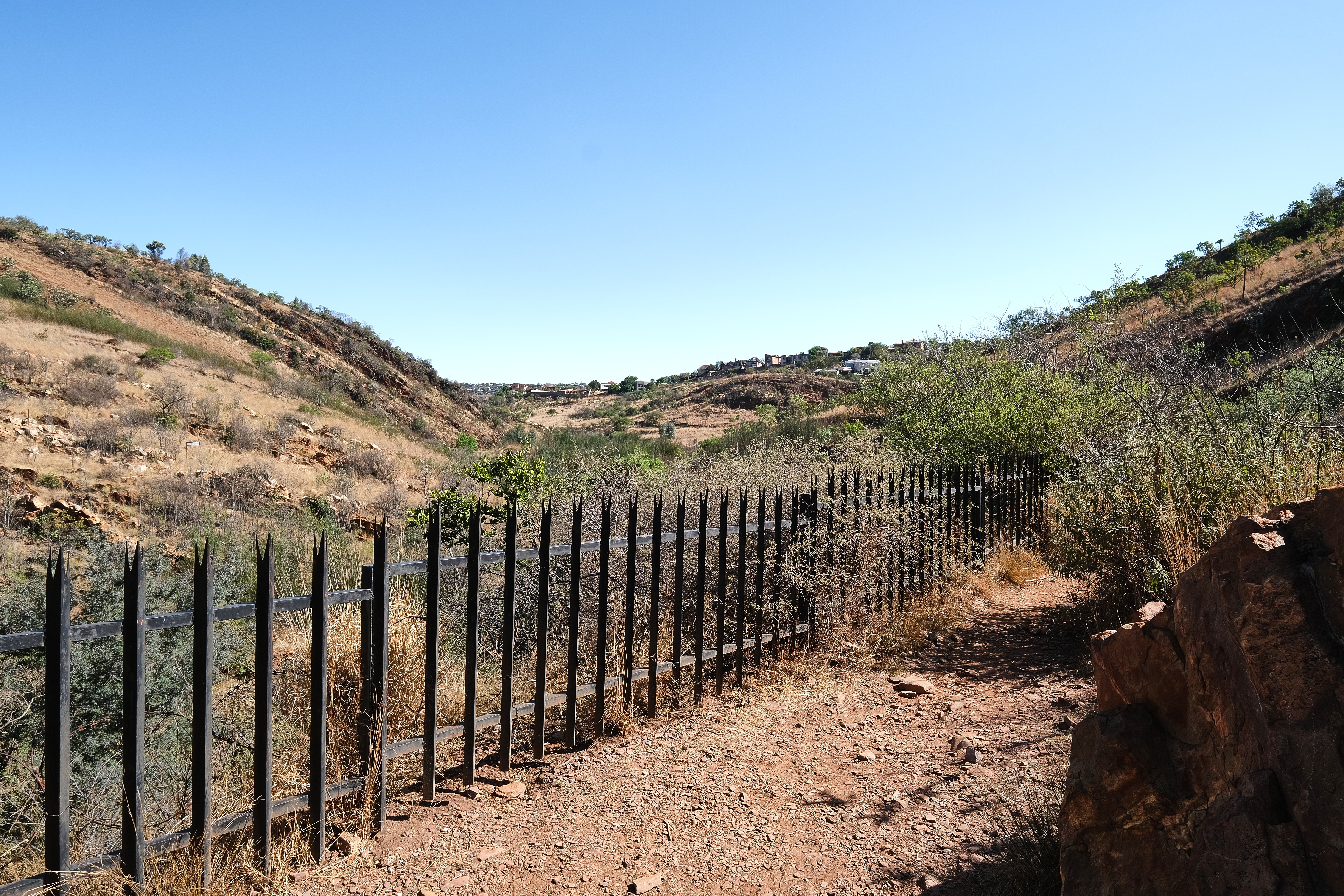
Visitors access the garden through designated entrances and a network of maintained walking trails. Most photography locations are reached via short walks from the main visitor facilities and picnic areas.