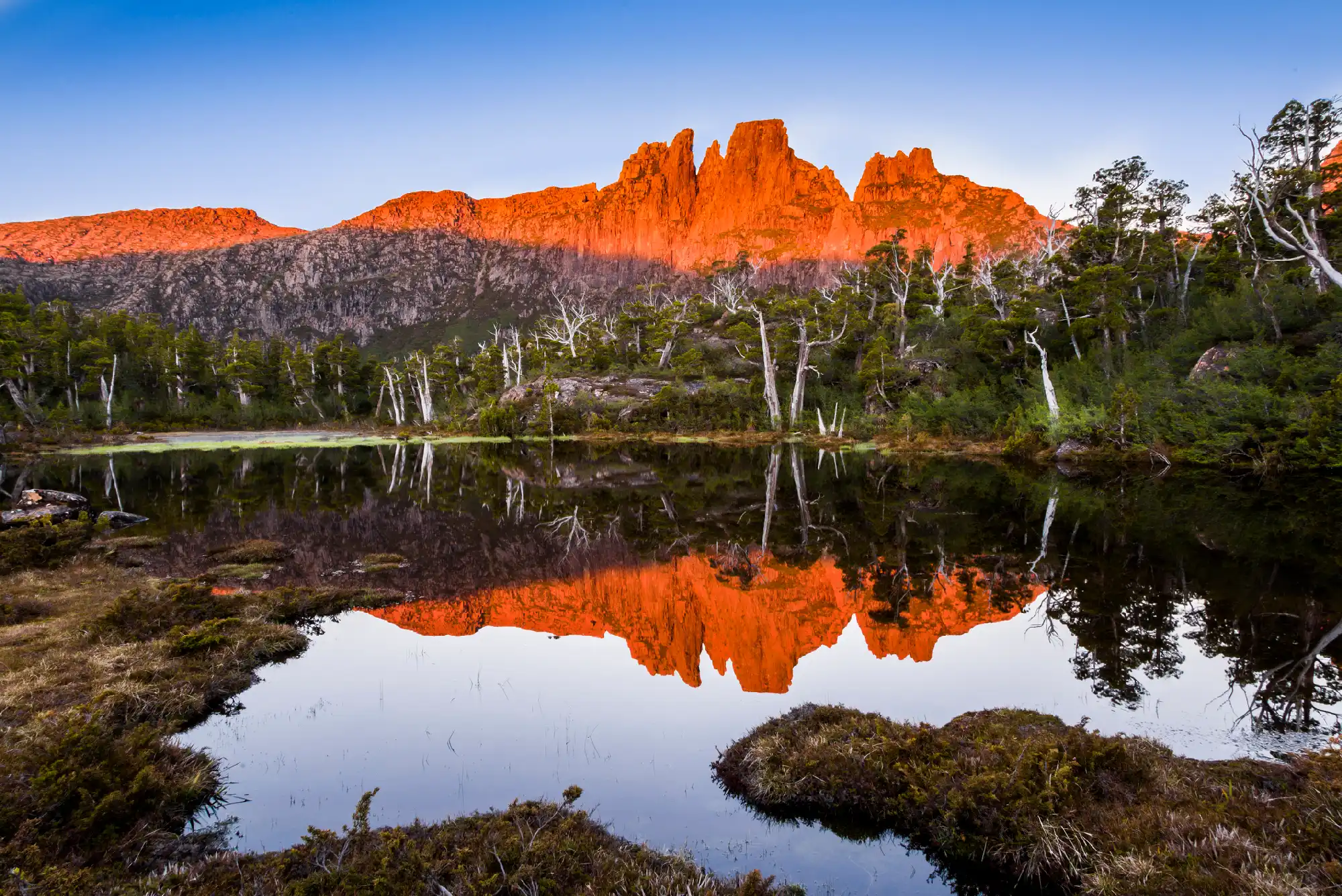
Excellent photography and very useful for broadening the Tasmania set beyond the classic Cradle Mountain views.
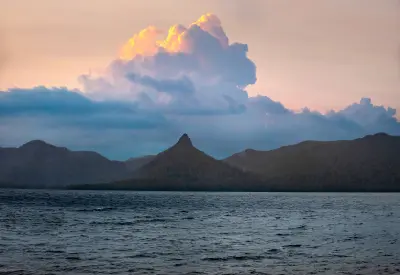
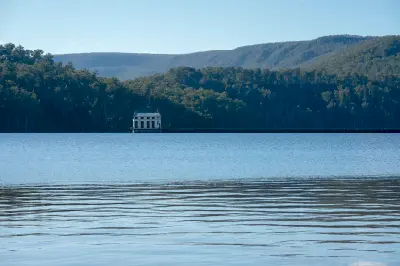
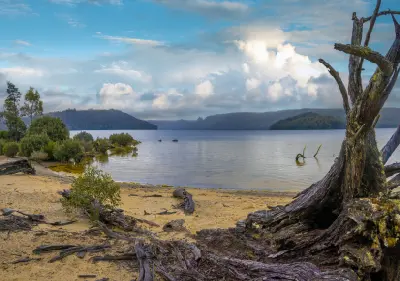
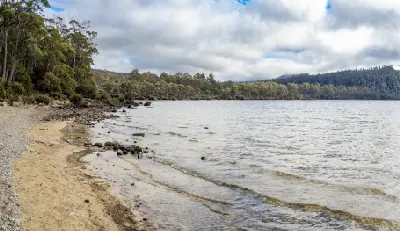
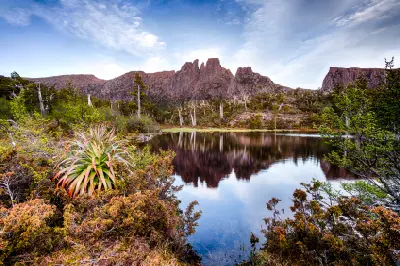
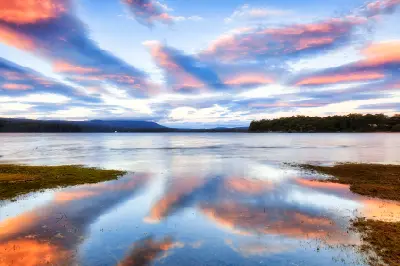
Lake St Clair is a deep glacial lake surrounded by forested mountains at the southern end of Cradle Mountain–Lake St Clair National Park. Carved by ancient glaciers, the lake extends through a long mountain valley bordered by temperate rainforest and rugged highland peaks. Its sheltered bays, forested shoreline and distant mountains provide quieter, more expansive compositions than the dramatic alpine scenery around Cradle Mountain. Mist and low cloud frequently add atmosphere across the water and surrounding wilderness.
-42.06578, 146.17517
Gallery
Quick Facts
Access
Roadside / Step-out
0–5 min
Elevation Gain
0 m
Best Light
Calm early light favours reflections across the lake, while mist and low cloud create atmospheric separation between the water, forest and surrounding mountains
Why This Light
Season
Seasonally Distinct
Summer brings longer daylight and greener forest, while autumn introduces subtle colour through surrounding vegetation. Winter can bring snow to the mountains above the lake, while spring combines fresh growth with highly variable weather.
Crowds
Often Busy
Restrictions
Lake St Clair is reached by paved road to the visitor area at Cynthia Bay, where shoreline viewpoints and walking tracks provide straightforward access to the lake. Longer trails extend into the surrounding national park and require considerably more time and preparation.