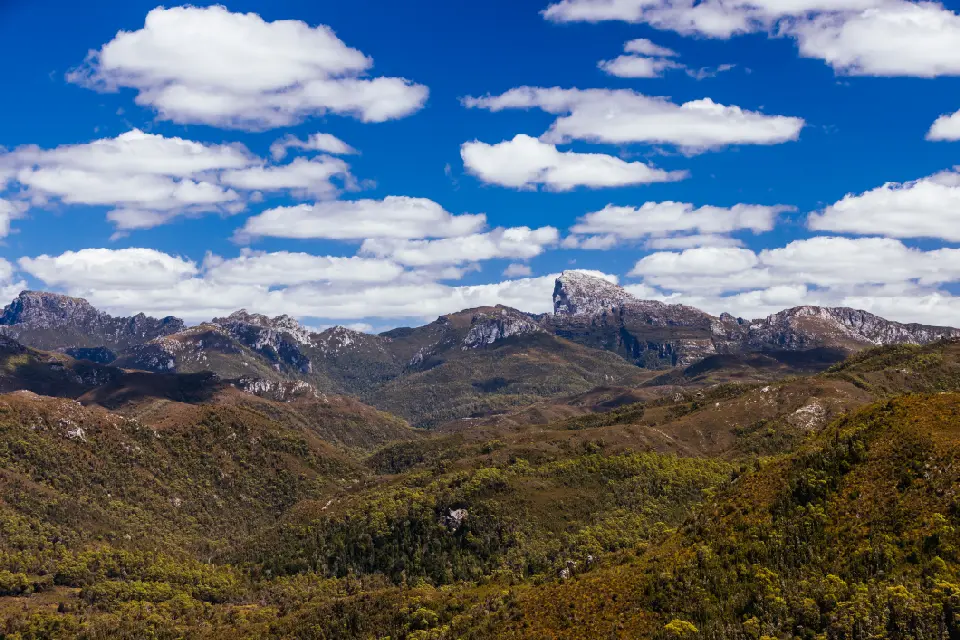
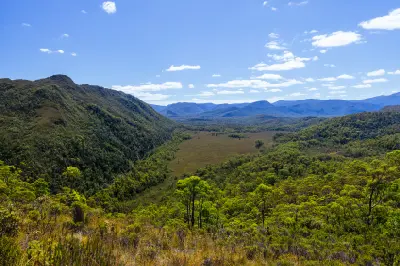
Frenchmans Cap and the surrounding wilderness viewed from Donaghys Hill in Franklin-Gordon Wild Rivers National Park, Tasmania.
Donaghys Hill is a forested summit and lookout in Franklin-Gordon Wild Rivers National Park, offering expansive views across Tasmania's western wilderness. From the elevated viewpoint, the Franklin River valley, surrounding rainforest and rugged peaks of the West Coast Range extend across the horizon. The combination of an accessible wilderness walk and broad mountain views makes it one of the park's strongest visitor-accessible landscape locations.
-42.19629, 145.93382
Gallery
Quick Facts
Access
Moderate Hike
45–90 min
Elevation Gain
250 m
Best Light
Low-angle light separates successive mountain ridges, while mist and broken cloud create depth across the rainforest and surrounding wilderness.
Why This Light
Season
Seasonally Distinct
Summer generally provides longer daylight and clearer views across the surrounding ranges. Autumn and winter bring frequent mist, rain and low cloud, while spring combines rapidly changing weather with lush vegetation throughout the rainforest.
Crowds
Usually Quiet
Restrictions
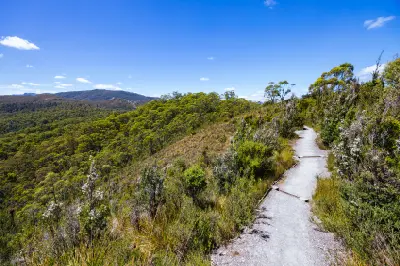
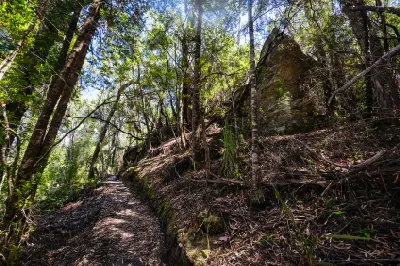
Donaghys Hill is reached from a trailhead beside the Lyell Highway within Franklin-Gordon Wild Rivers National Park. The established track climbs steadily through rainforest before reaching an exposed lookout with extensive wilderness views. Wet and muddy conditions are common, and cloud or heavy rain can obscure the surrounding mountains.