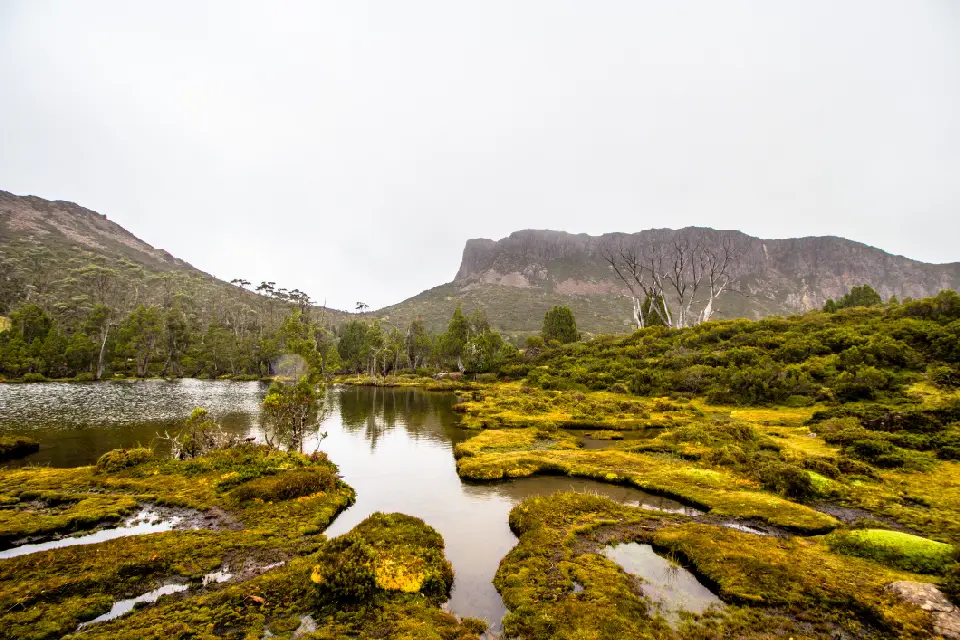
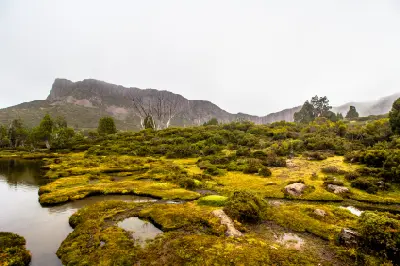
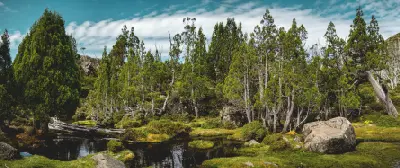
Pool of Bethesda beneath the dolerite cliffs of Walls of Jerusalem National Park, Tasmania.
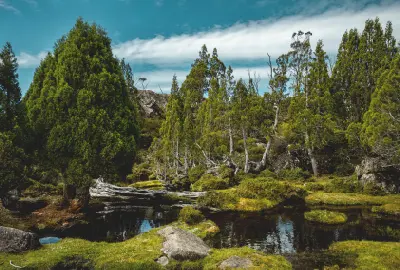
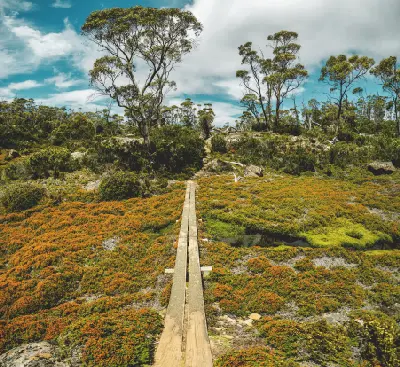
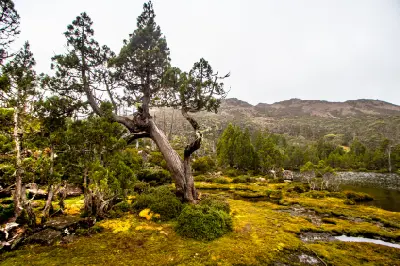
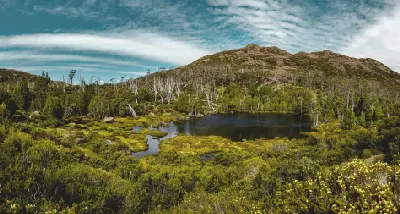
Walls of Jerusalem National Park is a remote alpine wilderness in Tasmania's Central Highlands, characterised by glacial valleys, dolerite peaks, tarns and extensive alpine vegetation. The park takes its name from the steep mountain walls enclosing its central basin, where landmarks such as Solomon's Throne and the Temple rise above lakes and moorland. Ancient pencil pines, cushion plants and exposed rock give the landscape a distinctly Tasmanian alpine character, while its lack of road access preserves a strong sense of isolation.
-41.89252, 146.22960
Gallery
Quick Facts
Access
Serious Hike
3+ hours
Elevation Gain
600 m
Best Light
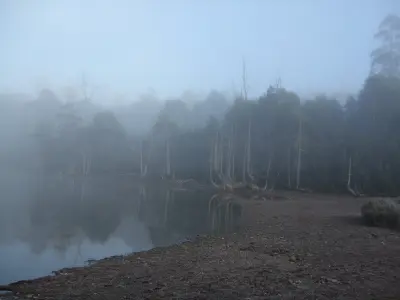
Low-angle light defines the dolerite peaks and glacial terrain, while calm conditions create reflections across alpine lakes and tarns.
Why This Light
Season
Seasonally Distinct
Summer provides longer daylight and generally easier hiking conditions, while autumn brings colder nights and changing alpine vegetation. Winter commonly brings snow and ice, while spring remains highly variable with lingering snow possible across the higher terrain.
Crowds
Usually Quiet
Restrictions
Low-angle light defines the dolerite peaks and glacial terrain, while calm conditions create reflections across alpine lakes and tarns.