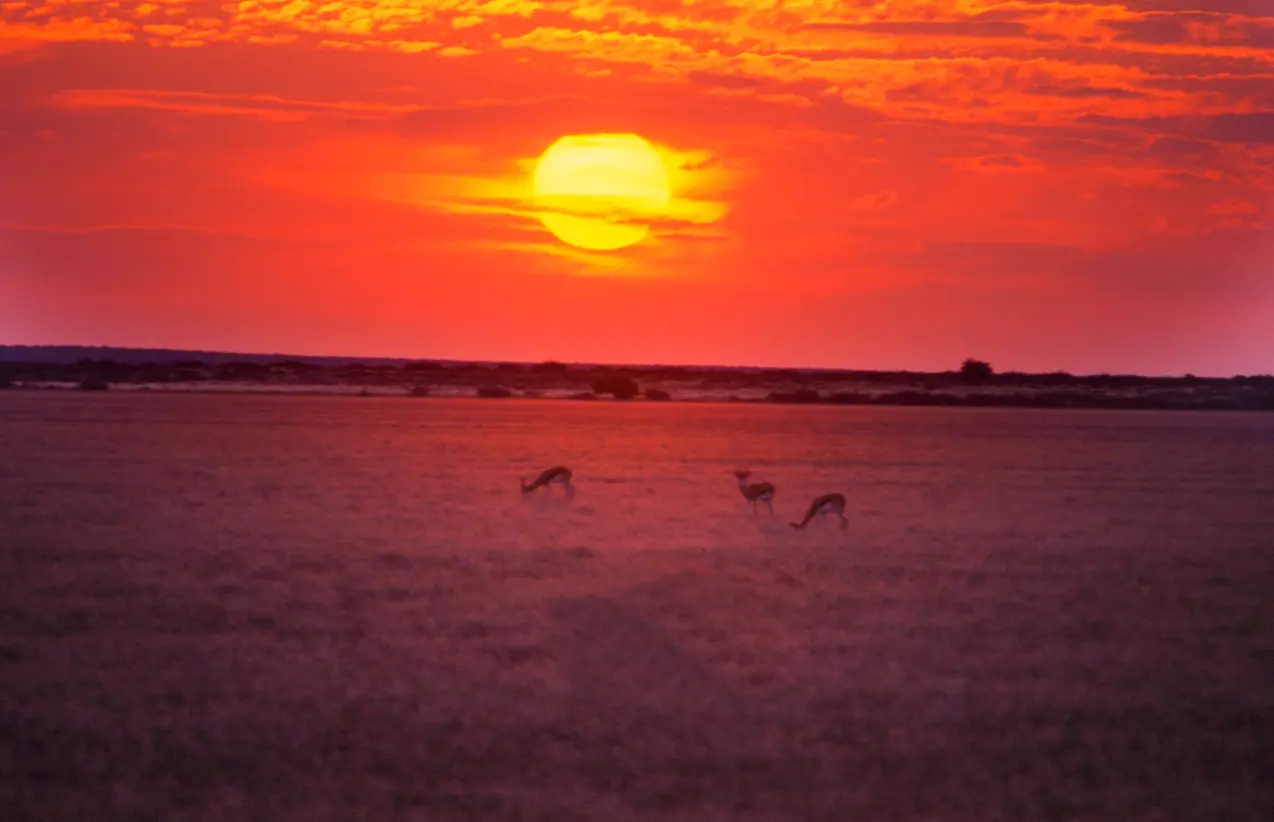
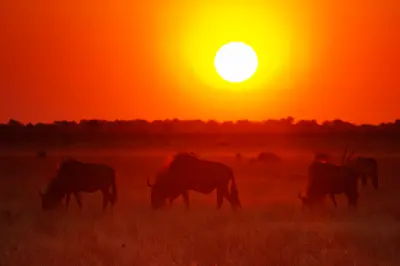
Sunset over Piper Pan in the Central Kalahari Game Reserve, Botswana, with antelope grazing across the open grasslands.
The Central Kalahari encompasses one of Africa's largest remaining wilderness landscapes, occupying the heart of Botswana's immense Kalahari Basin. Defined by open grasslands, fossil river valleys, ancient dune systems and seemingly endless horizons, the region preserves one of the continent's least disturbed semi-arid ecosystems. Its vast scale, remarkable isolation and subtle landscape textures create an environment unlike any other in Botswana. The landscape is shaped by ancient sand deposits, long-abandoned drainage systems and broad interior basins that have evolved over millions of years. Unlike the river-fed environments of northern Botswana, water here is scarce and highly seasonal, with rainfall briefly transforming open plains before the landscape returns to its characteristic dry-state. Fossil river valleys, shallow pans, scattered acacia trees and isolated waterholes provide the framework for wildlife across an otherwise expansive wilderness. Seasonal variation dramatically alters both the appearance of the landscape and the movement of wildlife. Winter produces dry grasslands, exceptional atmospheric clarity and vast open vistas, while summer rainfall brings fresh vegetation, seasonal wildflowers, temporary waterholes and some of the largest concentrations of herbivores within the reserve. Thunderstorms and changing desert light continually reshape the atmosphere across the Kalahari.
Gallery
Key POIs in Central Kalahari
Overview
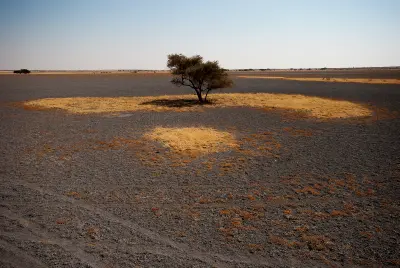
The Central Kalahari is structured around an immense interior basin where fossil river systems, ancient dune fields and seasonal grasslands extend across one of the largest protected areas in Africa. Deception Valley, Passarge Valley and numerous shallow pans preserve the remnants of ancient drainage systems that once carried water through the Kalahari, while today's landscape is shaped primarily by seasonal rainfall and long periods of aridity. Each landscape contributes a distinct character to the region. Deception Valley is renowned for its sweeping open plains and abundant wildlife following summer rains, while the wider Central Kalahari Game Reserve protects immense wilderness areas where rolling grasslands, isolated acacia trees and ancient fossil valleys dominate the scenery. Together these environments create one of Africa's purest expressions of open semi-arid wilderness. The visual structure of the region is defined by uninterrupted horizons, gently rolling terrain and isolated landscape features emerging from vast grass-covered plains. Solitary trees, fossil river channels, distant dunes and seasonal pans create simple yet powerful compositions, while dramatic skies, dust, thunderstorms and changing desert light continually transform the landscape throughout the year.
Key photography subjects
- Endless grasslands and semi-arid wilderness landscapes
- Fossil river valleys and ancient drainage systems
- Deception Valley, seasonal pans and open plains
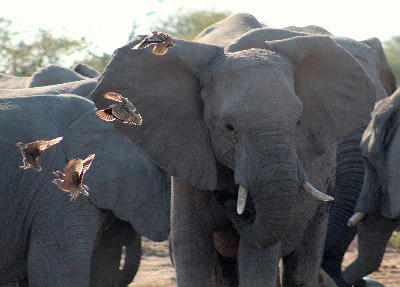
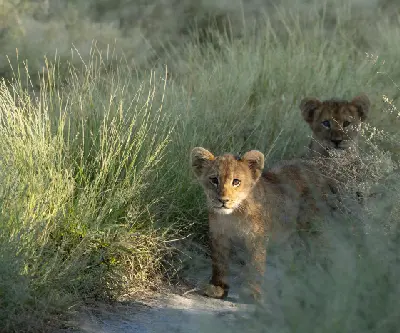
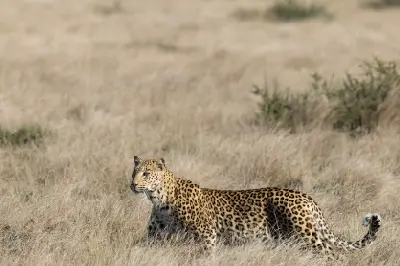
- Desert-adapted wildlife and predator interactions
- Solitary acacia trees and minimalist compositions
- Thunderstorms, dust and expansive desert horizons
- Sunrise, sunset and dramatic Kalahari light