Cederberg Mountains, Western Cape, South Africa

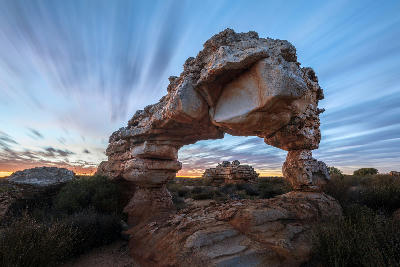
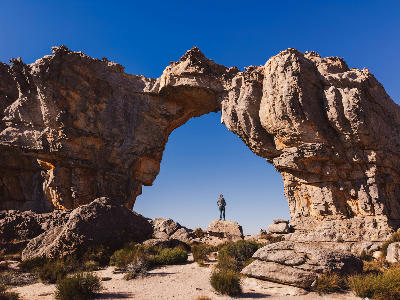
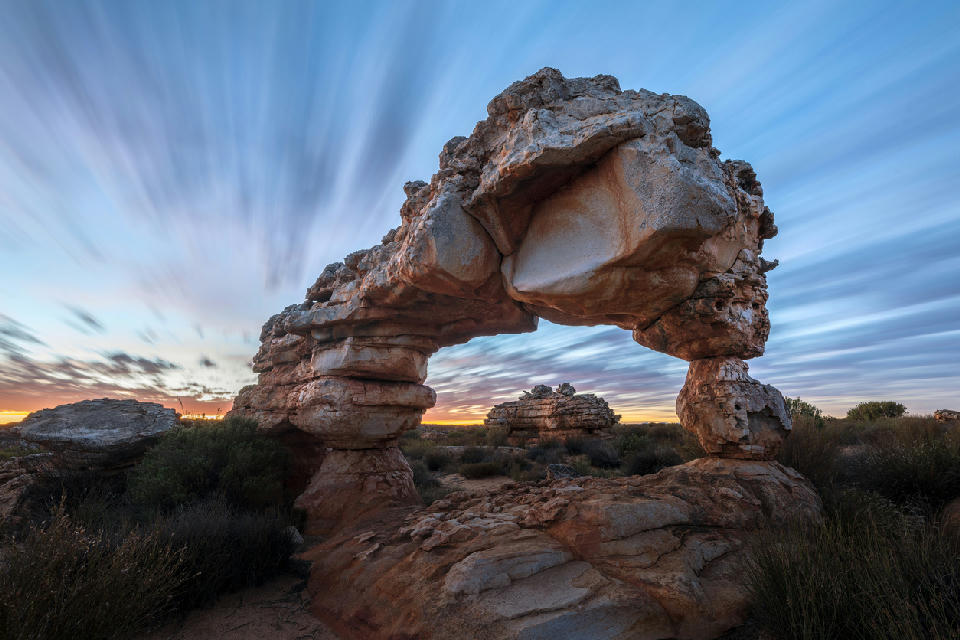
    Rock arch in the Cederberg Mountains before sunrise, with fast-moving clouds crossing a deep blue sky and highlighting the rugged sandstone formations of the Western Cape interior.

    Cederberg

    The Cederberg is one of South Africa’s most distinctive mountain regions, known for its dramatic sandstone formations, rugged wilderness, ancient rock art, and remote landscapes. Located north of Cape Town, the region combines towering rock formations, deep valleys, mountain plateaus, and winding gravel roads that lead into some of the Western Cape’s most spectacular scenery.

    The landscape feels both wild and timeless. Massive sandstone cliffs rise above fynbos-covered slopes, isolated peaks dominate the skyline, and unusual rock formations create natural landmarks throughout the mountains. The sense of remoteness is part of the appeal, with many areas feeling far removed from modern development.

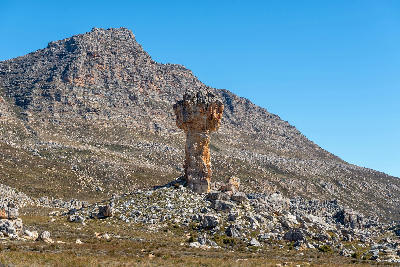
    From famous locations such as Wolfberg Arch, Maltese Cross, and Algeria to hidden valleys and mountain passes, the Cederberg offers an extraordinary variety of photographic opportunities. Whether exploring dramatic mountain landscapes, ancient cultural sites, or night skies above the wilderness, the region rewards photographers in every season.

    Geographic discovery

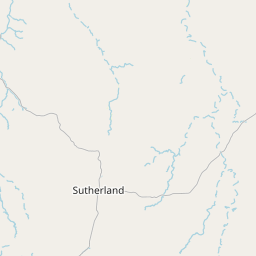
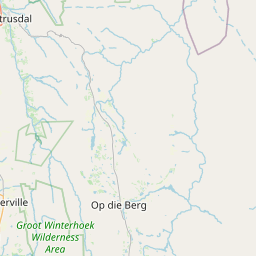
    Explore Cederberg by Area

    Choose a part of the Cederberg to discover its landscapes, photographic character, and locations.

    Open interactive Explore

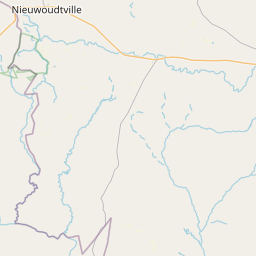
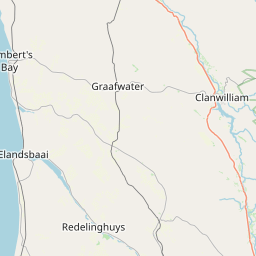
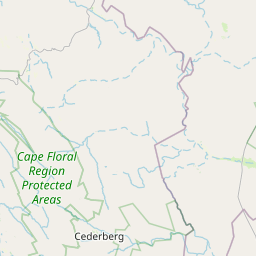
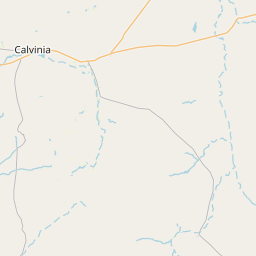
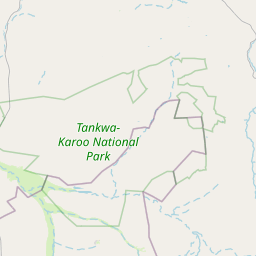
    Explore Areas in Cederberg

    Open in Explore
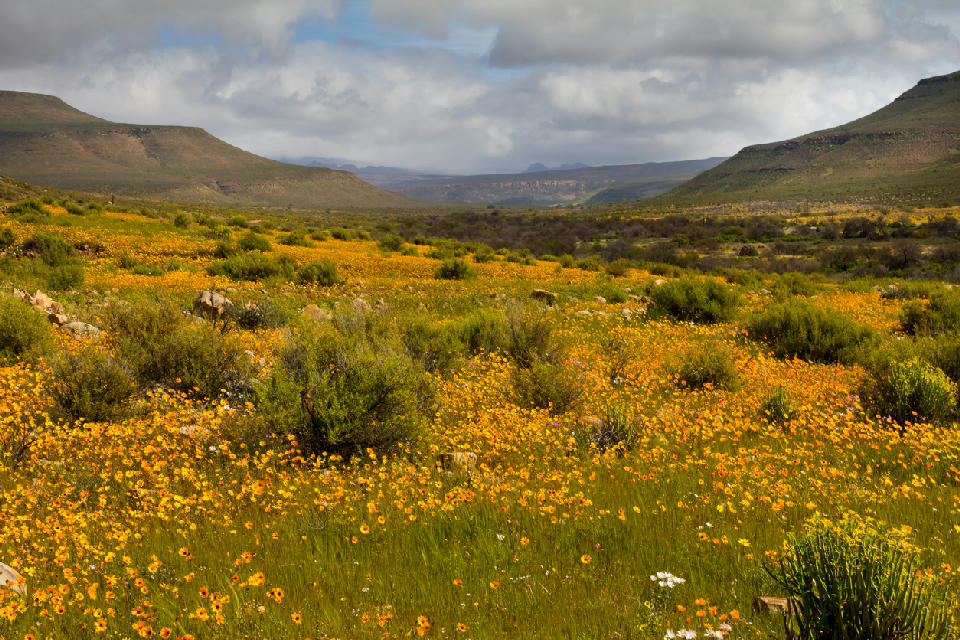
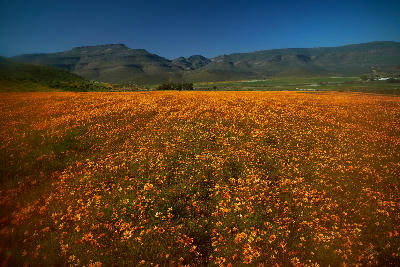
    Spring wildflowers carpet the Biedouw Valley beneath layered mountain ridges and dramatic clouds in the northern Cederberg of South Africa.

    Biedouw Valley & Wildflowers

    Biedouw Valley lies along the northern edge of the Cederberg, where wide open plains meet sandstone mountains and rolling foothills. The landscape feels larger and more open than much of the central Cederberg, with long views across valleys framed by distant ridges and broad skies stretching above the surrounding countryside. Photographically, the region is at its best during the annual wildflower season when the valley floor becomes covered in colourful displays of daisies and other flowering species. During good years, entire sections of the landscape are transformed into sweeping carpets of yellow, orange, purple, and white flowers. The surrounding mountains provide scale and structure, helping create some of the Western Cape's most iconic spring landscape scenes. Light and weather play an important role throughout the flowering season. Early mornings often bring softer light and calm conditions, while late afternoon sun adds warmth and depth to the landscape. Even outside the flower season, the valley offers rewarding opportunities for landscape photography, with open views, dramatic skies, and the rugged scenery that defines the northern Cederberg.

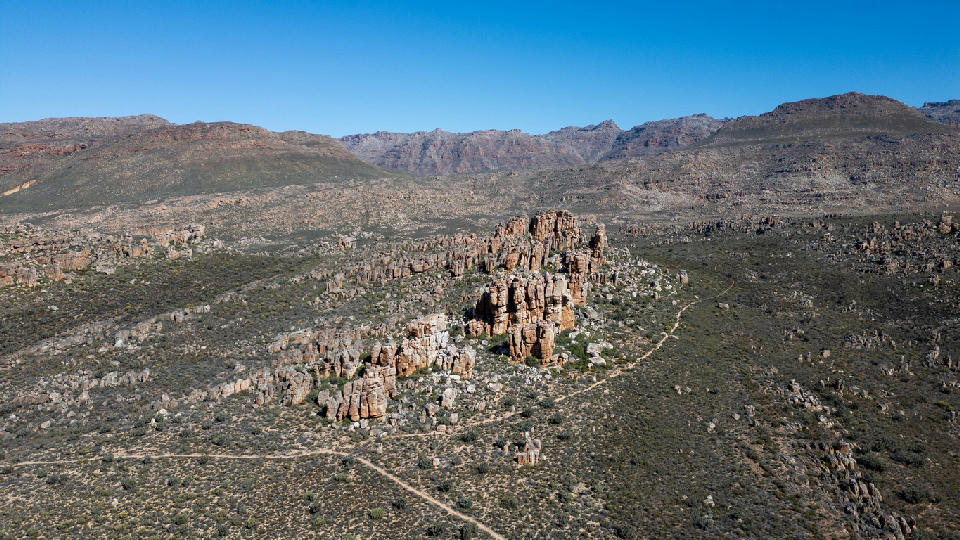
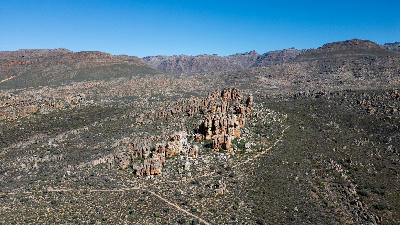
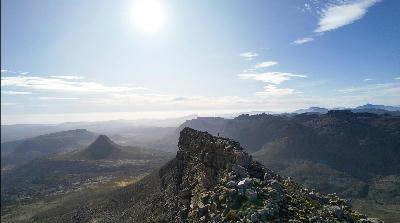
    Aerial landscape of rugged sandstone rock formations, mountain ridges, and remote wilderness terrain in the Central Cederberg region of South Africa.

    Central Cederberg Wilderness

    The Central Cederberg occupies the mountainous core of the Cederberg range, where layers of ancient sandstone have been sculpted into cliffs, towers, arches, valleys, and plateaus over millions of years. The result is a highly distinctive mountain landscape unlike anywhere else in South Africa. Photographically, the region offers exceptional variety. Towering sandstone formations provide powerful focal points within wider landscapes, while elevated viewpoints reveal networks of valleys, ridges, and wilderness terrain extending toward the horizon. Famous locations such as Wolfberg Arch, Wolfberg Cracks, Maltese Cross, Stadsaal, and Truitjieskraal all showcase different aspects of the geological character that defines the mountains. Light plays a central role throughout the wilderness. Sunrise and sunset bring warmth to the sandstone formations, while changing weather conditions add atmosphere and scale to the mountain scenery. Throughout the year, shifting light and shadow continually transform the appearance of the cliffs, valleys, and rock formations, creating a landscape that rewards repeated visits.

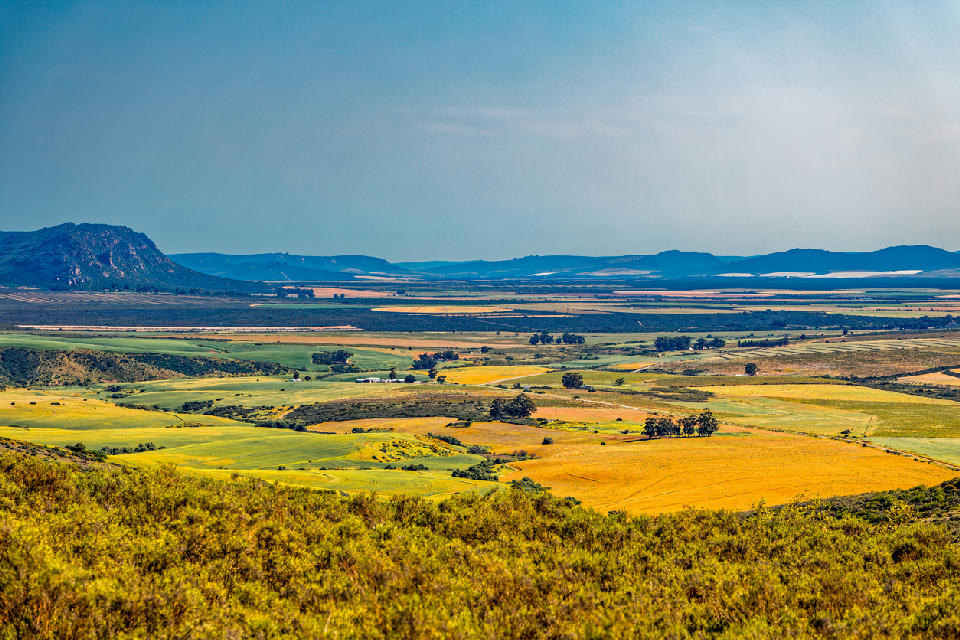
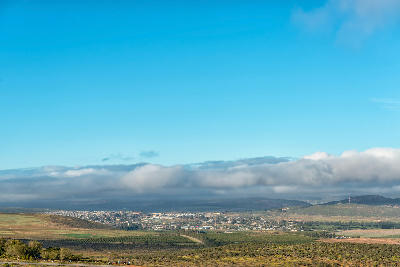
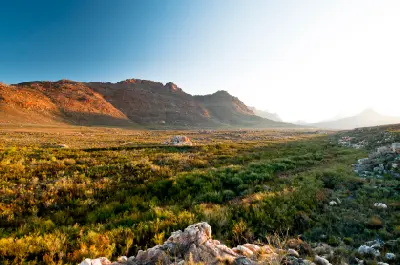
    Panoramic view of agricultural fields, fynbos-covered hills and distant mountains near Clanwilliam in the Cederberg Foothills of the Western Cape, South Africa.

    Clanwilliam & Cederberg Foothills

    The Clanwilliam and Cederberg foothills occupy the transition zone between the cultivated valleys of the Olifants River system and the rugged sandstone mountains that define the Cederberg. Broad plains, rolling foothills, rivers, and reservoirs create a varied landscape where agriculture and wilderness exist side by side. Photographically, the region offers a different character to the more dramatic mountain landscapes deeper within the Cederberg. Agricultural patterns, river systems, orchards, and open valley floors create strong foreground elements, while distant ridges and sandstone mountains provide depth and scale. The result is a landscape built around layering, contrast, and long views. Seasonal change is one of the defining features of the area. Winter rains bring green hillsides and flowing rivers, spring introduces colourful wildflowers across sections of the landscape, and summer creates warm tones across the valleys and foothills. Throughout the year, changing light and weather conditions continually reshape the appearance of the surrounding mountains and agricultural plains.

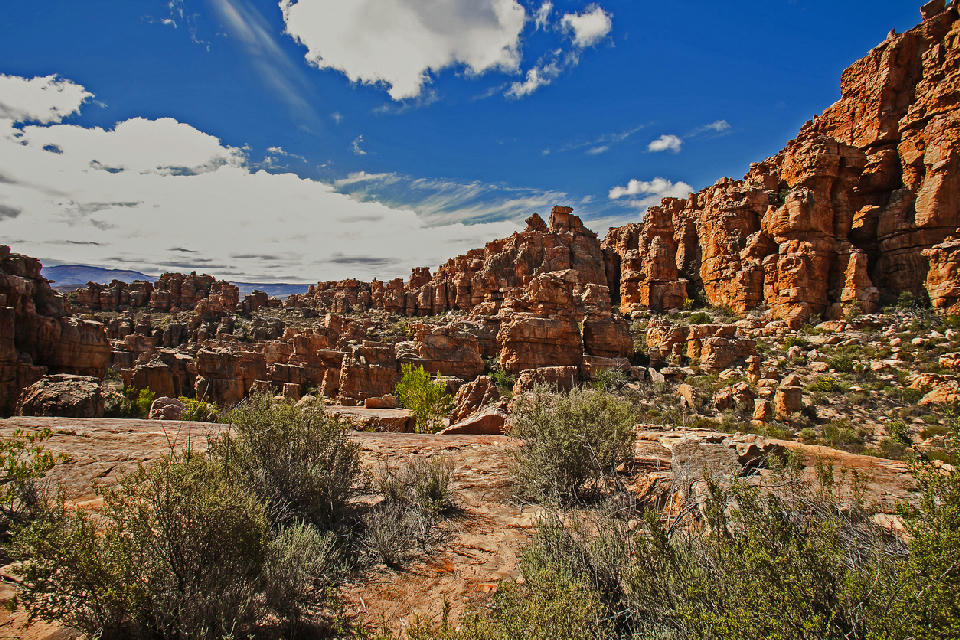
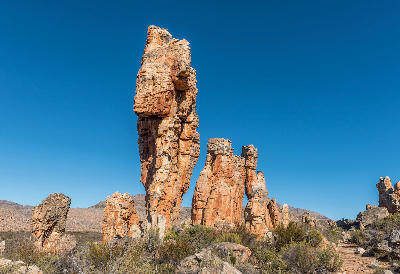
    Dramatic sandstone rock formations at Truitjieskraal in the Cederberg Mountains, South Africa.

    Sevilla Rock Art & Sandstone Valleys

    The Sevilla region lies within a network of sandstone valleys and mountain landscapes along the northern Cederberg. Over thousands of years, wind and water have shaped the rock into cliffs, towers, overhangs, and rugged formations that now define much of the scenery. These sheltered sandstone environments also preserve some of the most important rock art sites in the region. Photographically, the area offers an appealing mix of landscape, texture, and cultural subjects. The rock art sites provide opportunities to photograph ancient artwork within its natural setting, while the surrounding valleys reveal dramatic sandstone formations, rocky slopes, and expansive mountain views. The contrast between detailed subjects and larger landscapes makes the area particularly rewarding to explore on foot. Light changes the character of the landscape throughout the day. Early morning and late afternoon conditions bring warmth and depth to the sandstone formations, while shifting shadows reveal texture across the cliffs and valleys. The result is a landscape that rewards both close observation and wider landscape photography.

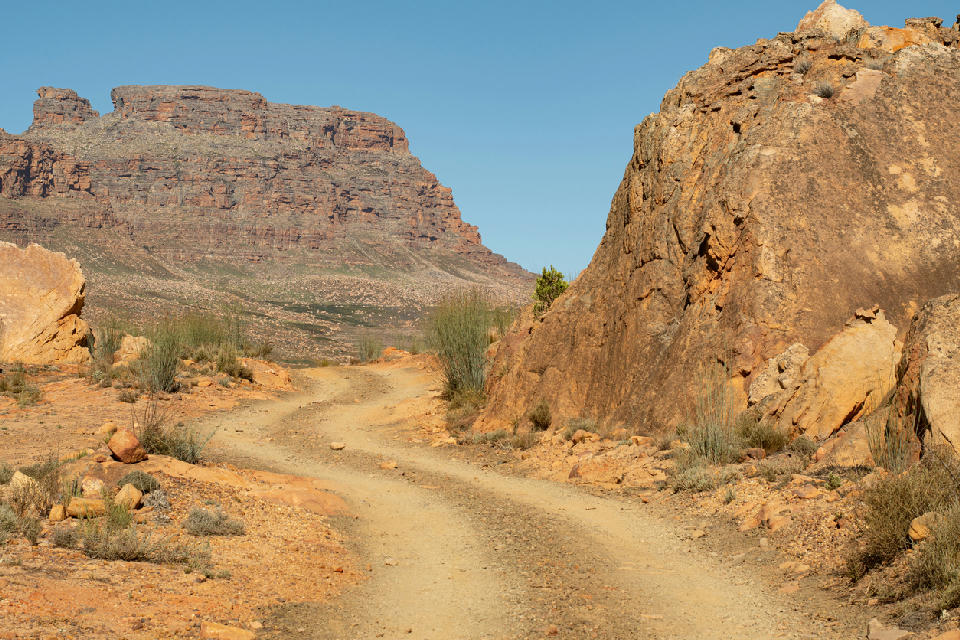
    Gravel road on Eselbank Pass between Wupperthal and Eselbank in the northern Cederberg Mountains, South Africa.

    Wupperthal & Mission Settlements

    The Wupperthal region occupies a remote network of valleys and mountain passes in the northern Cederberg. Rugged sandstone ridges, rocky slopes, and isolated settlements define a landscape shaped by both natural forces and centuries of human history. The Moravian mission settlement of Wupperthal remains the cultural heart of the region, preserving a distinctive architectural and historical character rarely found elsewhere in the Western Cape. Photographically, the area offers a compelling combination of landscape and cultural subjects. Historic buildings, mission architecture, stone structures, and village scenes provide focal points within wider mountain landscapes, while remote roads and valleys reveal the isolation that has shaped life in the region for generations. The surrounding mountains add scale and drama, creating strong contrasts between human settlement and wilderness terrain. Light and weather play an important role throughout the year. Warm sandstone tones, changing mountain conditions, and the soft light often found within the valleys contribute to a landscape rich in atmosphere, texture, and storytelling opportunities.

    Photographic journey

    Cederberg Photography Route

    Cederberg Route · 21 stops

    Quiver tree in golden evening light at Gannabos Quiver Tree Forest near Nieuwoudtville in the Northern Cape, South Africa.01

    Gannabos Quiver Tree Forest

    Gannabos Quiver Tree Forest is a unique arid landscape near Nieuwoudtville in South Africa’s Northern Cape, known for dense stands of quiver trees, seasonal wildflowers, and expansive views across the Bokkeveld Plateau. The site combines striking aloe silhouettes, open semi-desert scenery, and dramatic seasonal colour within one of South Africa’s most distinctive botanical landscapes.

    Gravel road on Eselbank Pass between Wupperthal and Eselbank in the northern Cederberg Mountains, South Africa.05

    Wupperthal & Mission Settlements

    The Wupperthal region occupies a remote network of valleys and mountain passes in the northern Cederberg. Rugged sandstone ridges, rocky slopes, and isolated settlements define a landscape shaped by both natural forces and centuries of human history. The Moravian mission settlement of Wupperthal remains the cultural heart of the region, preserving a distinctive architectural and historical character rarely found elsewhere in the Western Cape. Photographically, the area offers a compelling combination of landscape and cultural subjects. Historic buildings, mission architecture, stone structures, and village scenes provide focal points within wider mountain landscapes, while remote roads and valleys reveal the isolation that has shaped life in the region for generations. The surrounding mountains add scale and drama, creating strong contrasts between human settlement and wilderness terrain. Light and weather play an important role throughout the year. Warm sandstone tones, changing mountain conditions, and the soft light often found within the valleys contribute to a landscape rich in atmosphere, texture, and storytelling opportunities.

    View of Clanwilliam and surrounding farmlands from Pakhuis Pass in the Cederberg region of South Africa.09

    Clanwilliam

    Clanwilliam is a historic town at the foot of the Cederberg mountains in South Africa’s Western Cape, known for rooibos tea production, mountain scenery, and its role as the gateway to the Cederberg wilderness. The town occupies a fertile valley surrounded by agricultural landscapes, sandstone ridges, and the Olifants River basin.

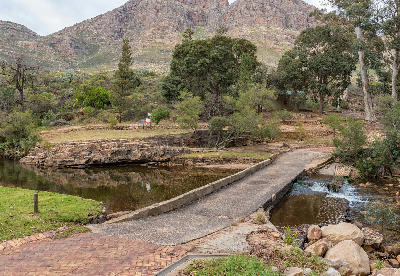
    Low-water bridge crossing the Palmiet River at Algeria in the Cederberg Mountains, surrounded by indigenous trees and rugged sandstone cliffs in the Western Cape, South Africa.13

    Algeria

    Algeria is a well-known wilderness gateway in South Africa’s Cederberg region, known for mountain rivers, shaded campsites, and access to some of the area’s most iconic hiking routes. The landscape combines rugged sandstone mountains, indigenous vegetation, and flowing river corridors within the heart of the Cederberg Wilderness.

    Aerial landscape of rugged sandstone rock formations, mountain ridges, and remote wilderness terrain in the Central Cederberg region of South Africa.17

    Central Cederberg Wilderness

    The Central Cederberg occupies the mountainous core of the Cederberg range, where layers of ancient sandstone have been sculpted into cliffs, towers, arches, valleys, and plateaus over millions of years. The result is a highly distinctive mountain landscape unlike anywhere else in South Africa. Photographically, the region offers exceptional variety. Towering sandstone formations provide powerful focal points within wider landscapes, while elevated viewpoints reveal networks of valleys, ridges, and wilderness terrain extending toward the horizon. Famous locations such as Wolfberg Arch, Wolfberg Cracks, Maltese Cross, Stadsaal, and Truitjieskraal all showcase different aspects of the geological character that defines the mountains. Light plays a central role throughout the wilderness. Sunrise and sunset bring warmth to the sandstone formations, while changing weather conditions add atmosphere and scale to the mountain scenery. Throughout the year, shifting light and shadow continually transform the appearance of the cliffs, valleys, and rock formations, creating a landscape that rewards repeated visits.

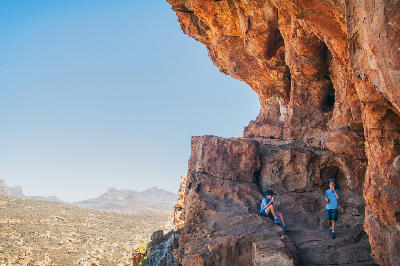
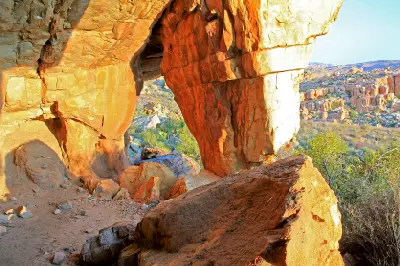
    Two young visitors resting beneath a massive sandstone overhang at Truitjieskraal in the Cederberg Wilderness Area, overlooking rugged mountain landscapes and the distant Sneeuberg peaks in the Western Cape, South Africa.21

    Truitjieskraal

    Truitjieskraal is a distinctive sandstone formation area in South Africa’s Cederberg Wilderness, known for weathered rock shelters, sculpted sandstone formations, natural overhangs, and rugged mountain scenery. The area contains a concentration of eroded sandstone features that create one of the most accessible geological photography locations in the central Cederberg.

    Explore the Full Cederberg Route21 stops across the Cederberg

    Overview

    The Cederberg Mountains form a rugged wilderness region of sandstone peaks, deep valleys, rocky plateaus, and protected natural landscapes. Much of the area lies within nature reserves and conservation areas, preserving the wild character that makes the region one of South Africa’s premier mountain photography destinations.

    Photographically, the Cederberg is defined by shape, texture, and scale. Towering rock formations create striking focal points throughout the landscape, while mountain passes, valleys, and elevated viewpoints reveal sweeping views across the surrounding wilderness. Locations such as Wolfberg Arch, Maltese Cross, Stadsaal Caves, and the Sevilla Rock Art Trail showcase the remarkable diversity of the region.

    Light plays a major role across the mountains. Sunrise and sunset bring warm tones to the sandstone cliffs, while winter storms can transform the landscape with dramatic skies and changing weather. Clear air, low levels of development, and vast open spaces also make the Cederberg an exceptional destination for astrophotography and night-sky landscapes.
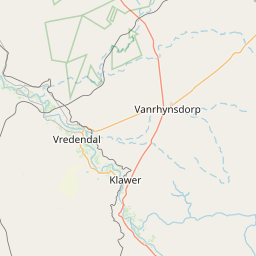
    Key Photography Subjects

    • Sandstone rock formations such as Wolfberg Arch and Maltese Cross
    • Rugged mountain landscapes and remote wilderness scenery
    • Deep valleys, mountain passes, and elevated viewpoints
    • Ancient San rock art sites and cultural landscapes
    • Fynbos-covered slopes beneath dramatic sandstone cliffs
    • Sunrise and sunset light illuminating the mountains
    • Dark skies and astrophotography above the Cederberg wilderness

    Gallery

    Workshops in Cederberg

    No upcoming workshops scheduled for Cederberg at this time.

    Check back soon or explore other destinations.