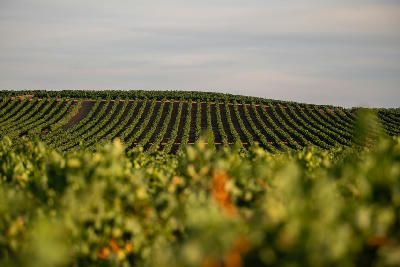
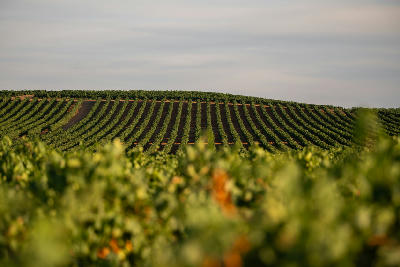
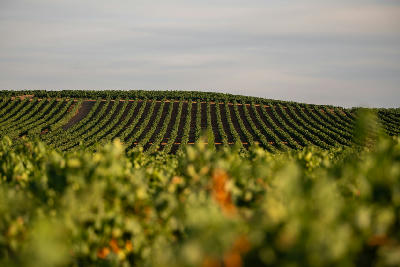
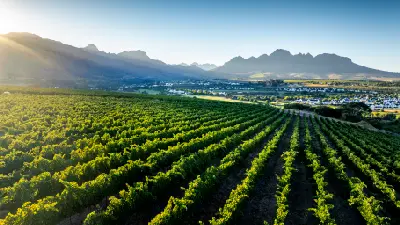
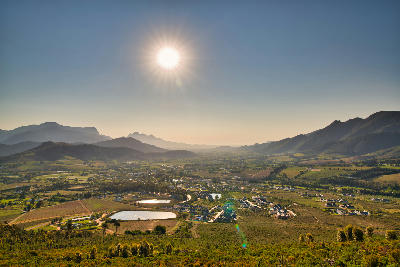
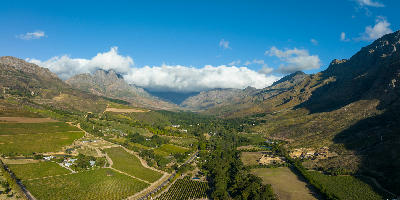
Vineyards at sunrise in the Stellenbosch wine region, Western Cape, South Africa.

    Sunrise over vineyards in the Stellenbosch wine region with mountain ranges in the background, Western Cape, South Africa.

    Cape Winelands

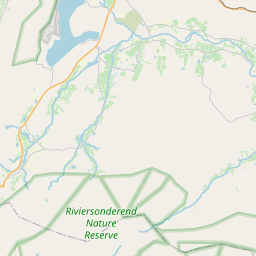
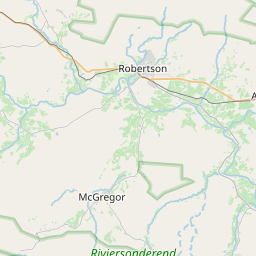
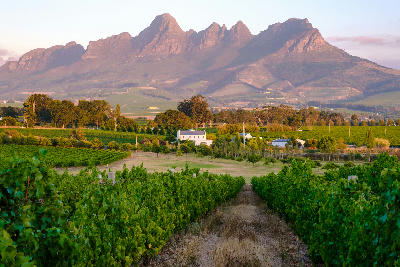
    The Cape Winelands is an inland valley system in the Western Cape defined by vineyard landscapes framed by steep mountain ranges. The region includes the valleys of Stellenbosch, Franschhoek, Paarl, and Wellington, where agricultural plains sit between granite and sandstone mountain massifs. Its landscape combines cultivated terrain, historic towns, and sharply rising ridgelines.

    The terrain transitions between vineyard-covered valley floors, rolling foothills, and rugged mountain escarpments. Rivers and alluvial plains form natural agricultural corridors, while surrounding peaks create enclosed basin-like landscapes.

    Seasonal variation influences vineyard colour, vegetation patterns, and atmospheric clarity, contributing to shifts in texture and tonal contrast throughout the year.

    Geographic discovery

    Explore Cape Winelands by Area

    Choose a part of the Cape Winelands to discover its landscapes, photographic character, and locations.

    Open interactive Explore

    Explore Areas in Cape Winelands

    Open in Explore
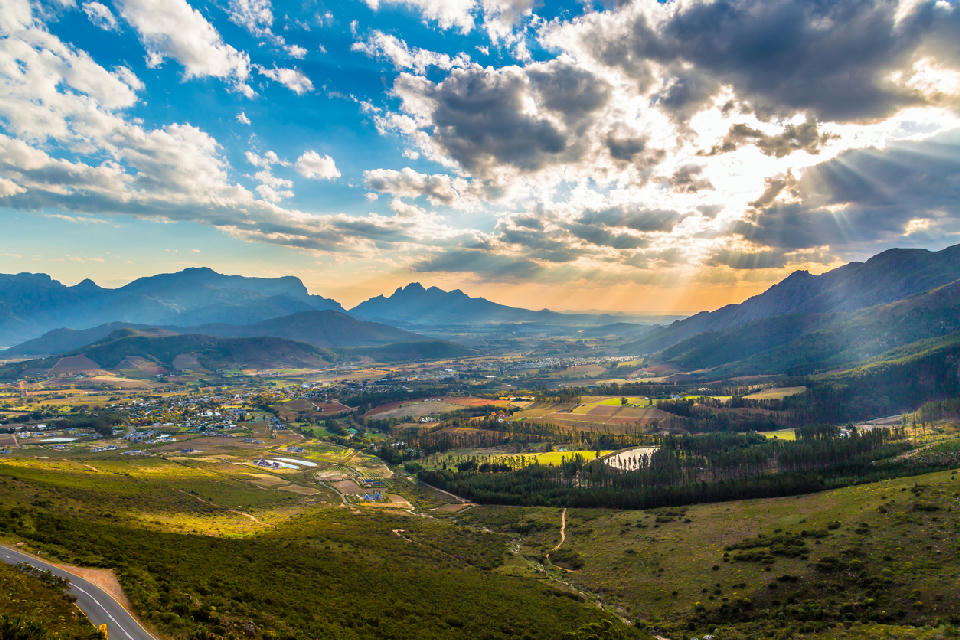
    Scenic aerial view of Franschhoek village with vineyards, valleys and mountain ranges in the Cape Winelands of South Africa.

    Franschhoek

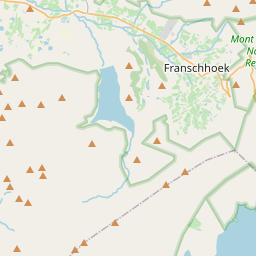
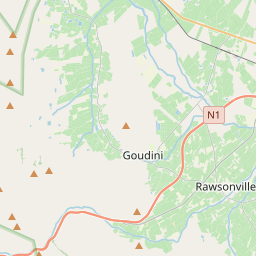
    Franschhoek functions as a contained agricultural valley within the broader Cape Winelands landscape system. Steep mountain ranges surround the valley, creating a narrow basin where vineyards and rural settlements occupy the lower terrain. Cultivated land extends across the valley floor and lower slopes, while forested mountains and rocky escarpments dominate higher elevations. Agricultural estates and small settlements align along river systems and transport corridors running through the basin. The visual structure of the valley is defined by the contrast between ordered vineyard patterns and the enclosing mountain terrain, producing layered compositions across plains, foothills, and surrounding ridgelines.

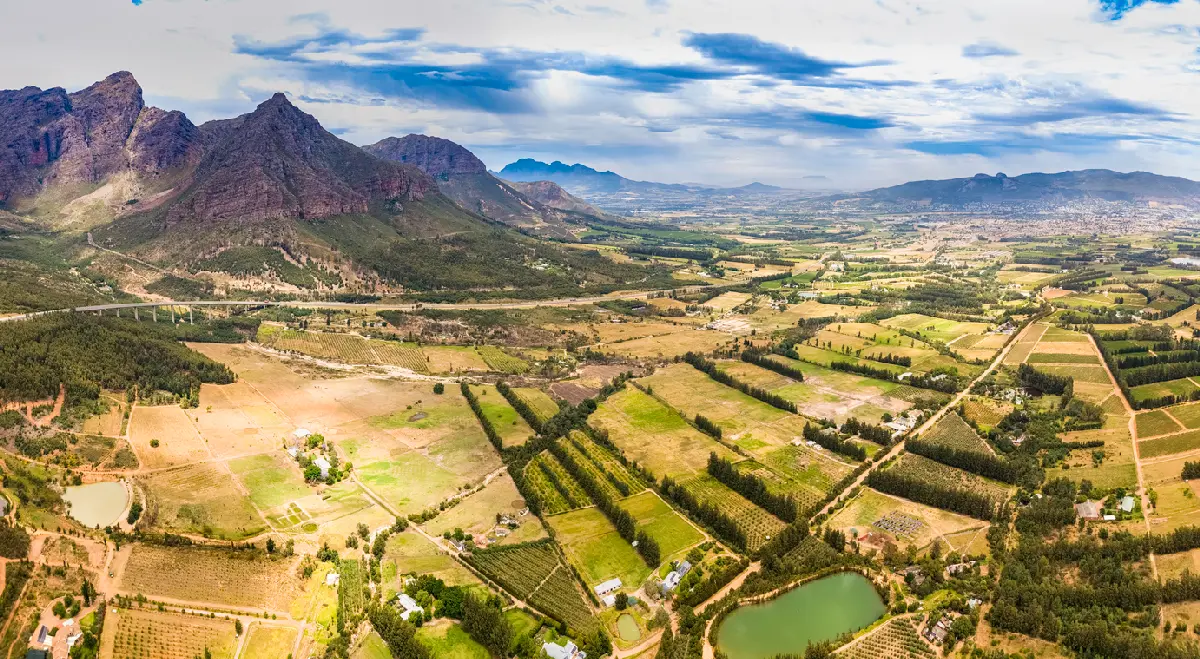
    Panoramic aerial view of Paarl Valley vineyards and farmland near Du Toitskloof Pass in the Cape Winelands, Western Cape, South Africa.

    Paarl

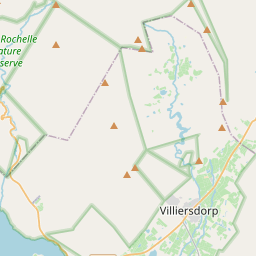
    Paarl forms one of the principal agricultural valleys within the Cape Winelands landscape system. Mountain ranges and granite domes frame the valley, creating a contained basin where vineyards, orchards, and rural settlements occupy the lower terrain. Cultivated land extends across the valley floor and lower slopes, while exposed granite formations and forested hills dominate the higher elevations. Agricultural estates and settlements follow the Berg River corridor and associated transport routes running through the valley. The visual structure of the valley is defined by the contrast between ordered agricultural patterns and the prominent granite landscapes surrounding them, producing layered compositions across plains, foothills, and elevated ridgelines.

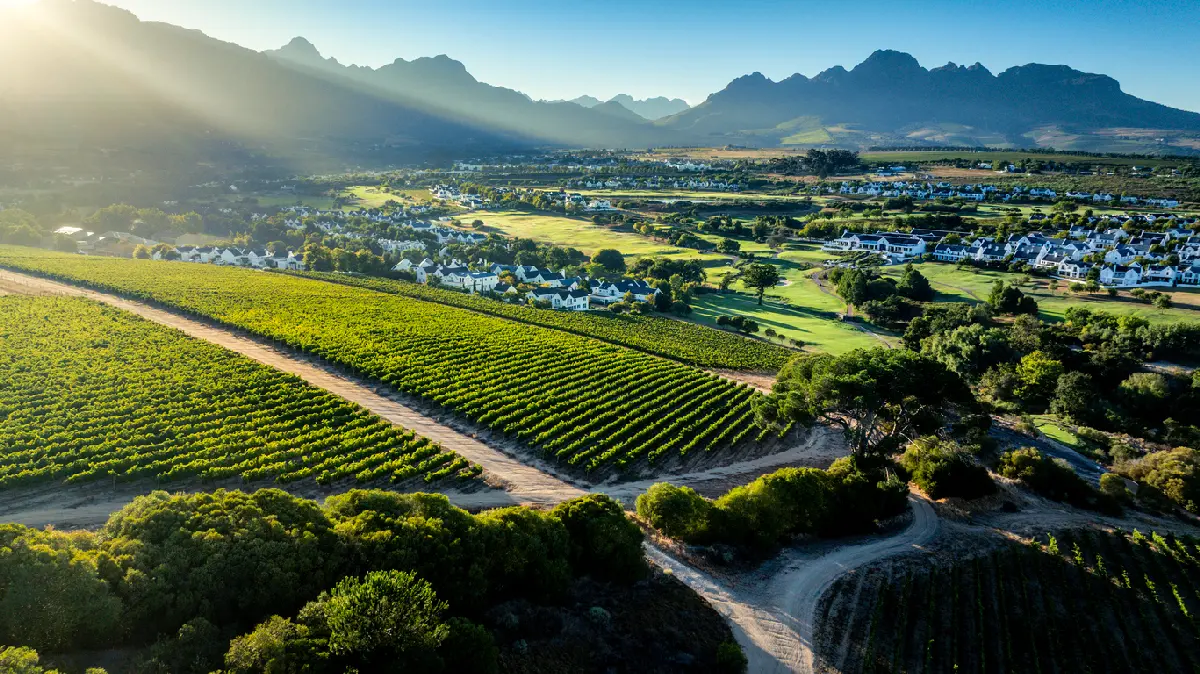
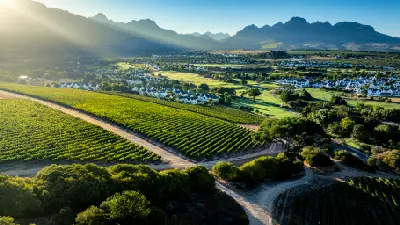
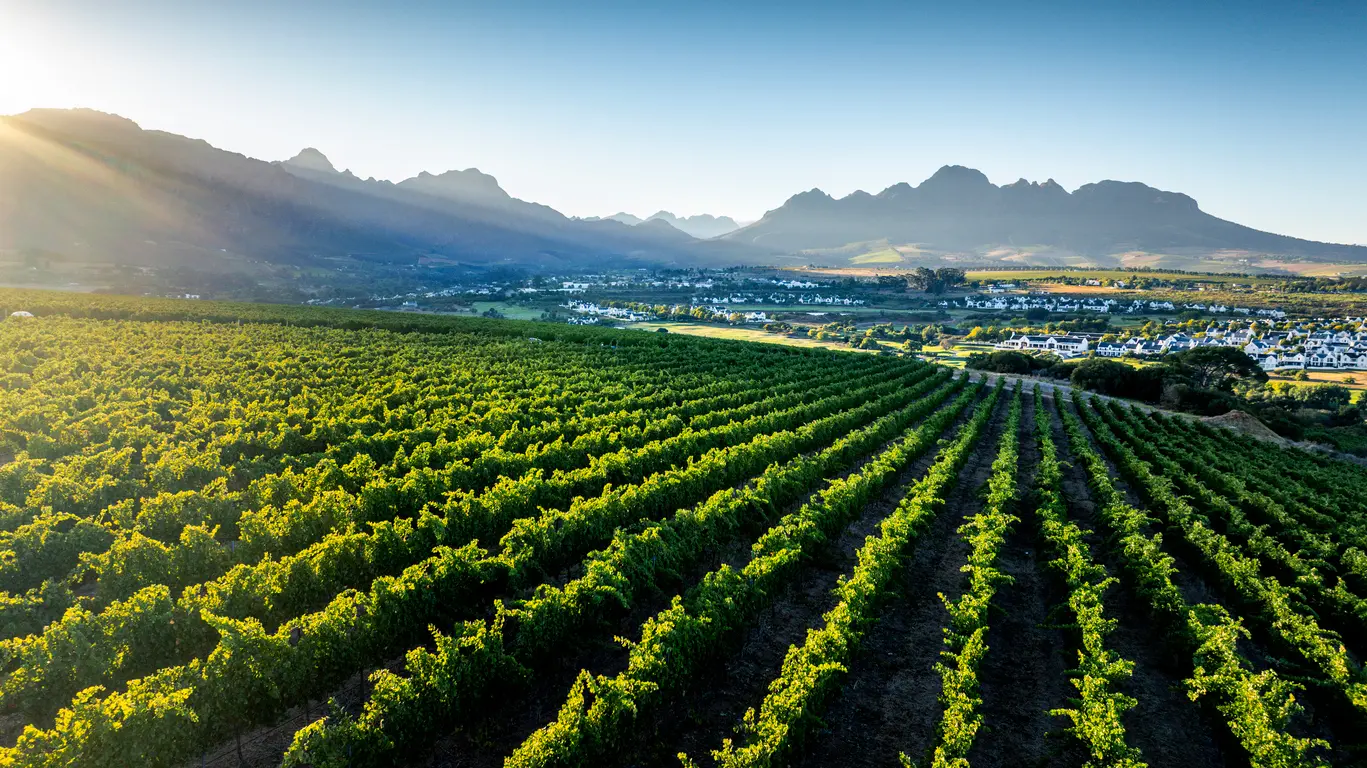
    Aerial view of vineyard rows and farmland in the Stellenbosch valley, Cape Winelands, Western Cape, South Africa.

    Stellenbosch

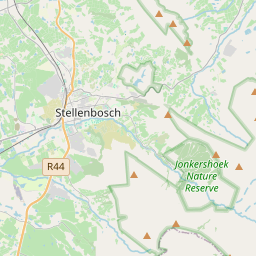
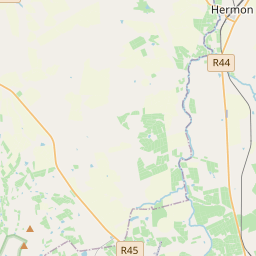
    Stellenbosch forms one of the central agricultural valleys within the Cape Winelands landscape system. Mountain ranges encircle the valley, creating a contained basin where vineyards, orchards, and rural settlements occupy the lower terrain. Cultivated land extends across valley floors and foothills, while forested slopes and rocky outcrops dominate higher elevations. Small towns and estates are positioned along river systems and agricultural corridors running through the valley. The visual structure of the region is defined by the contrast between ordered vineyard patterns and the rugged mountain terrain surrounding them, producing layered compositions across plains, slopes, and ridgelines.

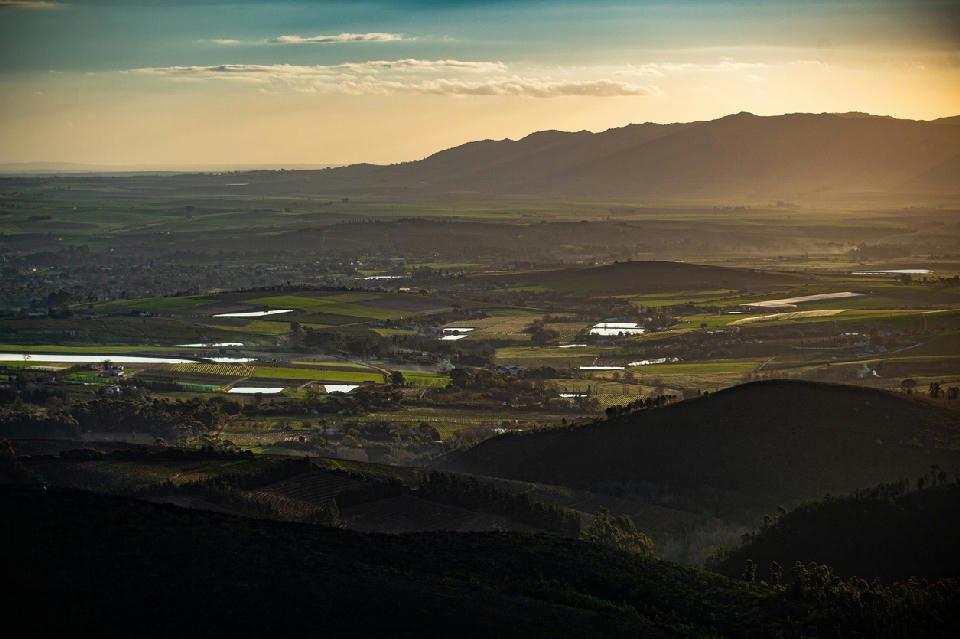
    Golden sunset over the Cape Winelands near Wellington, South Africa, showing layered agricultural fields, farm dams, rolling valley terrain, and distant mountain silhouettes.

    Wellington

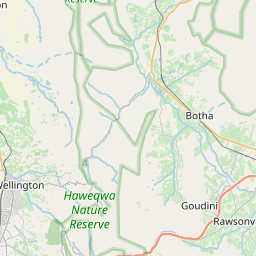
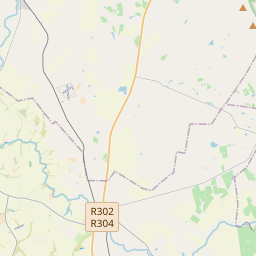
    Wellington forms part of the northern agricultural basin system within the Cape Winelands landscape. Mountain ranges surrounding the valley create a contained environment where vineyards, orchards, and rural settlements occupy the lower terrain. Cultivated land extends across valley floors and foothill slopes, while rugged mountain ridges and rocky outcrops dominate higher elevations. Agricultural estates and small settlements follow river corridors and transport routes crossing the basin. The visual structure of the valley is defined by the contrast between structured agricultural landscapes and the rugged mountain terrain surrounding them, producing layered compositions across plains, slopes, and elevated ridgelines.

    Photographic journey

    Cape Winelands Photography Route

    Cape Winelands Route · 31 stops

    Vineyard rows across the Stellenbosch wine region in the Cape Winelands of South Africa.01

    Spier Wine Farm

    Spier Wine Farm is a historic wine estate located along the Eerste River outside Stellenbosch in South Africa’s Cape Winelands. Vineyards extend across broad valley terrain with mature oak trees, farm buildings, and distant mountain ridges shaping the surrounding landscape.

    Historic Ou Hoofgebou academic building at Stellenbosch University in Stellenbosch, South Africa, framed by trees in evening light.07

    Stellenbosch University

    Stellenbosch University is a historic university campus in Stellenbosch, South Africa, known for Cape Dutch architecture, oak-lined walkways, and landscaped academic courtyards within the Cape Winelands. The landscape is defined by historic buildings, tree-lined streets, and the interaction between campus architecture and the surrounding mountain backdrop. Compositions form through symmetry, texture, and the relationship between architectural detail, seasonal foliage, and urban atmosphere.

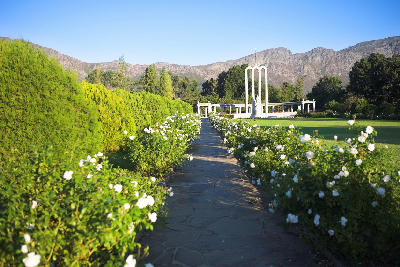
    Huguenot Monument and landscaped gardens beneath the Franschhoek mountains in the Western Cape of South Africa.13

    Huguenot Monument

    Huguenot Monument is a commemorative monument in Franschhoek, South Africa, surrounded by formal gardens and mountain scenery within the Franschhoek Valley. The site is defined by geometric stone architecture, landscaped grounds, and the surrounding mountain backdrop rising behind the monument complex.

    Vineyard rows in the Stellenbosch wine region of the Cape Winelands, South Africa.19

    La Motte Estate

    La Motte Estate is a historic wine estate located in the Franschhoek Valley of South Africa’s Cape Winelands, surrounded by vineyards and mountain ridges along the valley floor. Vineyards extend across gently undulating terrain with tree-lined estate grounds and layered mountain backdrops defining the surrounding landscape.

    Vineyard rows in the Stellenbosch wine region of the Cape Winelands, South Africa.25

    KWV Wine Emporium

    KWV Wine Emporium is a historic wine cellar and tasting destination in Paarl, South Africa, known for its large Cape Dutch-inspired cellar architecture and surrounding vineyard landscapes within the Cape Winelands. The estate occupies broad valley terrain beneath Paarl Mountain with landscaped grounds and agricultural surroundings shaping the visual environment.

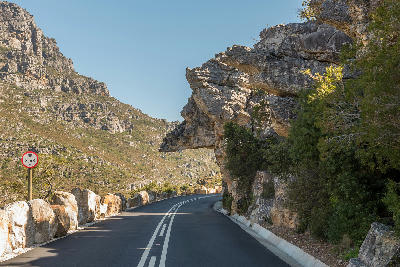
    Mountain road passing beneath the rocky overhang of Dacres Pulpit in Bainskloof Pass, South Africa, surrounded by steep cliff faces and rugged mountain terrain.31

    Bainskloof Pass

    Bainskloof Pass is a historic mountain pass near Wellington in South Africa’s Western Cape, known for steep cliffs, winding road geometry, and rugged canyon landscapes through the Limietberg Mountains. The pass follows dramatic mountain terrain with exposed rock faces, river valleys, and elevated viewpoints extending through the surrounding wilderness.

    Explore the Full Cape Winelands Route31 stops across the Cape Winelands

    Overview

    The Cape Winelands is structured around a series of fertile valleys separated by mountain barriers running through the inland Western Cape. These ranges create distinct agricultural basins where vineyards, orchards, and rural settlements occupy the flatter terrain between steep slopes.

    Each valley functions as a contained geographic unit with a strong visual relationship between cultivated land and surrounding mountains. Granite domes, sandstone ridges, and forested slopes form prominent backdrops to vineyard plains.

    The visual structure of the region is defined by alternating bands of agriculture and mountain relief, producing layered compositions across valleys, foothills, and elevated ridgelines.
    Key Photography Subjects

    • Vineyard landscapes across valley floors
    • Mountain ranges rising behind cultivated plains
    • Historic towns within agricultural basins
    • Rolling vineyard hills and rural roads
    • Granite outcrops and sandstone ridges
    • Orchard landscapes and river corridors
    • Seasonal vineyard colour and atmospheric light

    Gallery

    Workshops in Cape Winelands

    No upcoming workshops scheduled for Cape Winelands at this time.

    Check back soon or explore other destinations.