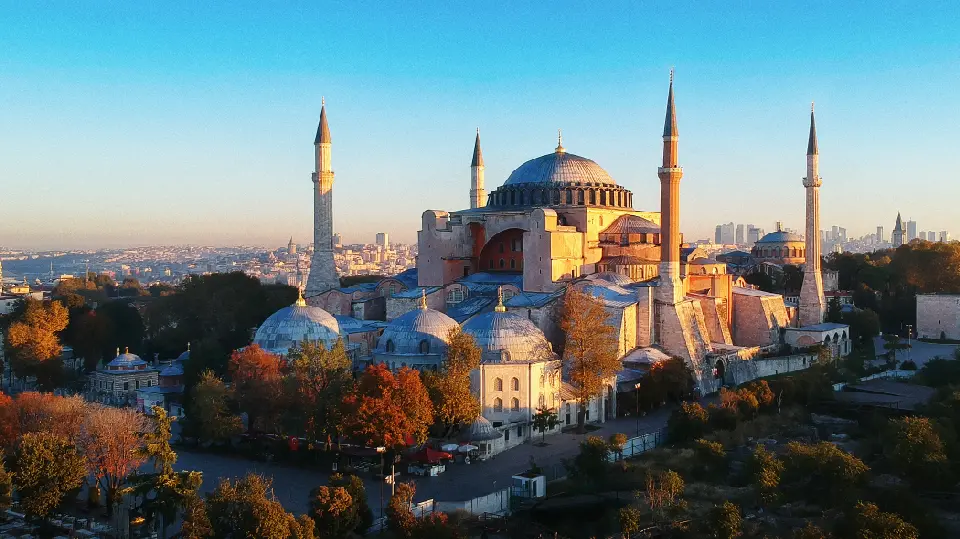
Hagia Sophia dominates Istanbul’s historic Sultanahmet skyline, its monumental dome and four minarets rising above the surrounding city.
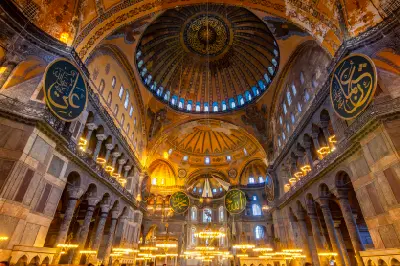
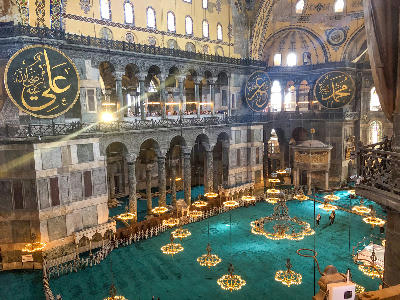
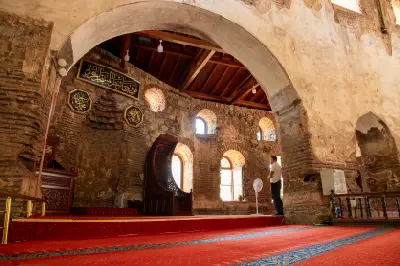
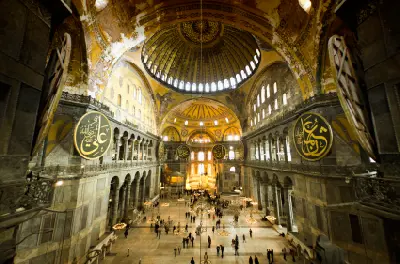
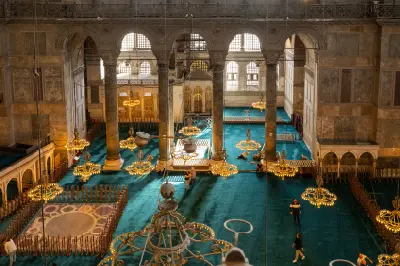
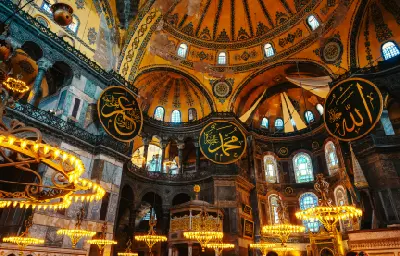
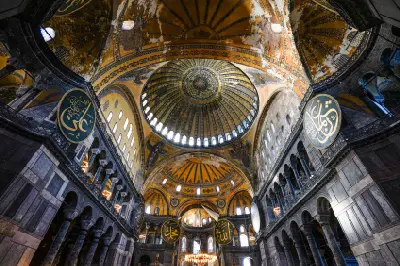
Hagia Sophia is one of Istanbul's defining historic monuments, built in the 6th century as a Byzantine cathedral and later converted into an Ottoman mosque. Its enormous central dome, surrounding minarets and layered architectural additions reflect nearly fifteen centuries of religious and political history. Inside, monumental marble surfaces, Islamic calligraphy and surviving Byzantine mosaics occupy the same vast interior. The building stands at the heart of Sultanahmet opposite the Blue Mosque.
41.00860, 28.98020
Gallery
Quick Facts
Access
Visitor Access
15–45 min
Elevation Gain
10 m
Best Light
Low-angle light reveals the dome and stone façades, while blue hour balances the illuminated building against the remaining colour in the sky.
Why This Light
Season
Year-Round Stable
Hagia Sophia can be photographed throughout the year, with seasonal changes mainly affecting exterior conditions and crowd levels. Winter can bring softer skies and occasional snow, while summer generally provides longer daylight hours but considerably heavier visitor numbers.
Crowds
Often Busy
Restrictions
Hagia Sophia stands within the pedestrianised historic centre of Sultanahmet and is easily reached on foot or by public transport. Visitor access is managed around its continuing use as a mosque, with opening arrangements and access to particular sections subject to change. Appropriate clothing is required, and photographic equipment may be restricted inside.