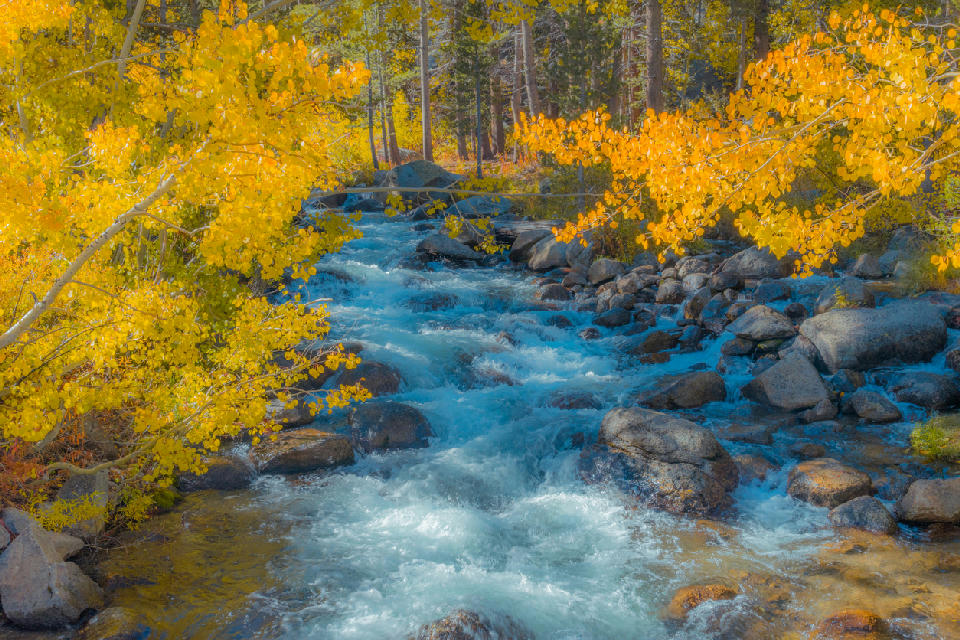
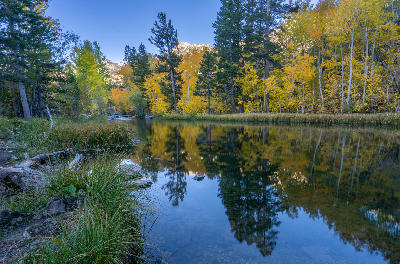
South Fork of Bishop Creek flowing through autumn aspen and granite boulders in Bishop Creek Canyon
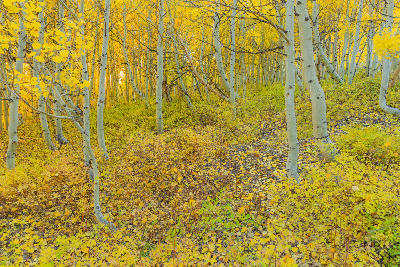
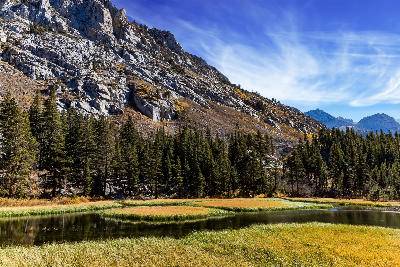
Bishop Creek Canyon rises from the floor of Owens Valley into the eastern Sierra Nevada, defined by a continuous canyon corridor shaped by flowing water, alpine lakes, and forested slopes. The landscape follows a clear vertical progression, where terrain transitions from desert valley floor into high alpine environments along a single, structured route. The terrain transitions through river corridors, forested slopes, and a series of alpine lakes positioned along the upper canyon. Elevation increases steadily rather than abruptly, creating a layered landscape that unfolds progressively with altitude. Seasonal conditions strongly influence surface appearance. Autumn vegetation introduces intense colour across the canyon, while water flow, light, and weather shape contrast and clarity throughout the corridor.
Gallery
Key POIs in Bishop Creek Canyon
Nearby Places
View all on mapOwens Valley
area district — 21.9 km
Eastern Sierra Nevada
Methuselah Grove
landmark — 37.8 km
Eastern Sierra Nevada
Ancient Bristlecone Pine Forest
area district — 41.3 km
Eastern Sierra Nevada
Convict Lake
water feature — 45.6 km
Eastern Sierra Nevada
Lake Mary
water feature — 54.8 km
Eastern Sierra Nevada
Horseshoe Lake
water feature — 56.2 km
Eastern Sierra Nevada
Mammoth Lakes Basin
area district — 56.9 km
Eastern Sierra Nevada
Ansel Adams Wilderness
area district — 71.0 km
Eastern Sierra Nevada
Overview
Bishop Creek Canyon is structured as a linear alpine corridor, where movement through the landscape defines the visual experience. Unlike basin-based or dispersed alpine systems, the canyon forms a continuous route linking multiple environments along a single directional path. Lakes such as South Lake and North Lake mark key elevations within the canyon, acting as compositional anchors along the ascent. The creek itself provides a continuous visual thread, connecting the lower and upper sections of the landscape. For photographers, the region functions through progressive composition. Scenes evolve along the canyon, with each section offering different combinations of water, forest, and mountain terrain. The visual structure is defined by direction and elevation change. Compositions are built along the flow of the canyon, using leading lines, layering, and seasonal colour to create depth.
Key photography subjects
- Flowing river corridors with granite boulders
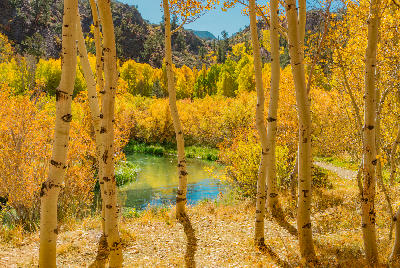
- Forested canyon slopes with strong seasonal colour (autumn)
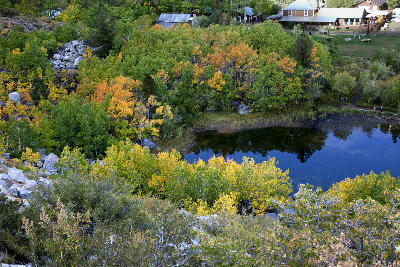
- Alpine lakes positioned along elevation changes
- Layered compositions following canyon direction
- Leading lines created by water, roads, and terrain
- Transition from desert valley to alpine environment
- Light interacting with water, trees, and canyon structure
Workshops in Bishop Creek Canyon
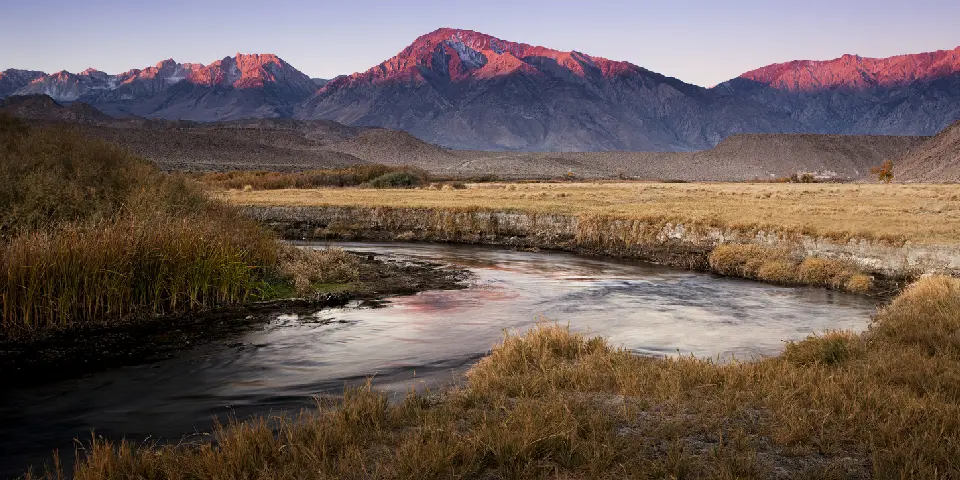
Autumn in Eastern Sierra

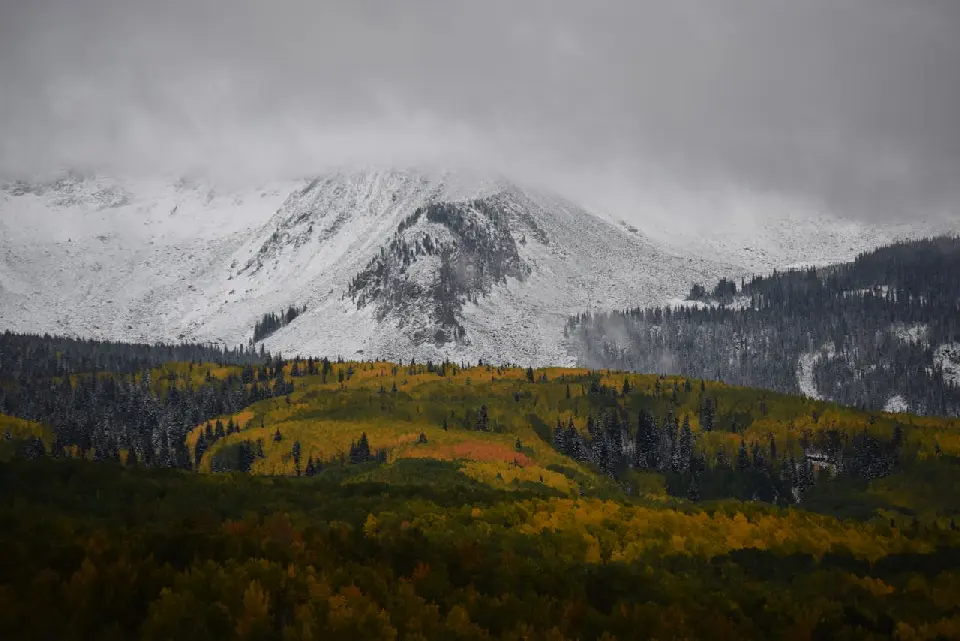
Colorado Fall Color Photography Art Retreat


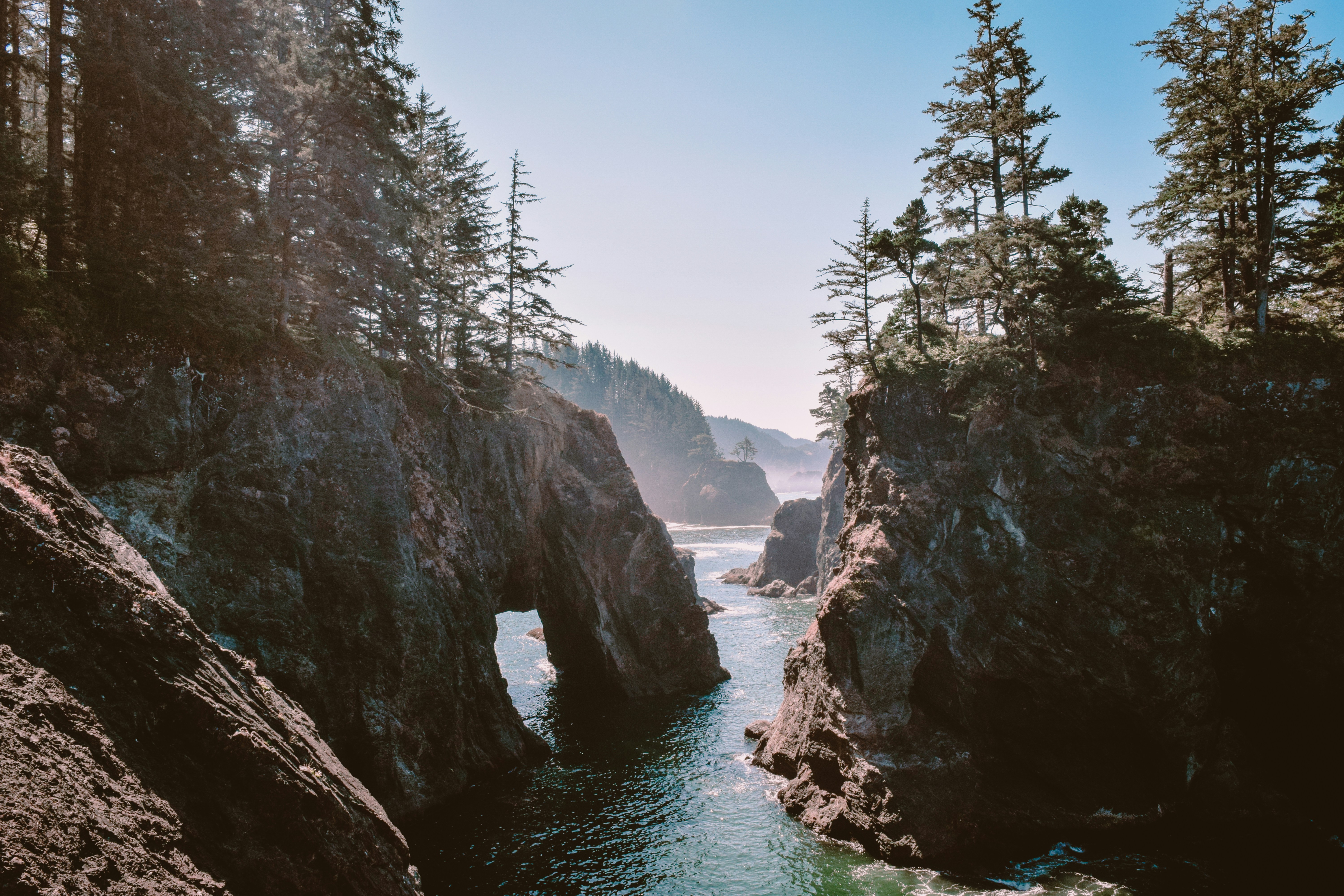
Oregon Coast Adventure Photography Workshop
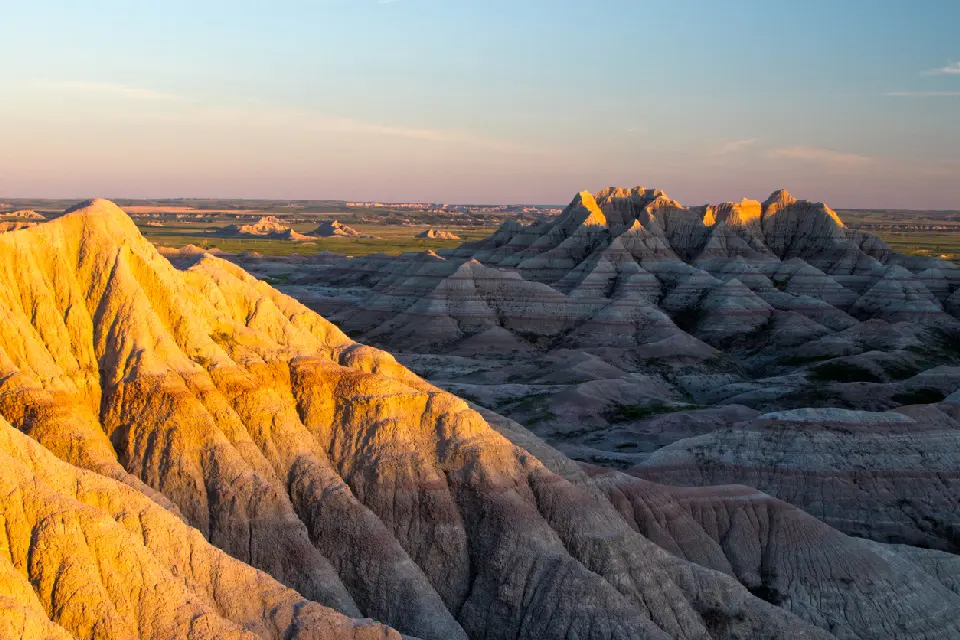
Autumn in Utah Badlands