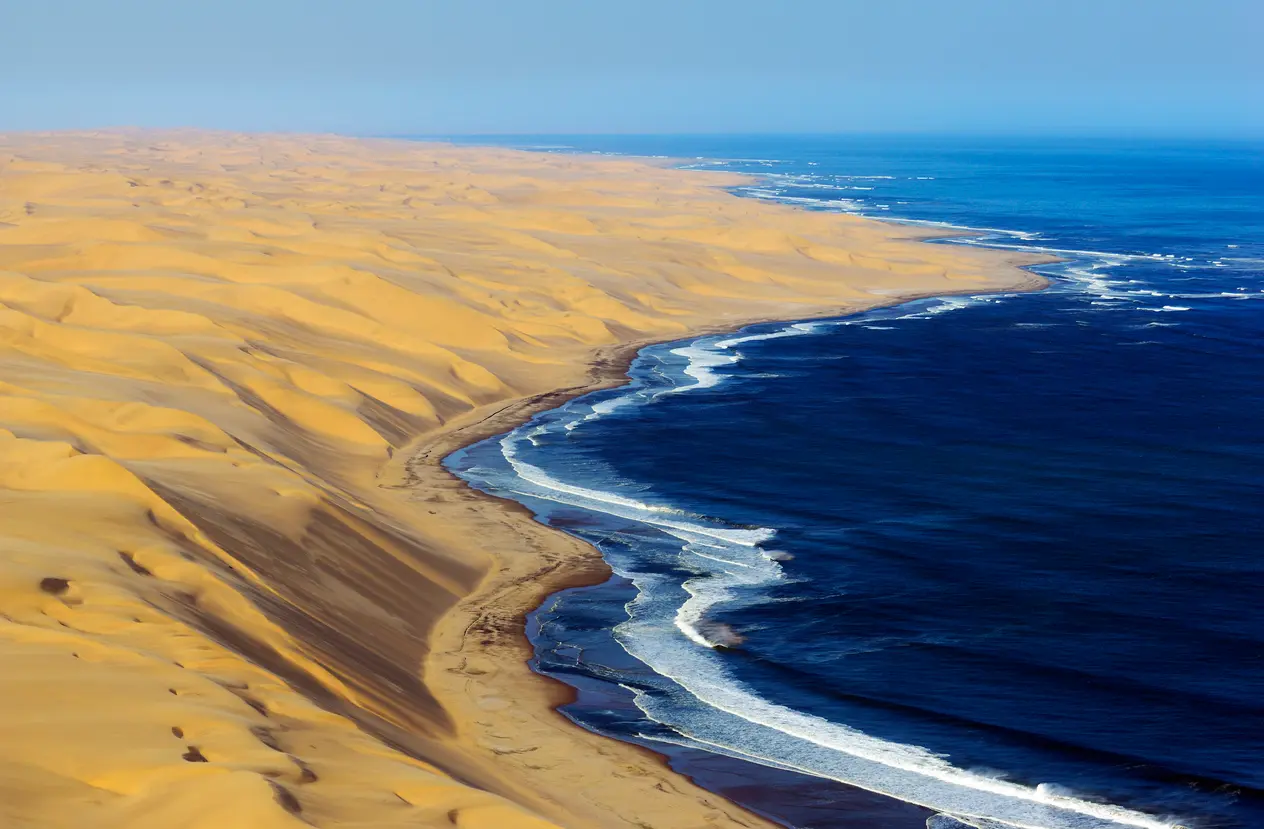
Aerial view of the Namib Desert dunes descending into the Atlantic Ocean along Namibia’s Skeleton Coast.
The Skeleton Coast is a remote Atlantic coastline in northwestern Namibia where the Namib Desert meets the ocean, defined by fog systems, exposed beaches, dune shorelines, and isolated coastal terrain extending across a harsh and largely undeveloped environment. The landscape is structured by the interaction between desert and sea, with minimal vegetation and strong atmospheric conditions shaping the visual character of the coastline. The terrain transitions between coastal dunes, rocky shorelines, open beaches, and gravel plains exposed to Atlantic weather systems. Ocean fog generated by the cold Benguela Current frequently moves inland across the desert, softening visibility and creating atmospheric separation between land, sea, and sky. Seasonal and weather conditions strongly influence contrast, texture, and visibility. Wind, salt haze, and coastal fog continually reshape the appearance of the landscape, while changing light conditions alter the separation between dunes, surf, and exposed terrain.
Gallery
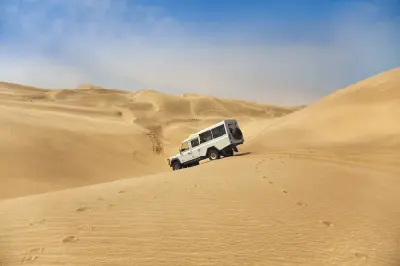
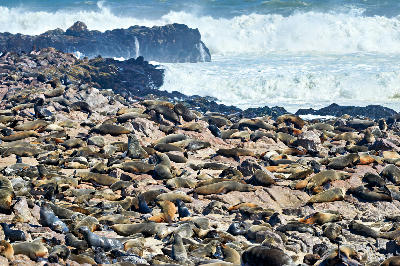
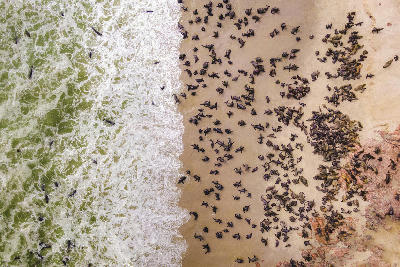
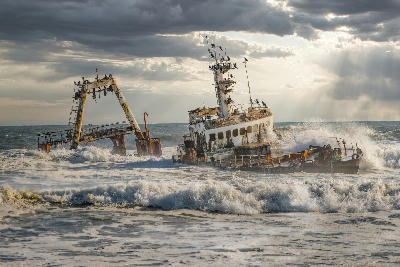
Key POIs in Skeleton Coast
Overview
The Skeleton Coast is structured as a desert-ocean atmospheric system, where composition is defined by contrast, exposure, and environmental isolation across a narrow coastal corridor. Unlike inland desert regions, the coastline is heavily influenced by oceanic conditions. Fog moving inland from the Atlantic softens dune structure and reduces visibility, while strong coastal winds shape exposed beaches and shoreline terrain. For photographers, the region functions through atmosphere and separation. Dunes, shipwrecks, rocky coastlines, and surf become isolated focal points within vast open environments shaped by weather and changing visibility. The visual structure is defined by emptiness and environmental contrast. Sand, rock, surf, fog, and ocean interact across uncluttered terrain, creating strong compositional simplicity and large-scale negative space.
Key photography subjects
- Desert dunes descending directly into the Atlantic Ocean
- Coastal fog moving inland across exposed desert terrain
- Isolated beaches and open shoreline environments
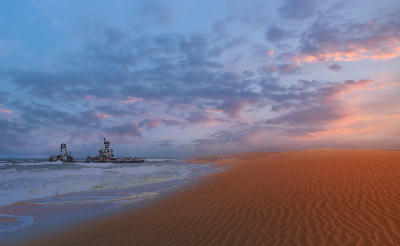
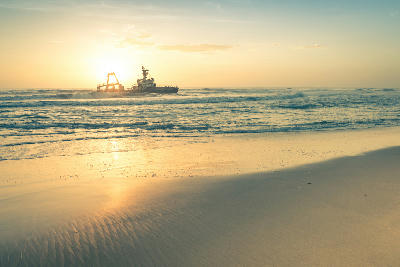
- Shipwrecks and weathered coastal remains
- Rocky Atlantic coastline and crashing surf
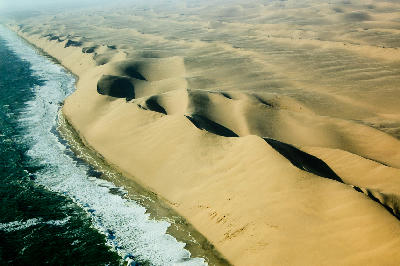
- Aerial dune patterns along the coastline
- Directional coastal light shaping sand, ocean, and mist
Workshops in Skeleton Coast
No upcoming workshops scheduled for Skeleton Coast at this time.
Check back soon or explore other destinations.