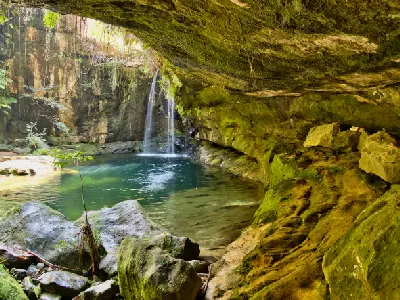
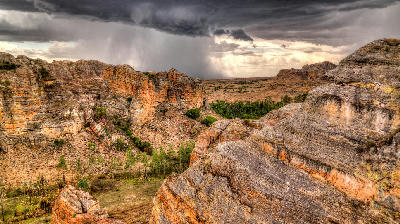
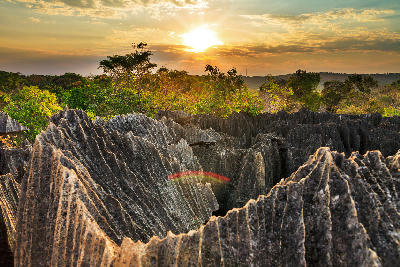
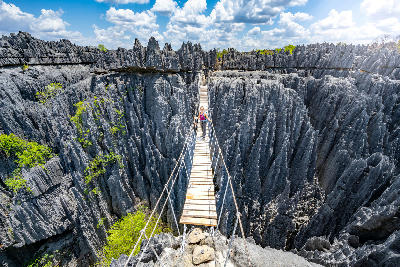
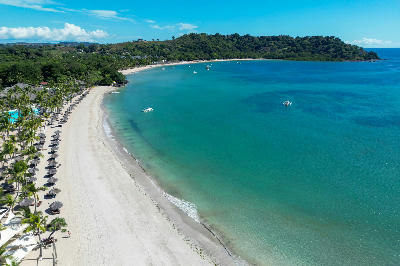
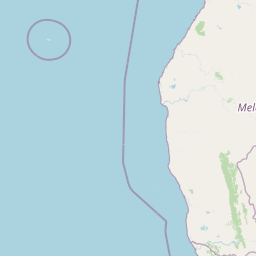
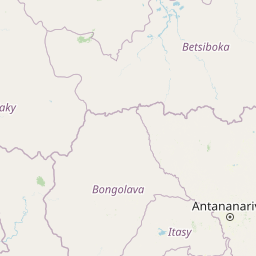
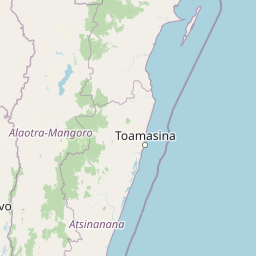
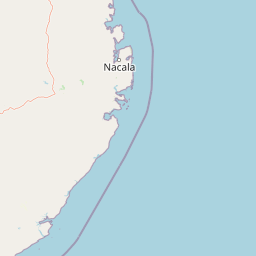
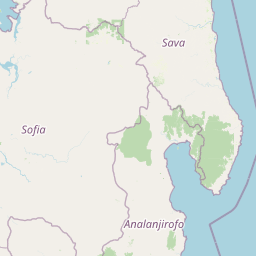
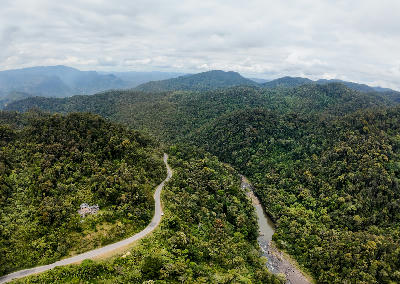
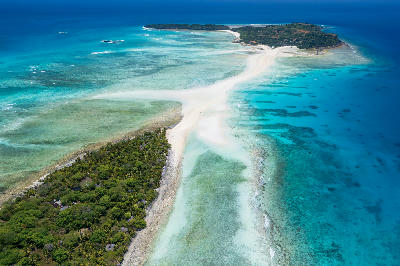
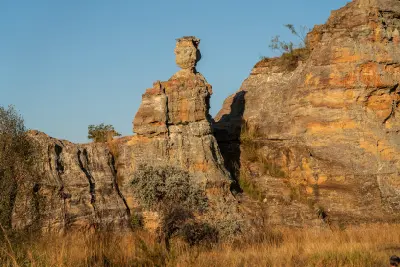
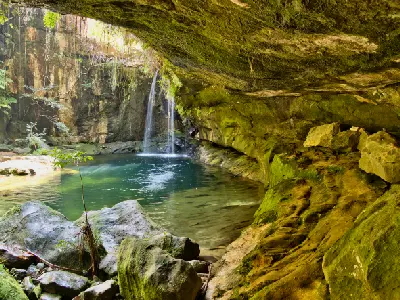
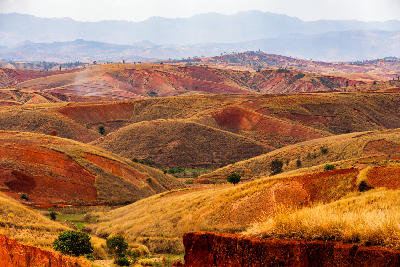
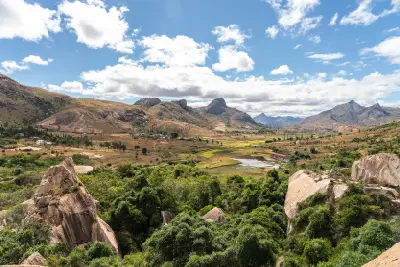
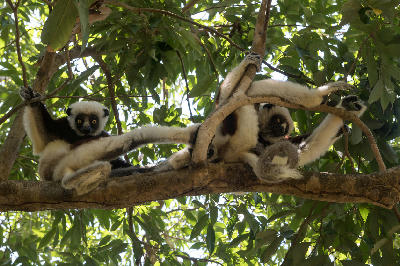
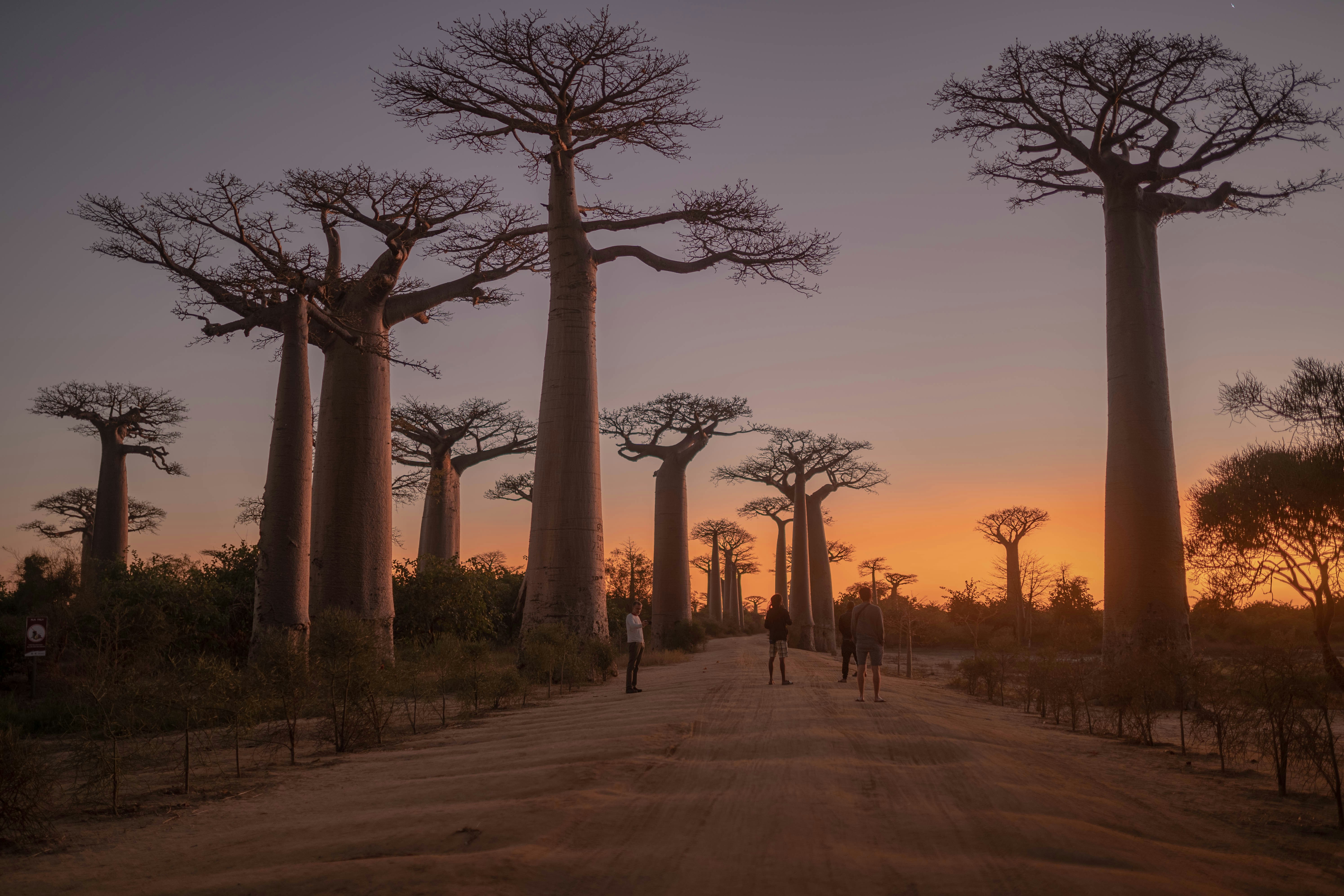
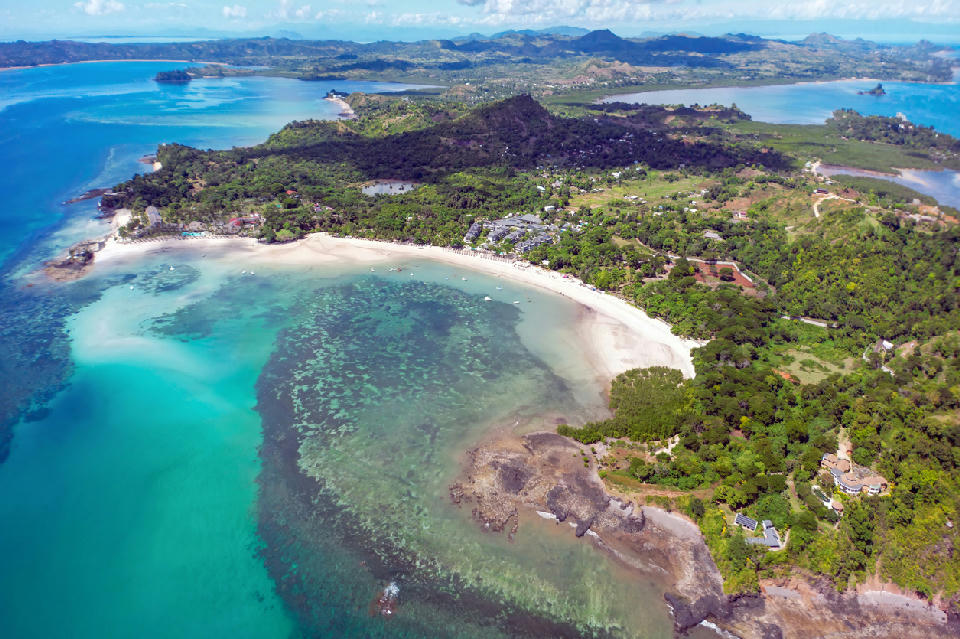
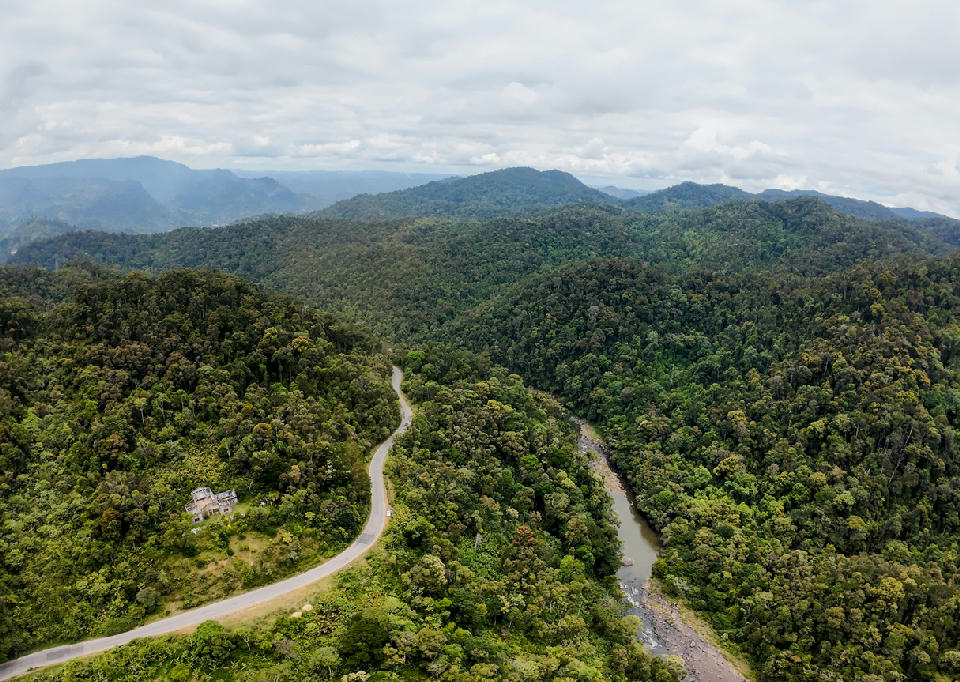
Madagascar functions as a multi-biome island landscape system, where photography is shaped by dramatic environmental transition between rainforest, dry desert-like terrain, eroded sandstone, limestone formations, and tropical coastline.
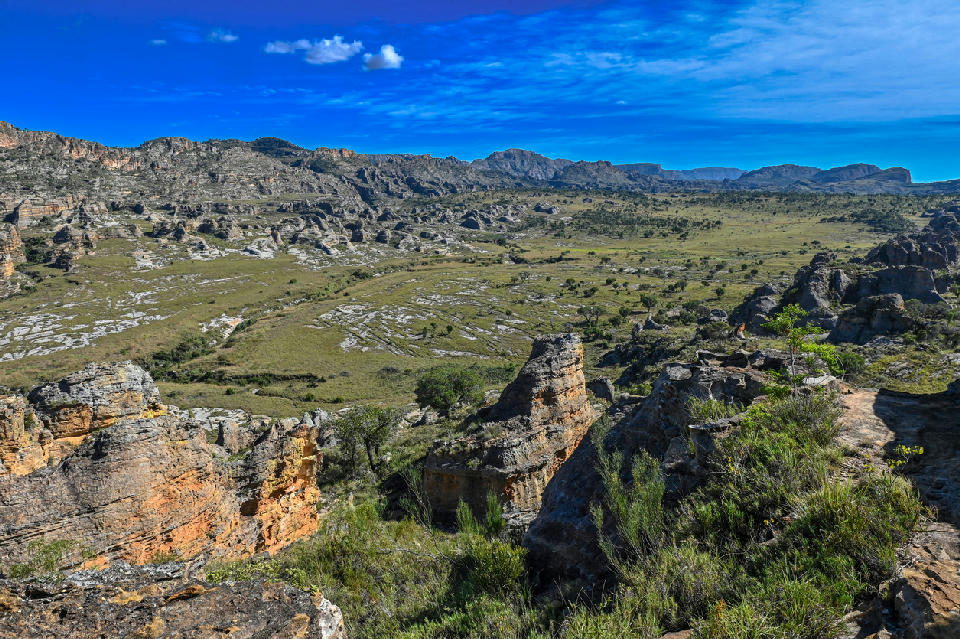
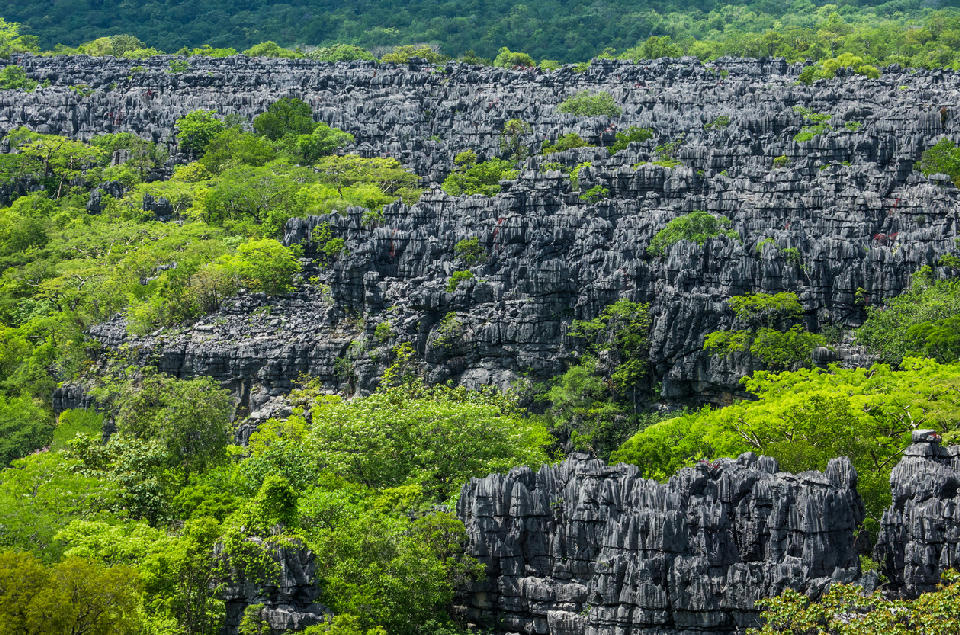
The island combines large-scale geological structure with highly localised ecological variation. Different regions contain entirely different visual identities, ranging from humid jungle environments and mist-covered mountains to exposed baobab plains and razor-sharp limestone formations.
For photographers, Madagascar works through texture, biodiversity, atmosphere, and environmental contrast. Vegetation density, seasonal rainfall, rock structure, and changing tropical light create distinct photographic conditions across the island.
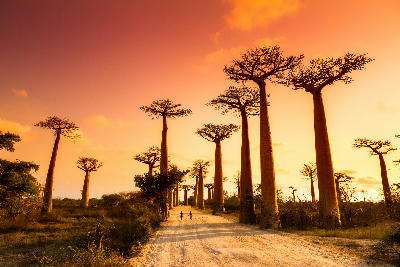
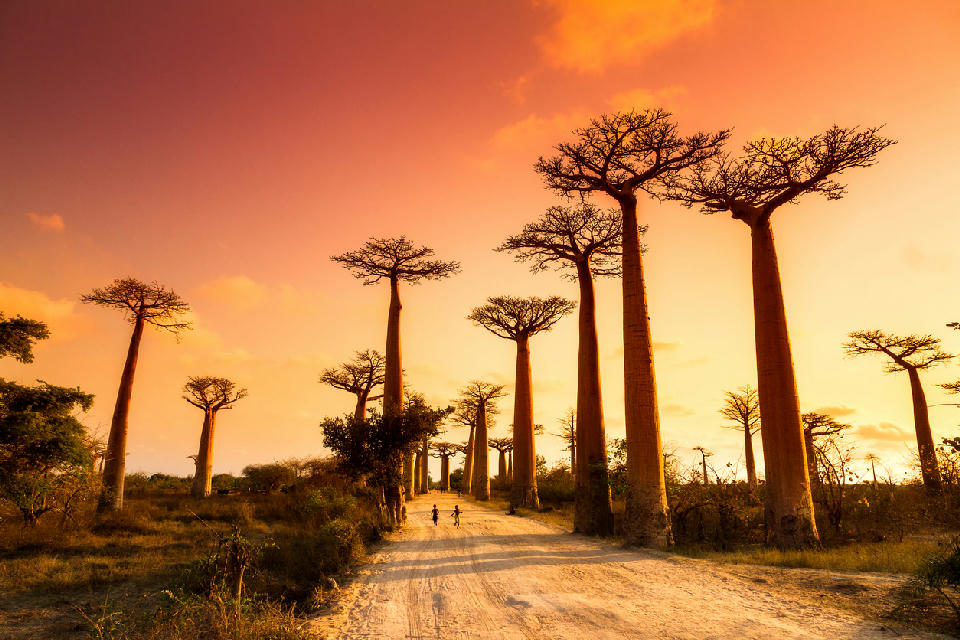
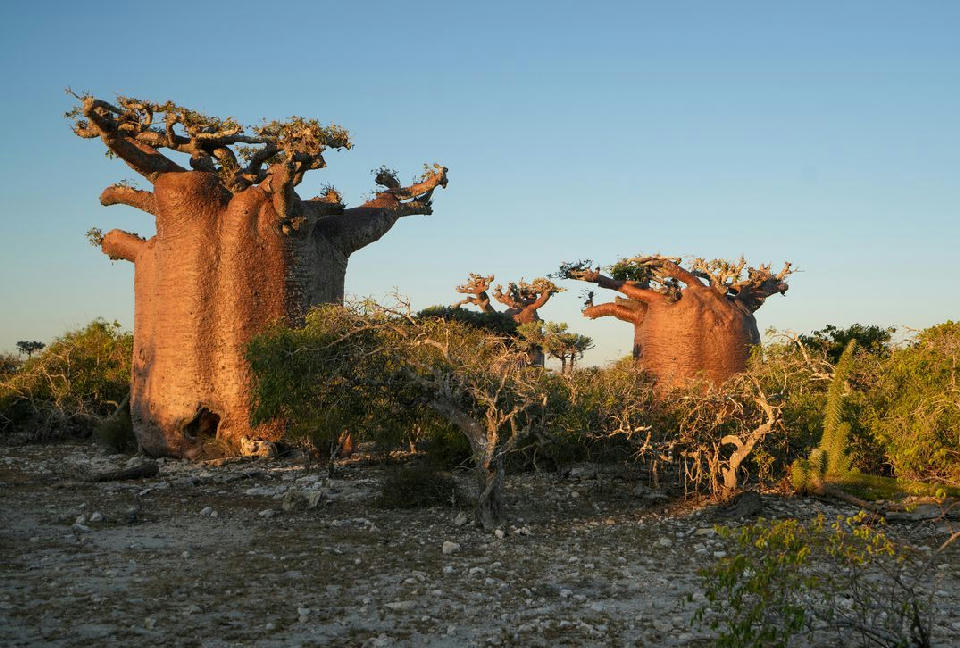
The visual identity of Madagascar is strongly influenced by isolation and endemic ecology. Baobab trees, limestone pinnacles, rainforest canopy, red-earth roads, and tropical coastlines create highly recognisable environmental patterns not commonly found elsewhere in Africa.



 01
01