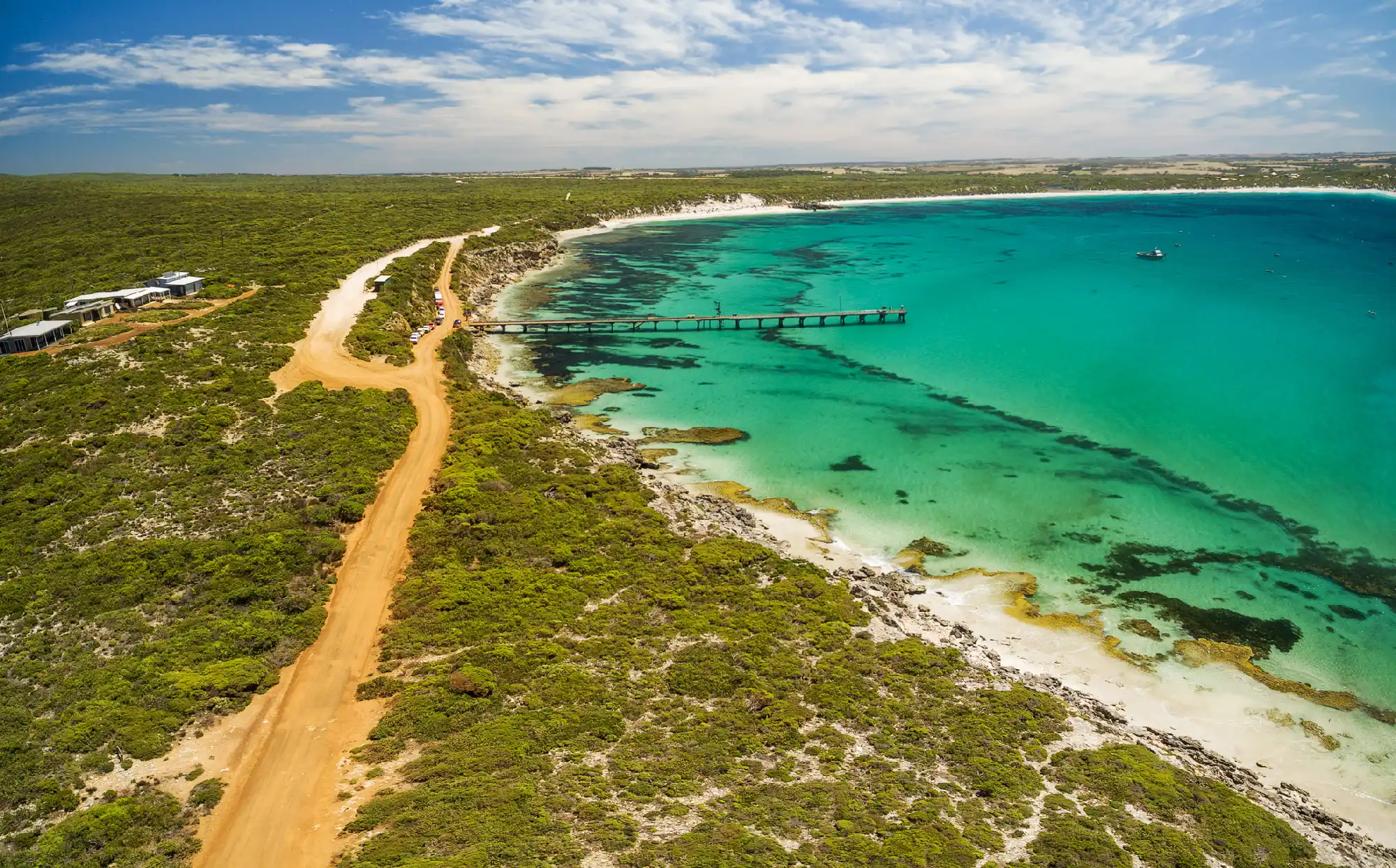
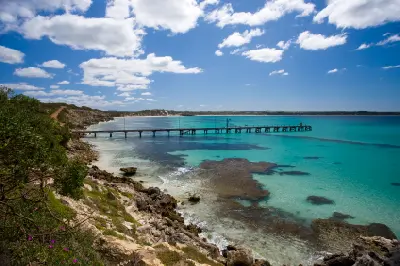
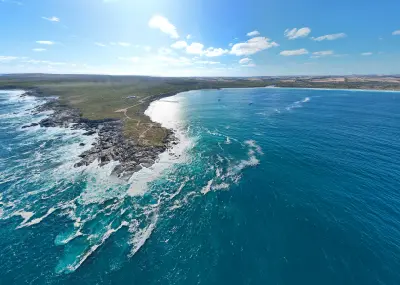
An aerial view of Vivonne Bay reveals its wooden jetty extending into brilliant turquoise water, with a sweeping white-sand beach and coastal vegetation along Kangaroo Island's southern shoreline.
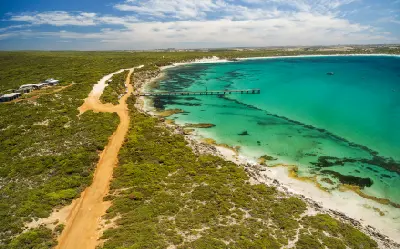
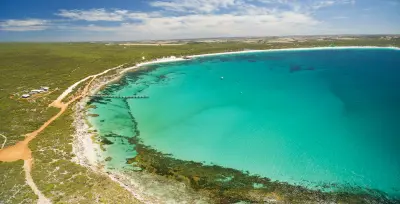
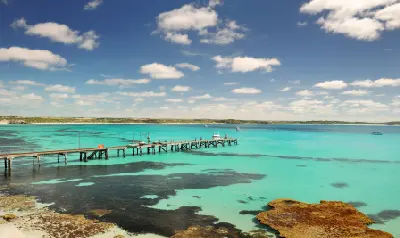
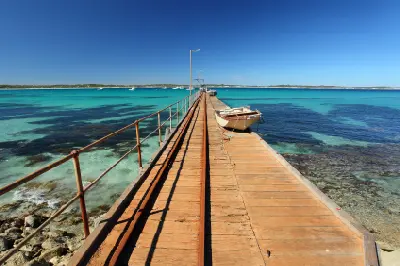
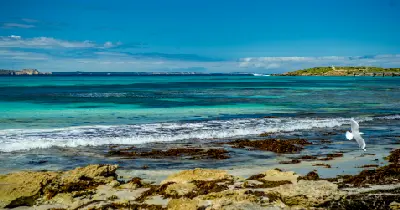
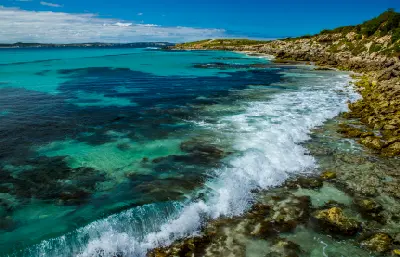
Vivonne Bay is a broad, crescent-shaped sandy bay on the southern coast of Kangaroo Island, South Australia, bordered by coastal dunes, low vegetation and the turquoise waters of the Southern Ocean. A long white-sand beach, rocky headlands and a small jetty provide varied coastal viewpoints, with the sheltered Harriet River estuary nearby. The sweeping shoreline, clear water and contrasting coastal formations provide opportunities for landscape, aerial and coastal photography.
-35.98533, 137.20395
Gallery
Quick Facts
Access
Short Walk
5–15 min
Elevation Gain
10 m
Best Light
Low-angle sunlight reveals texture across the dunes and shoreline, while wet sand and sheltered water can reflect changing sky colours.
Why This Light
Season
Seasonally Distinct
Summer brings pale sandy beaches, drier coastal vegetation and vivid turquoise water under clearer skies, with calmer conditions revealing the bay's sweeping shoreline. Winter brings greener dunes, more frequent storm clouds and heavier Southern Ocean swell, with changing wave patterns and sea spray adding texture to the coast.
Crowds
Usually Quiet
Restrictions
Vivonne Bay is reached by sealed road from the main Kangaroo Island road network, with access to the beach, jetty and nearby coastal viewpoints. Short paths lead from parking areas to the shoreline, although walking distances vary depending on the chosen access point. The beach is exposed to Southern Ocean swell, with strong currents and changing surf conditions requiring caution. Visitors should avoid unstable dune edges and check local beach conditions before entering the water.