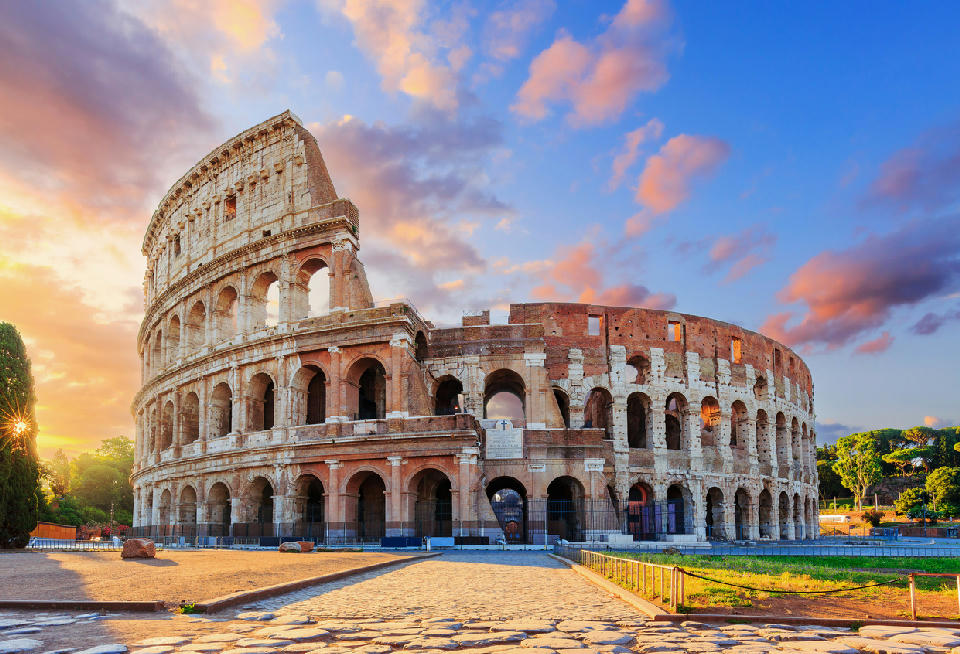
The Colosseum in Rome at sunrise, as soft morning light reveals the form and texture of the ancient amphitheatre.
Italy occupies a central position in the Mediterranean and is defined by a long peninsula, extensive coastlines, and a highly varied interior shaped by mountain ranges, volcanic systems, and river valleys. Its geography spans alpine environments in the north, rolling hills and plains in the centre, and rugged coastal and island landscapes in the south. The country’s terrain includes the Alps and Apennines, broad lowlands such as the Po Valley, and numerous islands and peninsulas that create strong regional variation over relatively short distances. Settlement patterns are dense in fertile plains and along coasts, while mountainous regions remain more sparsely developed. Seasonal change influences vegetation, water levels, and light quality, with snow in higher elevations, dry summer conditions in the south, and transitional seasons producing shifting colour and atmospheric effects across regions.
Explore Locations in Italy
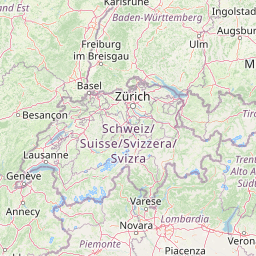
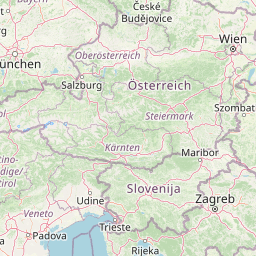
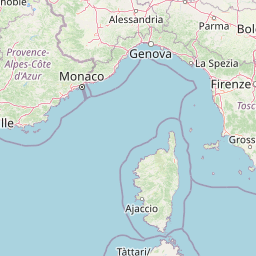
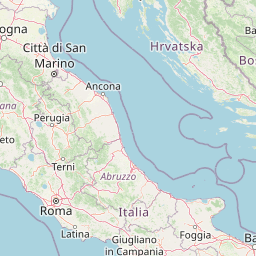
Regions in Italy
Areas in Italy
Cities & Towns in Italy
Gallery
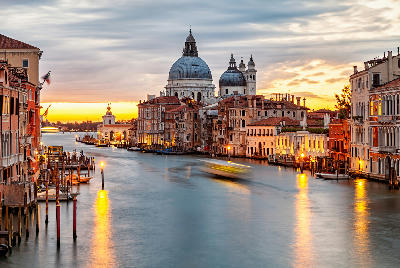
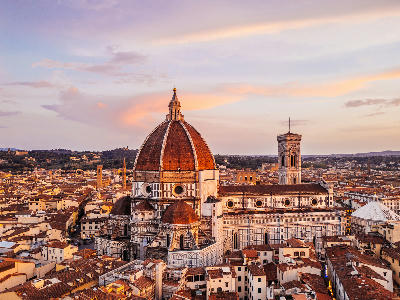
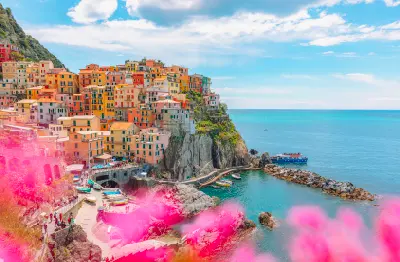
Overview
Italy’s landscape structure is dominated by the Alpine arc in the north and the Apennine mountain chain running the length of the peninsula. These systems divide the country into distinct drainage basins and climate zones, shaping agriculture, settlement, and visual character. Volcanic activity has produced isolated peaks, calderas, and lava fields, particularly in southern regions and islands. Coastal areas vary widely, from rocky cliffs and headlands to long sandy beaches and enclosed bays. Inland, river valleys, plains, and hill systems create layered terrain with extensive cultural modification through terracing, farming, and urban development. Light conditions vary by latitude, elevation, and season. Northern regions experience cooler light and seasonal snow, while southern areas are characterised by stronger sun angles and drier conditions. Weather systems from the Mediterranean and Atlantic introduce cloud, haze, and seasonal contrast across much of the country.
Key photography subjects
- Alpine mountains, passes, and glacial valleys
- Rolling hills, plains, and agricultural landscapes
- Volcanic landforms and geothermal features
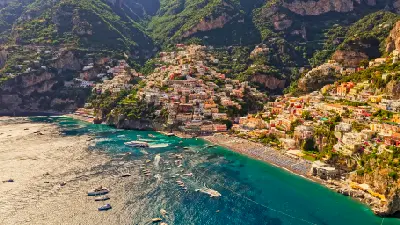
- Coastlines, islands, and Mediterranean shores
- River valleys, lakes, and inland water bodies
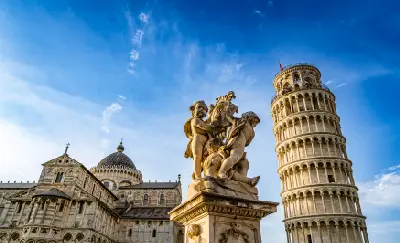
- Historic settlements and built landscapes
- Seasonal light, weather, and atmospheric variation
Workshops in Italy
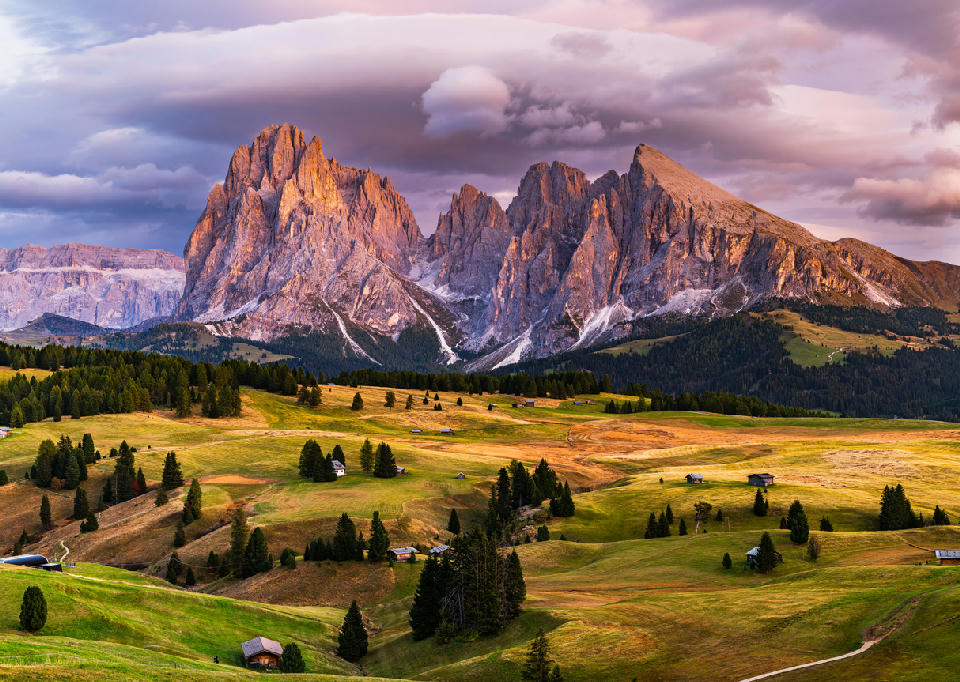
Dolomites Photo Tour

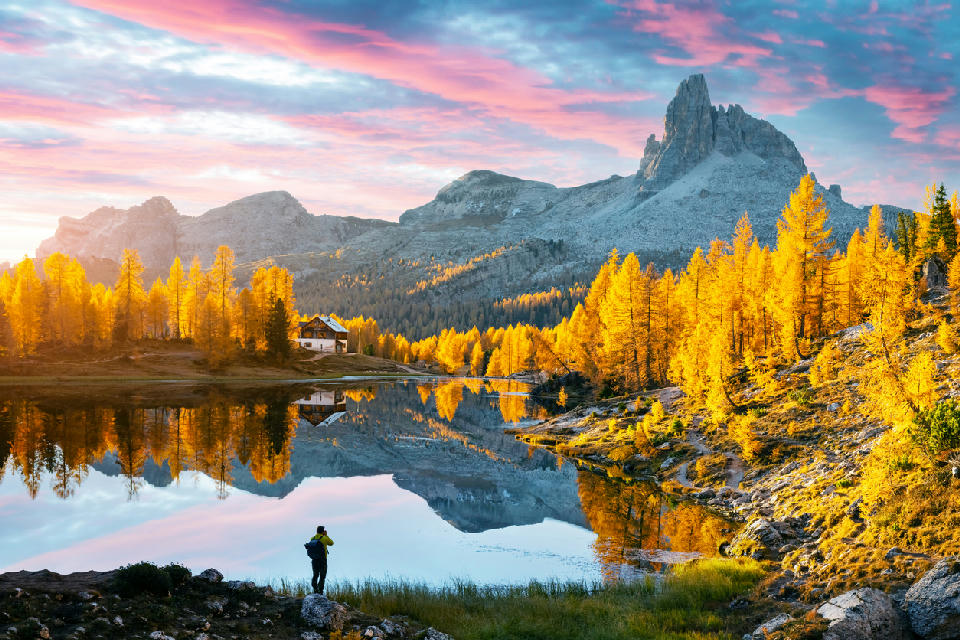
Dolomites Photo Tour - Autumn In Dolomites