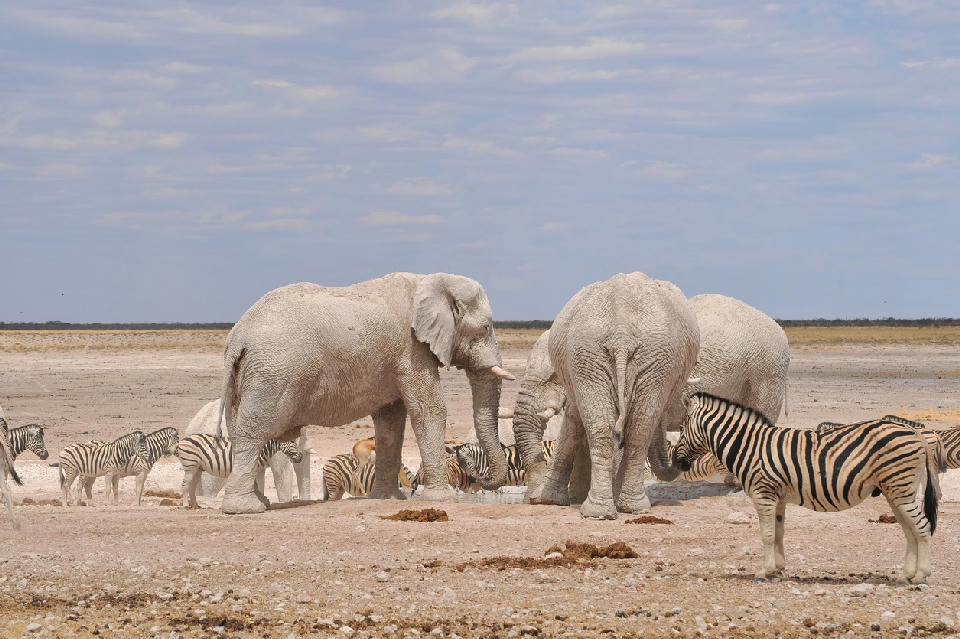
Elephants and zebras gathering at a dry-season waterhole on the Etosha salt pan in northern Namibia.
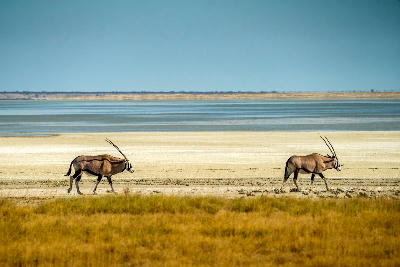
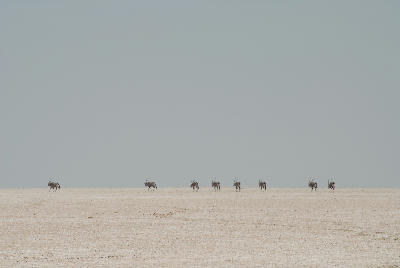
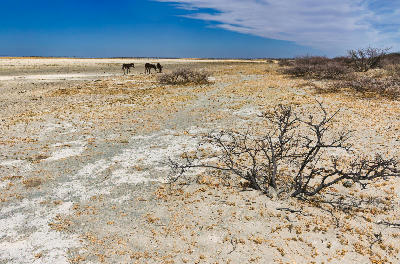
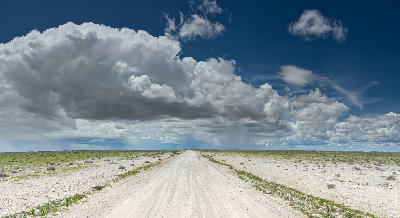
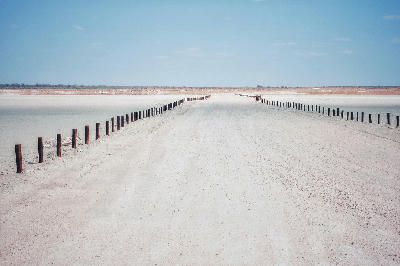
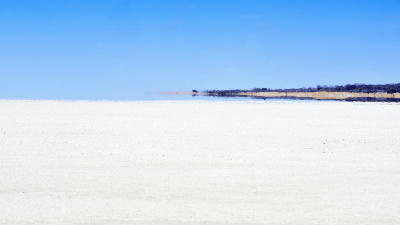
Etosha Pan is a vast salt pan within Etosha National Park in northern Namibia, forming one of the largest dry pan systems in Africa. The landscape is defined by open white surfaces, distant horizons, and sparse vegetation surrounding the pan edge. Compositions form through scale, minimalism, and the relationship between isolated wildlife, reflective surfaces, and expansive negative space.
-18.73492, 16.39495
Gallery
Quick Facts
Access
Roadside / Step-out
0–5 min
Elevation Gain
5 m
Best Light
Low-angle light enhances surface texture and reflections while maintaining separation between the salt pan, distant horizons, and surrounding wildlife.
Why This Light
Season
Seasonally Distinct
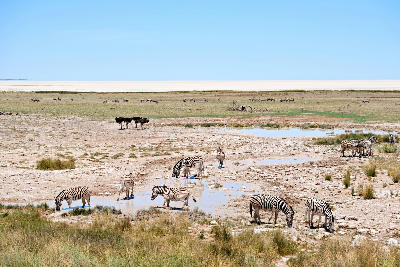
Summer rainfall can create shallow reflective water surfaces and attract large concentrations of wildlife and birds across the pan. Winter produces dry cracked salt textures, stronger atmospheric clarity, and more minimal open-space compositions.
Crowds
Usually Quiet
Restrictions
Access to certain pan-edge areas may vary depending on seasonal rainfall, road conditions, and park management restrictions.