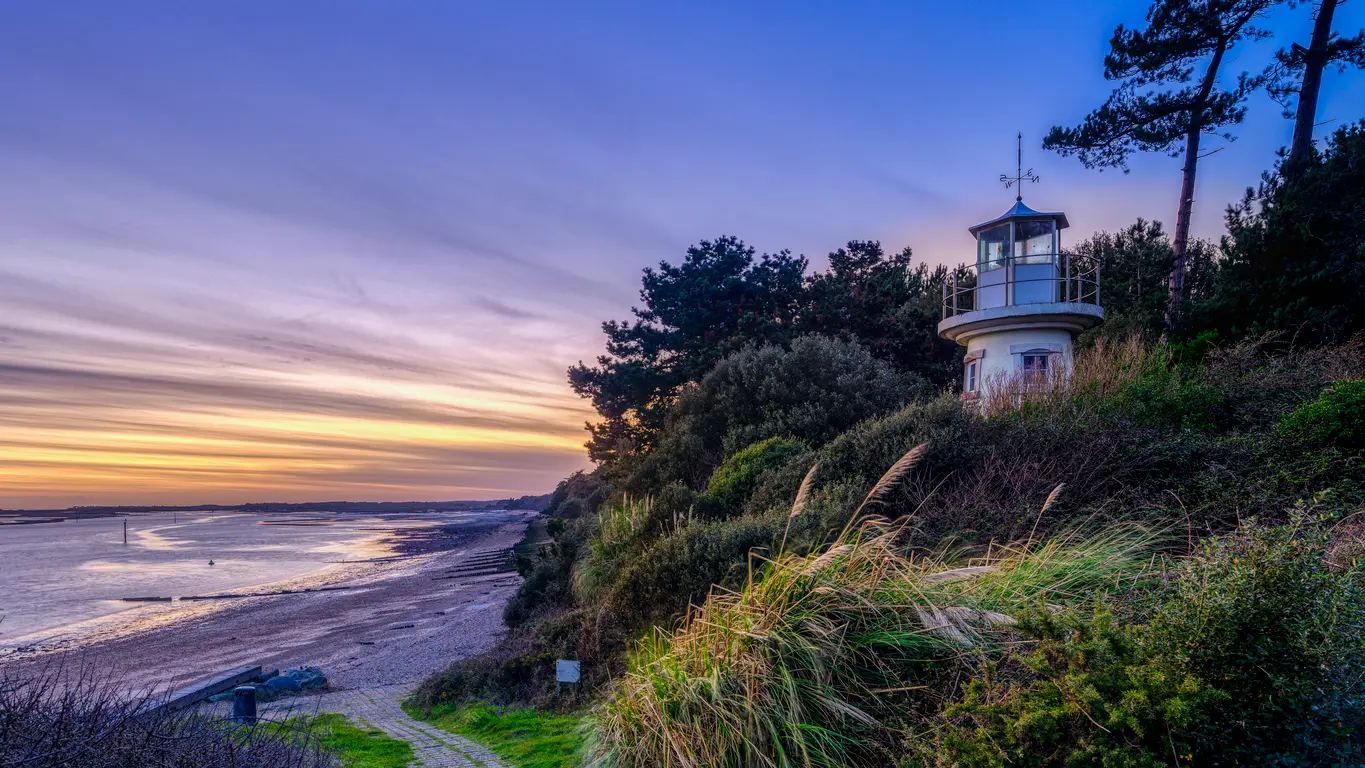
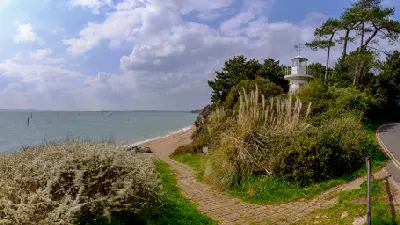
The Millennium Light Beacon overlooks Lepe Beach at sunset, as pastel colours illuminate the sky above the Solent in Hampshire.
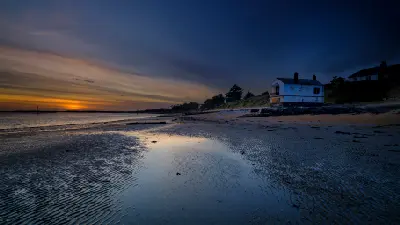
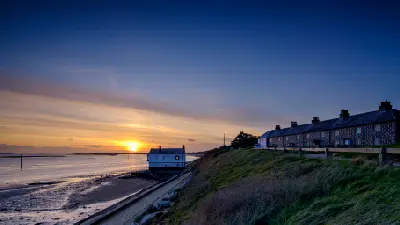
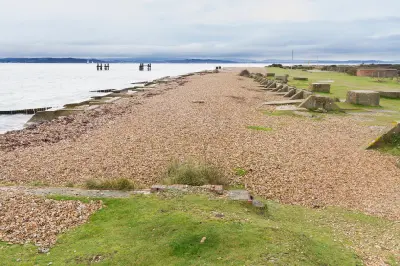
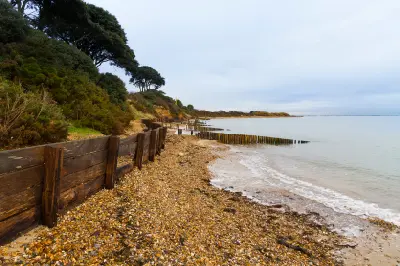
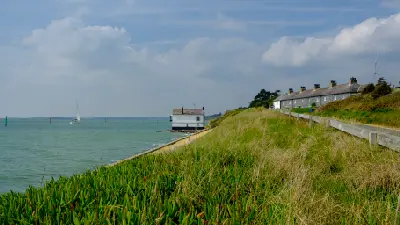
Lepe Country Park is a coastal landscape on the northern shore of the Solent in southern Hampshire, overlooking the Isle of Wight. Its shingle beaches, low coastal cliffs, pine-fringed grassland and surviving D-Day structures reflect both natural and maritime heritage. The open shoreline provides opportunities for atmospheric seascapes, coastal landscape and historic military photography.
50.78493, -1.35299
Gallery

Quick Facts
Access
Roadside / Step-out
0–5 min
Elevation Gain
0 m
Best Light
Low-angle sunlight reveals shoreline textures and historic structures, while overcast conditions soften contrast across the exposed coastal landscape.
Why This Light
Season
Year-Round Stable
Summer brings green coastal grassland, brighter sea colours and longer daylight hours across the Solent. Winter brings muted vegetation, rougher waters and low-angle sunlight that accentuates shoreline textures and historic structures.
Crowds
Busy Midday
Restrictions
Access is from the beachfront car park at Lepe Country Park, with immediate access to the shoreline. Established coastal paths lead towards the historic D-Day remains and surrounding grassland. Parking charges apply, but there is no separate admission fee. Some shoreline sections become restricted at high tide, and uneven surfaces occur around the historic structures.