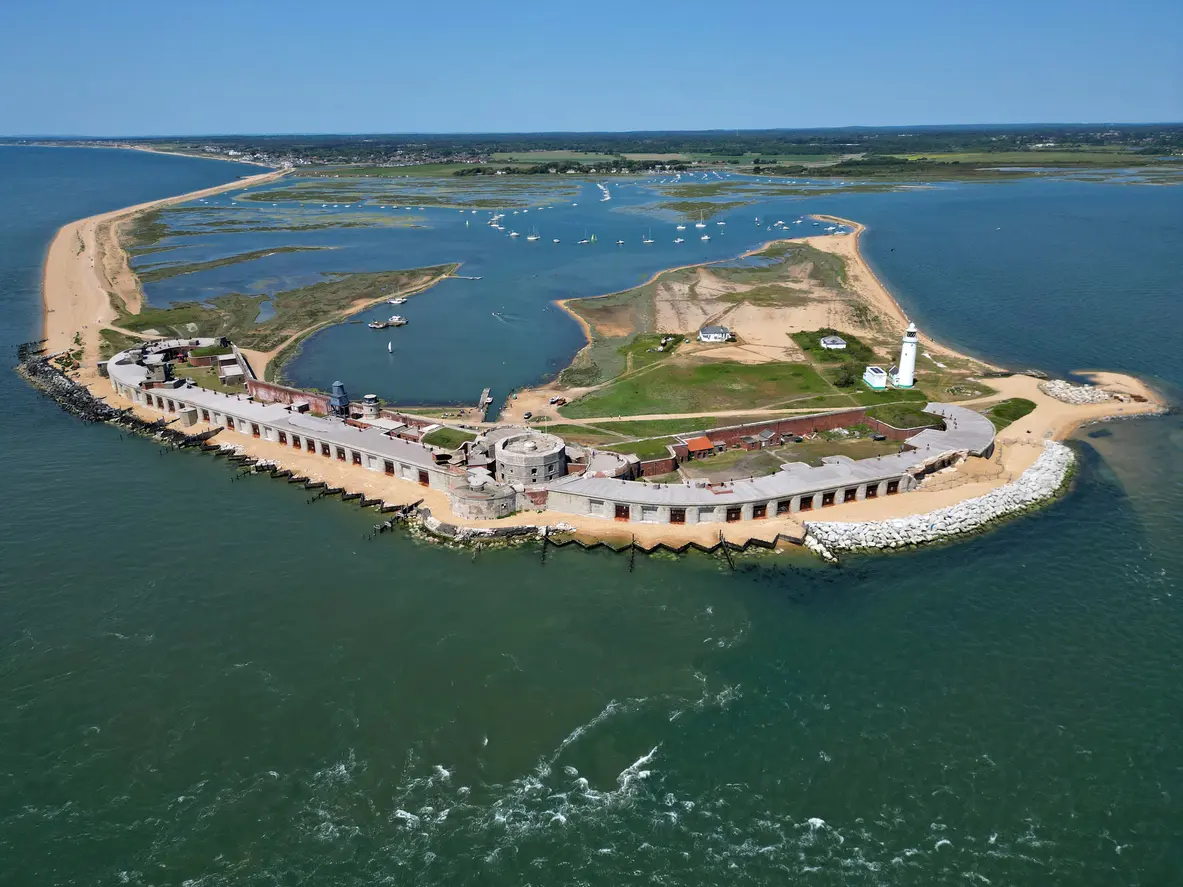
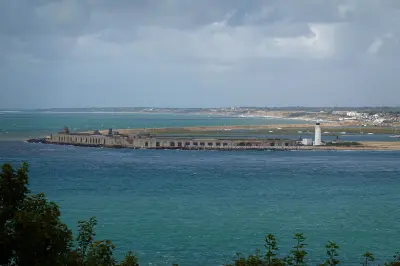
Aerial view of Hurst Castle and its lighthouse at the end of Hurst Spit, with Keyhaven's sheltered waters, saltmarshes and sailing boats stretching towards the Hampshire coast.
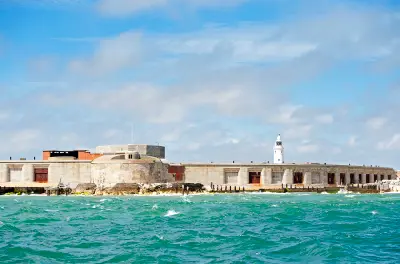
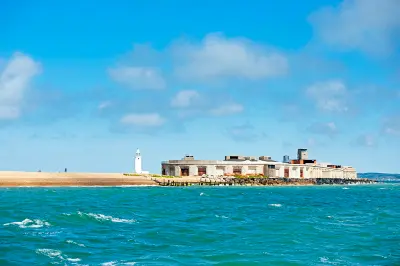
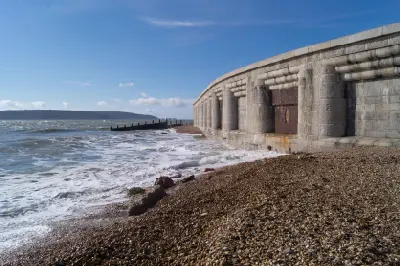
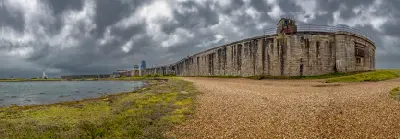
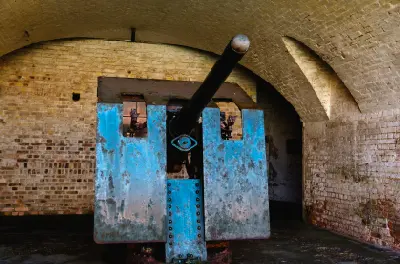
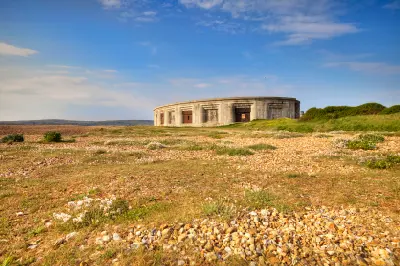
Hurst Castle is a coastal fortress situated at the end of a long shingle spit extending into the Solent near Milford-on-Sea in Hampshire. Built during the reign of Henry VIII, the castle features substantial defensive walls, later military fortifications and a nearby lighthouse. Its exposed coastal setting provides opportunities for architectural, maritime and minimalist landscape photography.
50.70688, -1.55002
Gallery
Quick Facts
Access
Moderate Hike
45–90 min
Elevation Gain
10 m
Best Light
Low-angle sunlight accentuates the fortress walls and shingle textures, while backlighting creates distinctive lighthouse silhouettes against the coastal sky.
Why This Light
Season
Year-Round Stable
Summer brings brighter coastal colours, flowering shingle vegetation and expansive views across the Solent. Winter brings muted shoreline tones, rougher seas and low-angle sunlight that accentuates the textures of the historic fortifications.
Crowds
Busy Midday
Restrictions
Access is via a 3.2 km walk along Hurst Spit from Milford-on-Sea or a seasonal passenger ferry from Keyhaven. The walking route is largely level but crosses loose shingle. Castle admission, ferry and parking charges apply. Exterior viewpoints are accessible on foot throughout the year, subject to coastal conditions, but the castle and ferry close during winter. Some castle sections remain closed for conservation work.