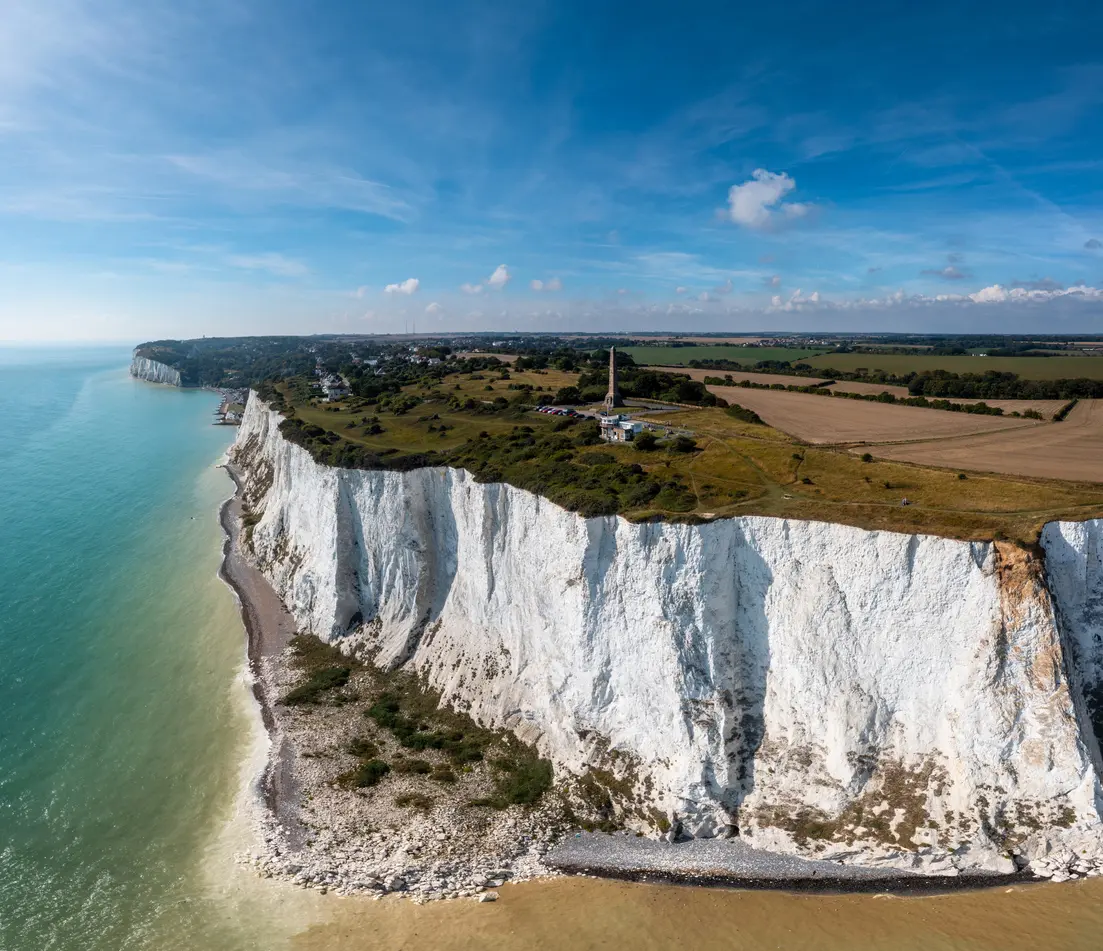
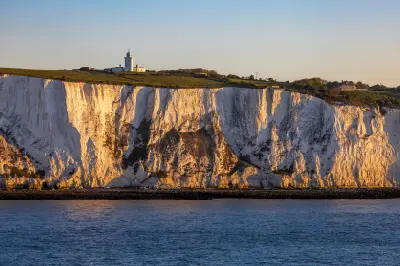
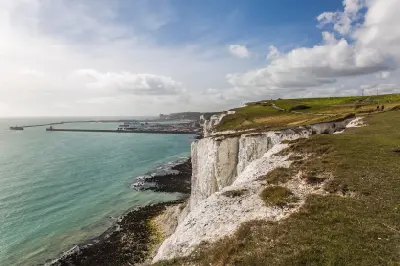
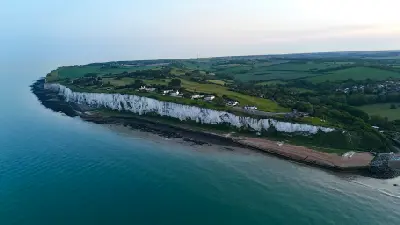
The towering White Cliffs of Dover stretch along the Kent coastline near St Margaret's Bay, with the Dover Patrol Memorial overlooking the English Channel.
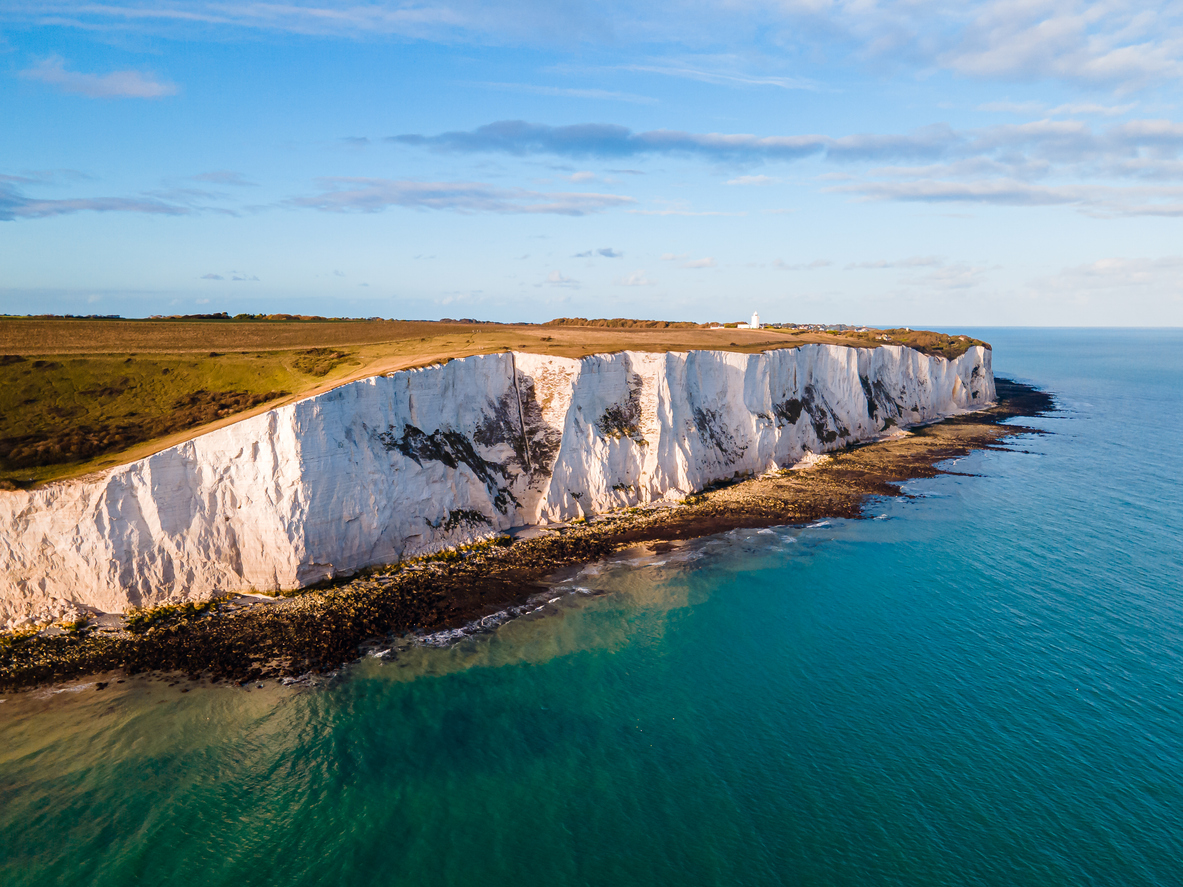
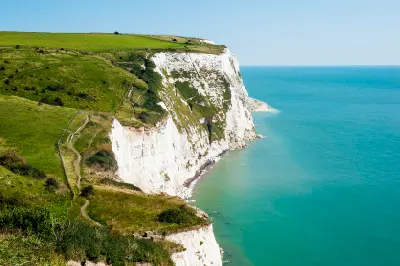
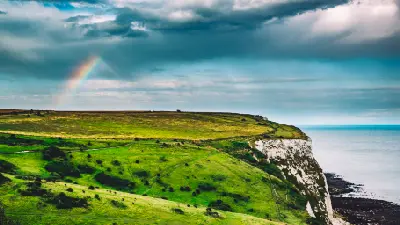
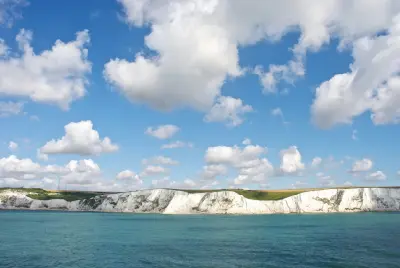
The White Cliffs of Dover are a prominent stretch of chalk coastline overlooking the Strait of Dover in southeastern Kent. Rising up to approximately 110 metres above the sea, the cliffs are characterised by sheer white rock faces, dark flint bands and open coastal grassland. Elevated viewpoints provide sweeping coastal compositions and expansive views across the English Channel.
51.13580, 1.36209
Gallery
Quick Facts
Access
Short Walk
5–15 min
Elevation Gain
25 m
Best Light
Early sunlight reveals chalk textures and coastal contours, while overcast conditions soften contrast between the white cliffs and darker sea.
Why This Light
Season
Year-Round Stable
Summer brings green coastal grassland, flowering chalk-downland plants and brighter sea colours. Winter brings muted vegetation, rougher seas and low-angle sunlight across the exposed chalk faces.
Crowds
Busy Midday
Restrictions
Access is from the National Trust car park at Langdon Cliffs, with a 400-metre inclined path leading to the principal viewpoint. Longer coastal paths extend towards Fan Bay and South Foreland Lighthouse. Parking charges apply, although pedestrian access to the cliffs is free. Vehicle access gates close at 7 pm. Keep well away from unstable and unprotected cliff edges.