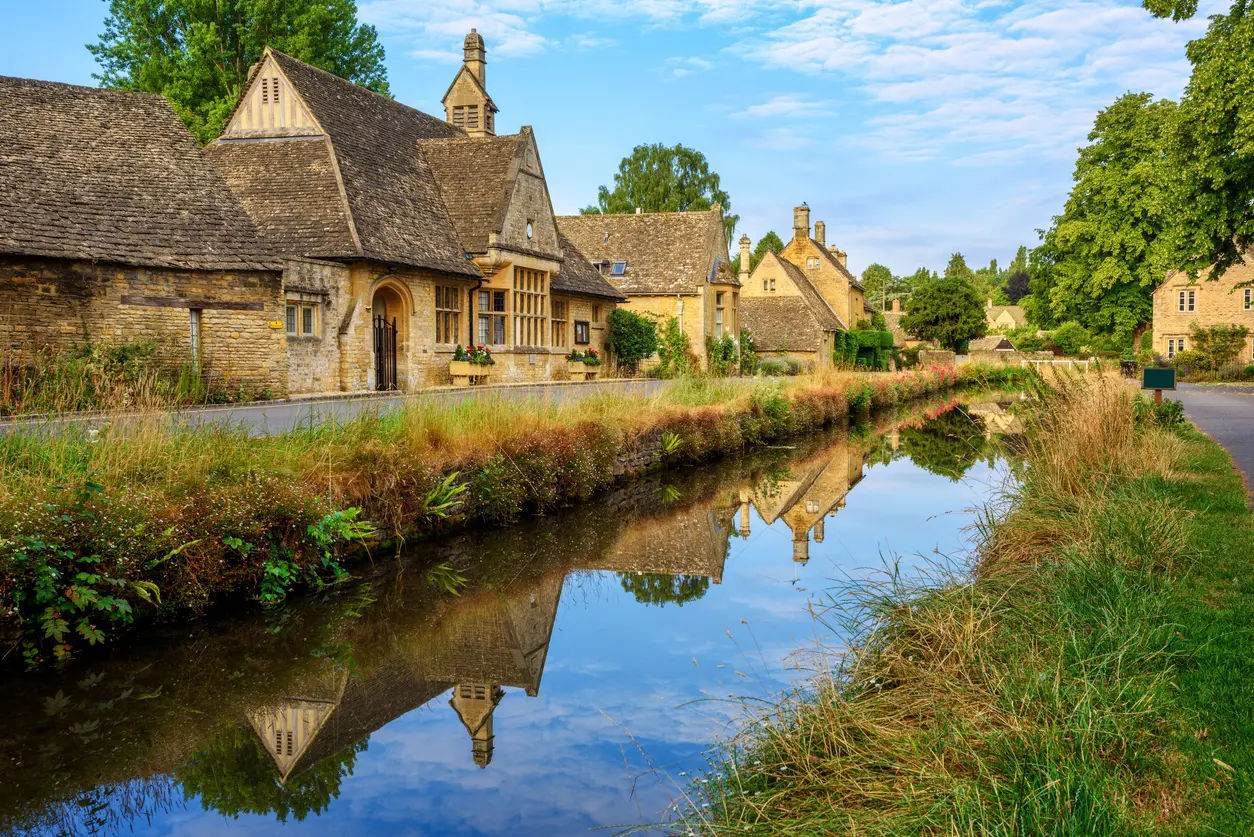
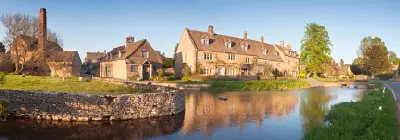
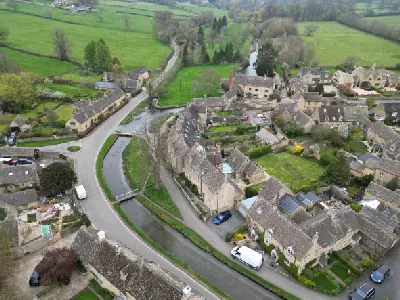
Historic Cotswold stone buildings reflected in the tranquil River Eye as it winds through the picturesque village of Lower Slaughter, Gloucestershire, England.
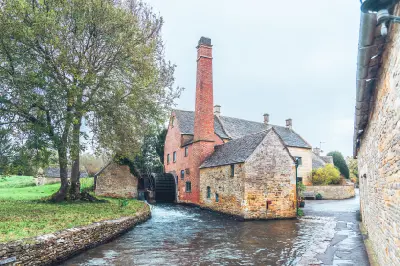
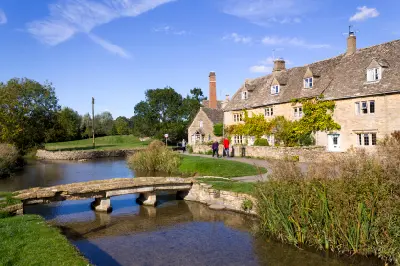
Lower Slaughter is a historic Cotswold village in Gloucestershire, where the River Eye flows through a compact settlement of honey-coloured limestone cottages, traditional stone footbridges and narrow village lanes. Its best-known landmark is the Old Mill, a former watermill with a distinctive red-brick chimney and waterwheel beside the river. The combination of gently flowing water, historic architecture and relatively enclosed village scenery provides opportunities for architectural and riverside photography, particularly during quiet morning hours.
51.89849, -1.76131
Gallery
Quick Facts
Access
Short Walk
5–15 min
Elevation Gain
0 m
Best Light
Soft light balances pale limestone and shaded riverbanks, while calm sections of the River Eye reflect the cottages, stone bridges and surrounding trees.
Why This Light
Season
Seasonally Distinct
Summer brings leafy trees, green riverbanks and flowering gardens around the limestone cottages, with longer daylight illuminating the village streets and footbridges. Winter reveals more of the historic buildings through bare vegetation, with occasional frost, muted garden colours and softer light across the River Eye.
Crowds
Busy Midday
Restrictions
Lower Slaughter is accessible on foot along public village roads and riverside paths, with the main photographic subjects concentrated around the River Eye, stone footbridges and Old Mill. Parking within the village is limited, and visitors should use lawful parking spaces without obstructing narrow lanes, residents' entrances or agricultural access. The village contains private homes and gardens, so photography should remain within public areas unless permission has been granted. Footbridges and riverside paths can become slippery during wet or icy weather. Access to the Old Mill's interior or private grounds is separate from photographing its exterior from public viewpoints.