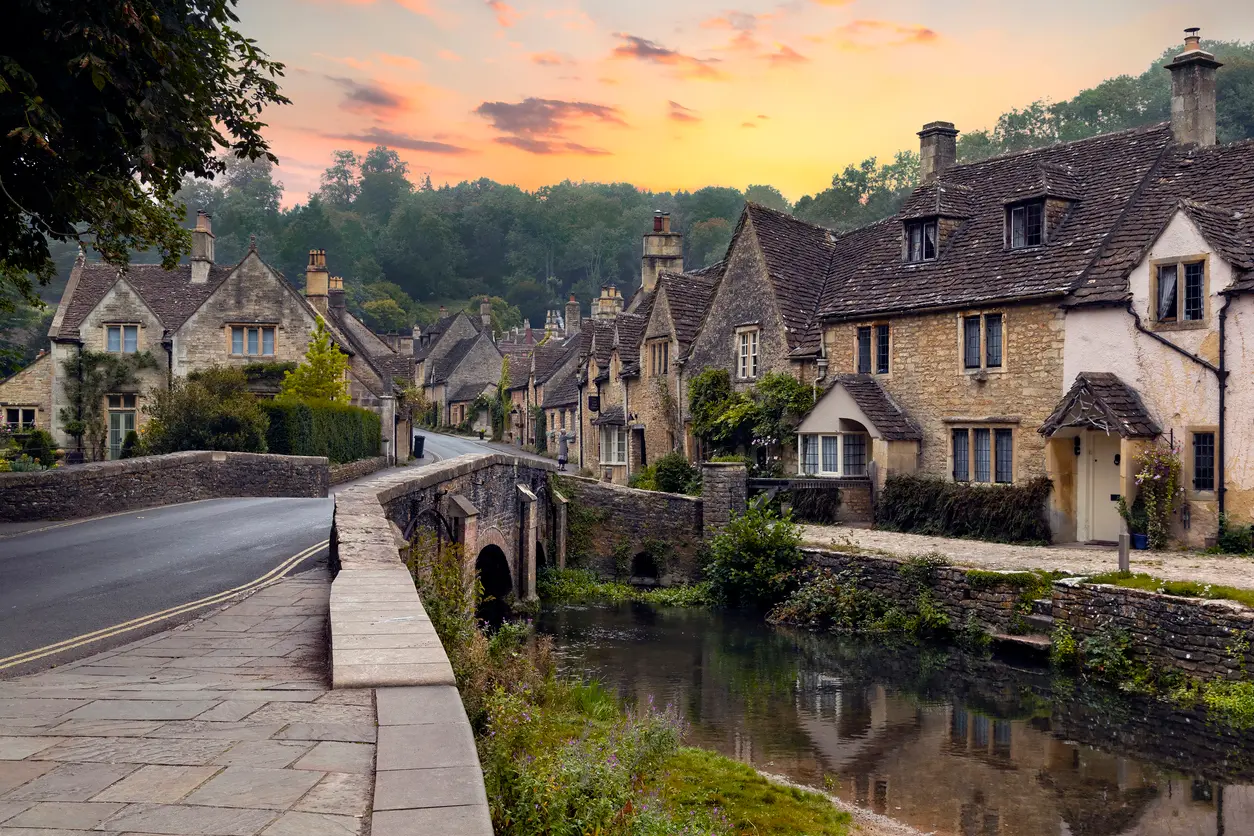
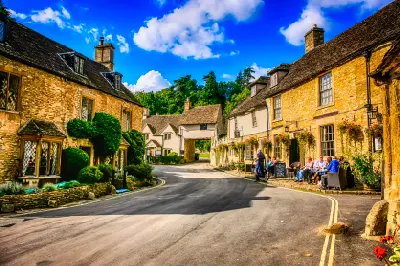
Cotswold stone cottages beside the By Brook, seen from the bridge at Castle Combe, Wiltshire, England.
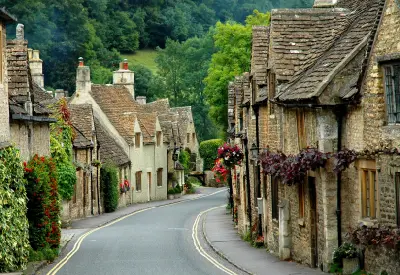
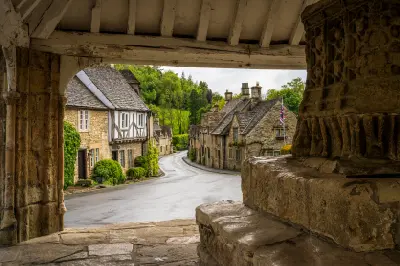
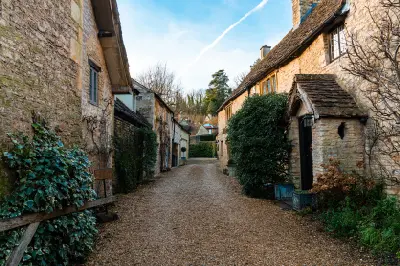
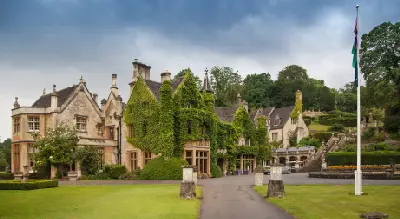
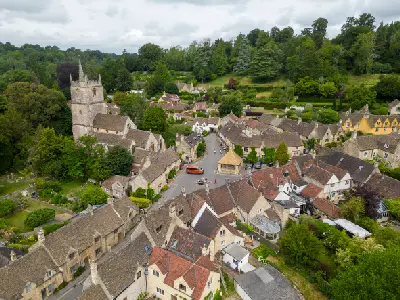
Castle Combe is a historic village in Wiltshire, on the southern edge of the Cotswolds, renowned for its honey-coloured limestone cottages, medieval architecture and picturesque riverside setting. Nestled in the By Brook valley, the village features a historic stone bridge, a medieval Market Cross and traditional streets that have retained much of their original character. Once an important centre of the medieval wool and cloth trade, Castle Combe is now a popular destination for visitors and photographers seeking quintessential English countryside scenery.
51.49337, -2.22897
Gallery
Quick Facts
Access
Short Walk
5–15 min
Best Light
Light works best in early morning or late afternoon because soft directional light enhances the warm limestone and reduces harsh shadows.
Why This Light
Season
Seasonally Distinct
Summer brings lush greenery, flowering gardens and longer daylight hours, although visitor numbers are higher. Winter offers quieter streets and softer, more subdued scenery, with bare trees and shorter daylight hours.
Crowds
Busy Midday
Restrictions
Use the designated visitor car park at Dunns Lane, as parking within the village is extremely limited. Access involves a steep walk downhill into the village, with narrow roads and limited pavements. Respect residents' privacy, remain on public paths and roads, and obtain permission for commercial photography or filming. Drone use is discouraged.